0%

Private Label Dental Instruments can help dental distributors build a distinct product range without developing every instrument from scratch. The opportunity sits within a substantial care market. The World Health Organization’s Global Oral Health Status Report (2022) estimates that oral diseases affect nearly 3.5 billion people worldwide. It also identifies untreated decay in permanent teeth as the most common oral health condition. These figures indicate broad, continuing need for dental care, though they do not guarantee demand for any particular product or brand.

Market data offers another useful signal. Grand View Research estimated the global dental equipment market at about USD 10.9 billion in 2023, with projected growth through 2030. This category is broader than hand instruments, so it should not be read as a direct forecast for private-label products. Still, it points to an active purchasing environment. For distributors, a private-label program may support clearer positioning, tailored assortments, and closer control over packaging and customer service. The details matter: a mirror handle should feel balanced, a scaler tip should match its stated design, and product records should remain traceable. Small gaps show up quickly in a clinic.

Branding alone is not a quality system. Buyers should assess material specifications, manufacturing consistency, inspection processes, and supplier communication before choosing a partner. Those checks take time. They are easy to underestimate. Private label can create value, but only when the product performs reliably and the commercial promises remain realistic.
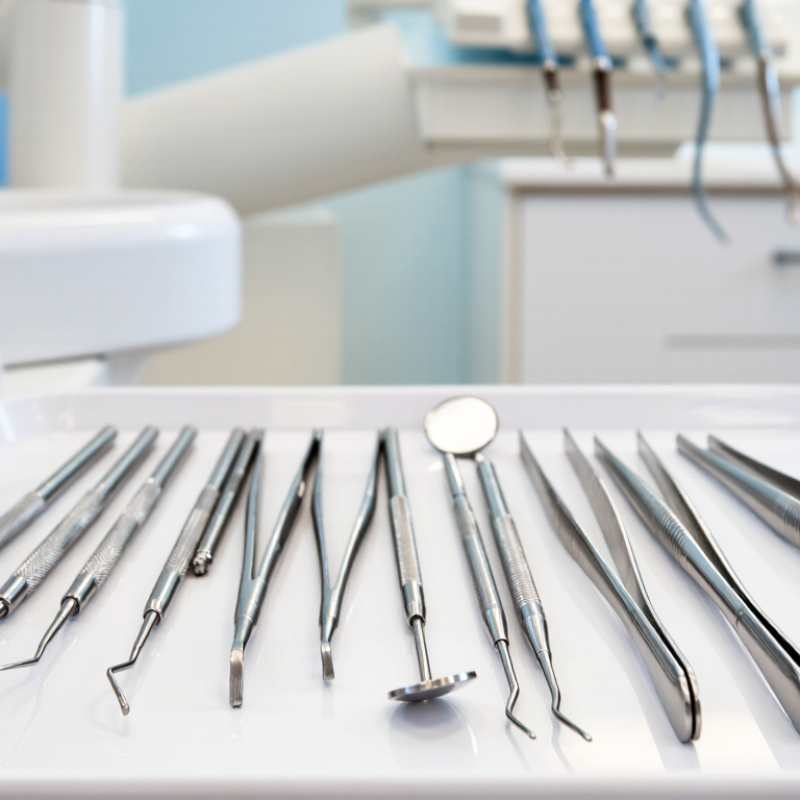
Why Choose Private Label Dental Instruments?

What Private Label Dental Instruments Are

Private label dental instruments are tools made by one manufacturer and sold under another company’s name. The company selling them may choose the product range, packaging, and label design. The instruments themselves are usually made to the manufacturer’s existing specifications. The term can sound more customized than it is.

A mirror handle, probe, or extraction instrument might carry a distributor’s label while sharing a standard design. Some suppliers offer choices in finish, handle texture, or packaging. Those options do not necessarily mean the instrument was designed from scratch. Details matter. Buyers should ask what can actually be changed and what remains fixed.

For a dental practice or distributor, evaluation should go beyond the label. Check the instrument’s intended use, material information, surface finish, and compatibility with the practice’s cleaning and sterilization procedures. Ask for product specifications and relevant quality records, then inspect a sample for balance, grip, and smooth edges. A photograph cannot show how a handle feels after repeated use. Nor does attractive packaging prove consistent manufacturing. Private labeling can make product lines easier to identify, but clear documentation and careful assessment remain essential.

How Private Label Manufacturing Works

Private label manufacturing begins with a product brief, not a logo. The buyer defines intended use, dimensions, materials, finish, packaging, and target price. A supplier then reviews feasibility and creates samples or prototypes. For a dental mirror, that can mean checking handle grip, head angle, and how securely the head attaches. Details matter.

Once the sample is approved, the supplier plans production, inspection, and packaging. Records should connect each batch to its material specifications and quality checks. Reusable instruments also need clear cleaning and sterilization instructions supported by appropriate testing. The buyer should agree on acceptance criteria before production, rather than relying on appearance alone.

The World Health Organization’s Global Oral Health Status Report (2022) estimates that oral diseases affect nearly 3.5 billion people worldwide.

That figure signals broad demand for oral care, but it does not guarantee demand for any particular instrument. Private label can simplify product ownership; it does not remove the need to verify samples, documents, and consistency between batches. One imperfect sample may reveal a real design issue—or just a rushed inspection. The distinction deserves a closer look.

Key Benefits for Dental Practices and Brands

Private-label dental instruments can help practices build a more consistent setup around the procedures they perform most often. A practice might choose a matched set of examination mirrors, probes, and forceps with familiar handle shapes. That can make tray preparation easier and reduce variation between treatment rooms. Small details matter. Still, a custom label alone does not improve clinical performance.

Practices should assess instrument balance, grip, finish, and compatibility with their cleaning and sterilization processes. Ask for material specifications, care instructions, and quality records before selecting a supplier. Test samples in routine work, then collect feedback from clinicians and sterilization staff. A handle that feels comfortable during one procedure may feel tiring across a full schedule. This part is easy to overlook.

For dental brands, private labeling can support a distinct product range and closer control over selection, packaging, and product information. It may also help businesses respond to specific customer preferences, such as compact kits or clearly identified instrument types. However, quality depends on more than a printed name. Reliable sourcing, incoming inspection, traceable documentation, and clear communication about limitations all matter. Stock planning can be imperfect, too; demand may shift faster than expected. Brands should review reorder patterns and user feedback regularly.

Quality and Regulatory Factors to Consider

Why Choose Private Label Dental Instruments?
Quality and Regulatory Factors to Consider

Private-label dental instruments can offer control over product selection, but the supplier’s quality practices deserve close attention. Examine the instrument itself: Are the edges smooth, the joints aligned, and the finish consistent under bright examination light? Small flaws can affect handling or cleaning. Ask what material specifications and inspection checks apply to each production batch. A sample is useful, but it cannot show whether every later batch will match. Check the details.

Regulatory readiness also depends on the instrument’s intended use and the markets where it will be supplied. Request relevant technical documentation, material information, risk assessments, and evidence supporting any cleaning or sterilization instructions. Requirements vary, so verify applicable expectations with qualified regulatory professionals rather than relying on a general checklist. Traceability matters: records should link a finished instrument to its production batch and inspection results. That connection matters.

A polished certificate alone is not enough. Review how nonconforming products are recorded, investigated, and corrected, and ask how changes to materials or manufacturing are communicated. If packaging carries instructions, check that they are clear and consistent with supporting evidence. These details take time to verify, and they are easy to underestimate. Even a careful review has limits; periodic supplier assessments and incoming inspections can help reveal problems that an initial sample missed.

How to Choose a Private Label Supplier

Choosing a private label dental instrument supplier starts with clear product requirements. Specify the instrument type, dimensions, material, finish, and intended use. Ask how the supplier checks these details during production, not only before shipment. Request sample instruments and inspect their balance, grip, joint movement, and surface finish. A smooth sample matters, but it does not prove every production batch will match.

Review the supplier’s quality records, material documentation, inspection process, and batch traceability. Ask how defects are recorded and how design or material changes are communicated. Confirm packaging options, minimum order quantities, lead times, and reorder procedures in writing. Clear answers help prevent surprises. If replies are vague, ask for examples or supporting documents. No checklist catches every issue; small details, such as inconsistent labeling, can still be overlooked.

Tips: Compare samples from more than one supplier. Keep your approved sample and written specifications for future checks. Ask who handles a quality concern and how quickly they respond. Be cautious of unusually low prices without a clear explanation. A dependable supplier should explain both what they can provide and where their process has limits.

FAQS

What should I inspect on a sample dental instrument?

Check the edges under bright light, then test the grip, balance, and joint movement. Small rough spots can be easy to miss.

Does an approved sample guarantee consistent production batches?

No. A sample shows one instrument, not every later batch. Keep it beside written specifications for comparison.

Which documents should I request from a supplier?

Request material details, inspection records, risk assessments, and supporting evidence for cleaning or sterilization instructions. Requirements vary by product and market.

How can I check batch traceability?

Ask whether records link each finished instrument to its production batch and inspection results. That link matters.

What should I ask about product defects?

Ask how defects are recorded, investigated, and corrected. Also confirm who handles concerns and how quickly they usually respond.

Why should manufacturing changes be reported?

Changes to materials or production may affect the instrument. Ask how the supplier communicates them, and request clear examples.

What should I confirm before placing an order?

Put packaging, minimum order quantities, lead times, and reorder procedures in writing. Vague replies deserve another question.

How can I compare potential suppliers fairly?

Compare samples from several suppliers and review their records. Be cautious of very low prices without a clear explanation. I might still overlook something.

Conclusion

Private Label Dental Instruments are dental tools produced by a manufacturer and offered under a practice’s or distributor’s own name. The process typically begins with selecting suitable instruments, materials, designs, and packaging, followed by production, inspection, and preparation for sale. This approach can help dental practices build a consistent product range, while distributors may have more flexibility in shaping their offerings and communicating with customers.

Before choosing this model, buyers should consider instrument performance, material quality, manufacturing consistency, and applicable regulatory requirements in their intended markets. Clear documentation and reliable quality controls are important for supporting safe, dependable use. When comparing suppliers, assess their production capabilities, inspection procedures, communication, lead times, and ability to meet relevant standards. A careful supplier choice can help create a practical product range that aligns with professional needs and supports long-term trust.

Oliver

Oliver

Oliver is a professional marketing specialist with a strong understanding of the company’s products, their practical applications, and the needs of the customers they serve. He combines product knowledge with clear, thoughtful communication, helping readers make sense of technical details and......