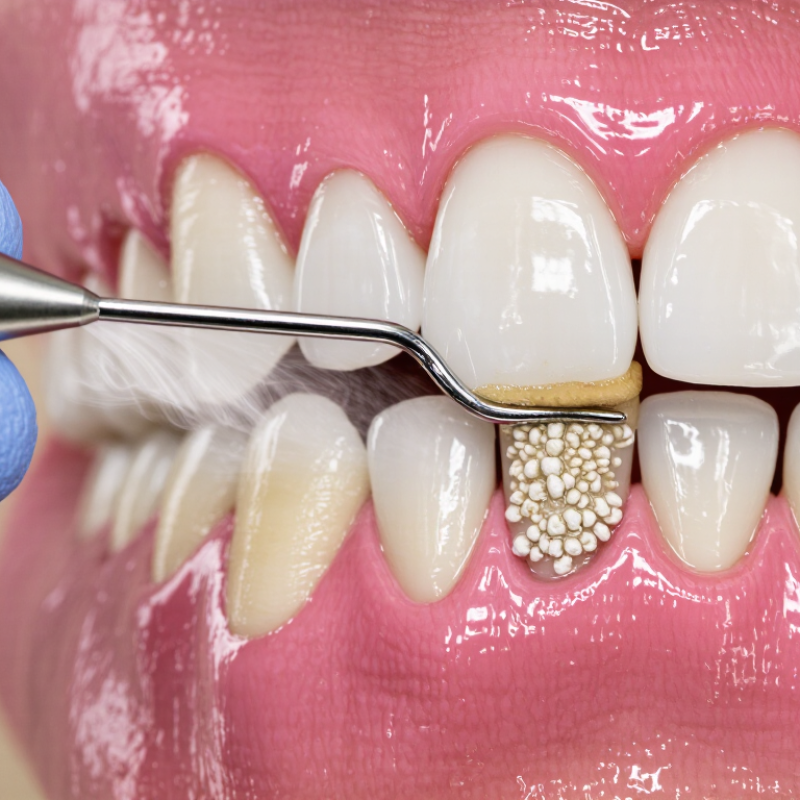
Dental Scalers are precision instruments used to remove plaque, tartar, and deposits from tooth surfaces. Unlike a toothbrush, a scaler reaches beneath the gumline and around tight areas. Its narrow tip can clean where bristles cannot. The process requires controlled pressure, steady hand movement, and a clear view of the tooth.
Periodontist Dr. Sally Cram offers a useful clinical reminder: “Brushing cannot remove hardened tartar; professional instruments are needed.” This distinction matters. Plaque feels soft and sticky, while calculus feels rough, like a small stone attached to enamel. Dental hygienists select manual or ultrasonic scalers according to deposit thickness, tooth shape, gum condition, and patient sensitivity.
Manual scalers scrape deposits with a shaped metal tip. Ultrasonic models use rapid vibrations and water irrigation. The vibration breaks apart calculus, while water helps cool the instrument and flush debris. It can sound sharp. It may also feel uncomfortable.
Still, scaling is not a simple scraping task. Excessive pressure can irritate delicate gum tissue or create unnecessary sensitivity. Technique matters more than force. This point is easy to underestimate. Even experienced professionals must adapt their approach for crowded teeth, deep pockets, restorations, or inflamed gums.
This guide will explain how Dental Scalers work, where each type is used, and why professional training remains essential. It will also examine common misunderstandings about home scaling. Some online advice sounds convincing, but safety should come before convenience. A polished smile is not worth damaging healthy enamel or gum tissue.
Definition and Purpose of Dental Scalers
What Are Dental Scalers and How Do They Work?
Dental scalers are professional instruments used to remove hardened deposits from tooth surfaces. These deposits, called calculus or tartar, cannot be brushed away once they form. A scaler helps clean areas around the gumline, between teeth, and beneath swollen gum edges. Dental professionals may use a hand scaler or an ultrasonic scaler. Hand instruments gently lift deposits with controlled pressure. Ultrasonic devices use fine vibrations and water to break up buildup and cool the working tip.
The purpose is more than creating a smoother smile. Removing calculus can reduce places where harmful bacteria collect. It may also support healthier gums and make daily brushing more effective. During treatment, you might notice water spray, light vibration, or a sharp scraping sound. Mild sensitivity can occur, especially when gums have pulled back. However, scaling should be performed by a trained dental professional after examining your teeth and gums. Home scraping seems simple, but it can injure soft tissue or scratch enamel. That risk is easy to underestimate.
Tips: Brush twice daily with a soft-bristled toothbrush, and clean between teeth every day. Do not use household tools as dental scalers. Tell your dental professional about sensitivity, bleeding, or recent dental work. A practical detail matters: pause and ask questions if treatment feels unexpectedly painful. Some discomfort is manageable, but pain should not be ignored.
What Are Dental Scalers and How Do They Work?
Dental scalers remove plaque, calculus, and deposits from tooth surfaces. Powered scalers use rapid vibrations to disrupt deposits, while hand scalers rely on controlled manual strokes.
Typical operating frequency ranges: Sonic scalers generally operate at about 3–8 kHz, magnetostrictive ultrasonic scalers at about 18–30 kHz, and piezoelectric ultrasonic scalers at about 25–50 kHz. Higher frequency does not automatically indicate better performance; the clinical result also depends on tip movement, water cooling, pressure, and technique.
Types of Dental Scalers and Their Main Features
Dental scalers remove plaque, calculus, and deposits from tooth surfaces. They work through controlled mechanical contact. Hand scalers use a sharp, rigid tip, while powered scalers create rapid vibrations. Technique still matters.
Sickle scalers have pointed tips and are suited to removing deposits above the gumline. Their narrow design reaches grooves and tight contacts, but incorrect pressure may damage soft tissue. Curettes have rounded toes and curved blades. They are designed for root surfaces and deeper periodontal pockets. Universal curettes handle several surfaces, while area-specific curettes offer better adaptation.
Powered scalers provide another approach. Magnetostrictive units create elliptical tip movement, while piezoelectric units produce more linear vibrations. Both can disrupt hardened calculus efficiently, with water cooling reducing heat and flushing debris. Air-powered scalers are generally less common in modern clinical practice. They can support deposit removal, but their cutting power varies.
The World Health Organization’s Global Oral Health Status Report (2022) estimates that oral diseases affect nearly 3.5 billion people worldwide. The report also identifies severe periodontal disease as affecting about one billion people. In the United States, CDC data report periodontal disease in roughly 47% of adults aged 30 years and older. These figures explain why scaler selection matters. However, a scaler cannot replace diagnosis, visibility, or patient-specific planning. That part is easy to underestimate. In clinical use, excessive force, poor angulation, or inadequate water flow can reduce comfort and effectiveness. Professional training remains essential, especially around restorations, implants, and sensitive root surfaces.
How Dental Scalers Remove Plaque and Tartar
Dental scalers are instruments used to remove plaque and tartar from tooth surfaces. Plaque is a soft, sticky film containing bacteria. When it remains undisturbed, minerals in saliva can harden it into tartar, also called calculus. A toothbrush cannot remove established tartar effectively.
Manual scalers use a small, carefully shaped tip to lift deposits from enamel and along the gumline. The clinician applies controlled pressure and short, precise movements. Ultrasonic scalers work differently. Their vibrating tips break apart hardened deposits, while a steady water spray cools the instrument and washes away loosened particles. The water also reduces heat and improves visibility during treatment. It can feel surprisingly powerful.
Professional training matters.
During a cleaning, dental professionals check the gumline, tooth anatomy, and deposit hardness before selecting an instrument. They avoid forcing the scaler because excessive pressure may irritate gums or scratch exposed root surfaces. Even experienced clinicians must slow down around crowded teeth, fillings, and sensitive areas. It is tempting to think scraping harder means cleaning better, but that assumption is flawed. Home scraping can cause bleeding, damage, or push deposits deeper under the gums. A qualified professional can also notice swelling, gum pockets, or persistent bleeding that a routine cleaning may reveal.
Professional Uses and Safety Considerations
Dental scalers are instruments used to remove plaque and hardened tartar from tooth surfaces. Hand scalers use a shaped metal tip and controlled wrist movements. Ultrasonic scalers use fine vibrations and water irrigation. Their purpose is not simply making teeth feel smooth. They help clean areas that brushing and flossing cannot reach, especially below the gumline.
Dental hygienists use scalers during professional cleanings and periodontal maintenance. They assess deposits by sight, touch, and dental imaging when needed. A clinician adjusts pressure, angle, and water flow for each tooth. Sensitive roots require extra care. The instrument should follow the tooth’s natural shape, not scrape randomly across it. Small details matter.
Safety comes before speed. Untrained home scaling can injure gums, scratch enamel, or push deposits deeper. It may also hide bleeding, swelling, or infection that needs professional evaluation. Patients with braces, implants, bleeding disorders, or gum disease need individualized advice. Protective eyewear, sterilized instruments, and proper suction reduce clinical risks. Ultrasonic devices may create heat without adequate water, so continuous cooling is essential. I used to think harder pressure meant better cleaning, but that assumption is flawed. Even professionals can miss narrow grooves or overwork a sensitive area. Ask about the instrument, the treatment plan, and any discomfort during the appointment. Pain is information, not an inconvenience.
Dental Scalers Compared With Routine Home Care
What Are Dental Scalers and How Do They Work?
Dental scalers remove hardened calculus from tooth surfaces. Hand instruments scrape deposits with controlled pressure. Ultrasonic scalers use rapid vibrations and water to break deposits apart. Dental professionals also clear buildup near gumlines, where toothbrush bristles cannot reach safely. Home users should not copy this technique. Sharp instruments can damage enamel, gums, or dental restorations.
Compared with routine home care, scaling serves a different purpose. Brushing twice daily with fluoride toothpaste disrupts soft plaque before it hardens. Daily interdental cleaning reaches narrow spaces between teeth. However, home care cannot reliably remove established calculus. The Centers for Disease Control and Prevention reports that about 46% of U.S. adults aged 30 or older show gum disease signs, based on National Health and Nutrition Examination Survey data. The figure is uncomfortable.
Regular prevention still matters.
The World Health Organization’s Global Oral Health Status Report estimates that oral diseases affect nearly 3.5 billion people worldwide. That number includes untreated decay, gum disease, and other conditions. Professional cleaning may reduce irritating deposits, but it does not replace daily habits. A rushed brushing routine can leave plaque around molars and behind lower front teeth. Even careful patients miss areas. Dental teams typically assess bleeding, pocket depth, and deposit location before choosing hand or ultrasonic scaling. Frequency varies with risk, gum health, smoking exposure, dry mouth, and previous calculus buildup. Some recommendations deserve personal review, not blind repetition.
Conclusion
Dental Scalers are specialized instruments designed to remove plaque, tartar, and other deposits from tooth surfaces, especially in areas that are difficult to clean with a toothbrush or floss. They may be manual or powered, with different shapes and working tips suited to various parts of the mouth. By applying controlled pressure and careful movements, these tools break away hardened buildup without unnecessarily damaging the teeth or gums.
In professional dental care, Dental Scalers help improve oral hygiene, support gum health, and prepare teeth for further examination or treatment. Because improper use can cause scratches, gum injury, sensitivity, or infection, they should generally be handled by trained dental professionals. Unlike routine home care, which focuses on preventing buildup through brushing, flossing, and regular cleaning, scaling removes deposits that have already hardened. Professional evaluation remains important for determining when scaling is appropriate and ensuring that it is performed safely.