
Choosing Surgical Scissors in 2026 means matching an instrument to the task, the user, and the setting. A pair that feels balanced during a brief procedure may cause fatigue during repeated, precise cuts. Blade length, tip shape, edge design, and handle size all affect control. Small details matter.
This guide explains how to compare common patterns, including straight and curved blades, blunt and sharp tips, and different cutting edges. It also considers materials, joint action, grip comfort, and compatibility with the facility’s cleaning and sterilization processes. Check the manufacturer’s specifications rather than assuming every stainless-steel instrument tolerates the same cycle. Confirm intended use, too. A fine tip may improve access in a confined area, but it can be less suitable for heavier tissue or broader cutting tasks.
Price alone is a poor measure of value. Consider durability, repair options, instrument tracking, and the availability of service documentation. Ask experienced users to handle candidate scissors, and notice whether the blades meet smoothly without excessive pressure. It sounds obvious. Yet this check is sometimes skipped. No checklist can replace clinical training or local protocols, and product claims deserve careful review. Even a well-made instrument may not suit every hand or procedure. The aim here is a practical, evidence-aware framework for evaluating options—not a universal recommendation. Use it to ask better questions before selection, purchasing, and routine inspection.
Understanding the Role of Surgical Scissors in Clinical Practice
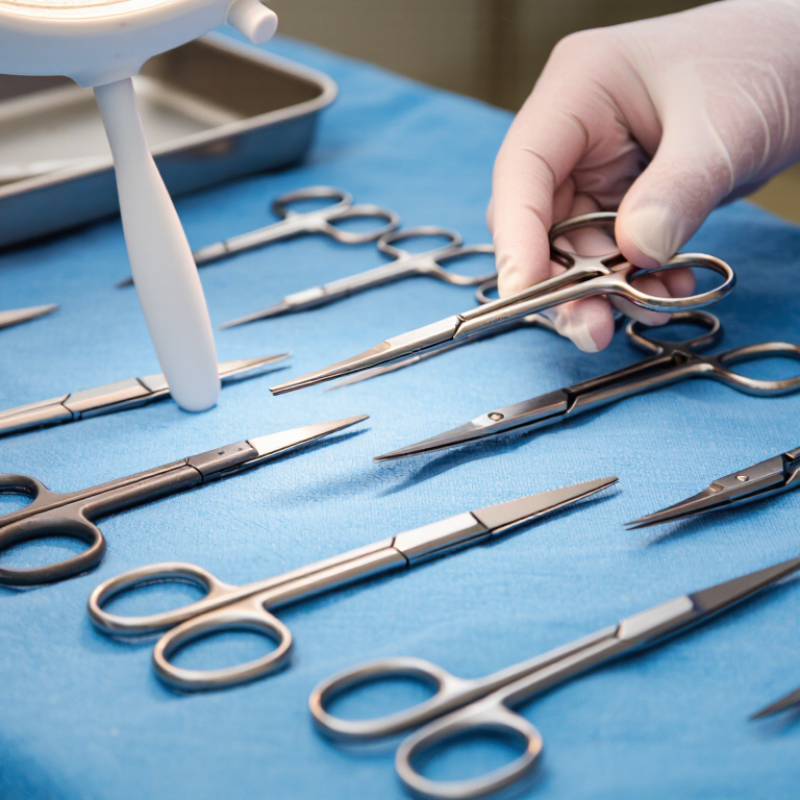
In clinical practice, surgical scissors are precision instruments, and their role changes with the tissue and procedure. Fine, sharp-pointed patterns may support delicate dissection, while sturdier scissors are intended for tougher material. Blunt tips can reduce the chance of catching nearby tissue during certain tasks. Small distinctions matter. The right choice depends on the clinician’s training and the procedure, not appearance alone.
Selection also involves length, curvature, balance, and how the handles feel through a glove. A tool that feels awkward during a short inspection may become tiring during prolonged use. It is easy to focus on the blades and overlook grip comfort; that is a real oversight. Reusable instruments must be compatible with the facility’s validated cleaning and sterilization process. Single-use devices should be used and discarded according to their instructions and local policy.
Before use, staff should check that the blades meet evenly, move smoothly, and show no visible damage or corrosion. A loose joint or nicked edge can impair control, so questionable instruments should be removed from service and assessed under facility protocol. These checks do not replace clinical judgment. They help keep the instrument suited to its task and ready for the demands of the operating room.
How to Choose Surgical Scissors in 2026 - Understanding the Role of Surgical Scissors in Clinical Practice
| Scissor type | Typical design | Common clinical role | Selection considerations | Use notes |
|---|---|---|---|---|
| Mayo scissors | Relatively sturdy blades; straight or curved patterns are commonly available. | Cutting tougher tissue or surgical materials, depending on the pattern and local practice. | Choose blade length and curve according to access, tissue, and the intended task. | Do not assume a general-purpose instrument is appropriate for every tissue or material. |
| Metzenbaum scissors | Longer shanks with comparatively delicate blades; straight and curved patterns are available. | Blunt or sharp dissection and cutting of delicate soft tissue. | Match blade delicacy and working length to the tissue and operative field. | Generally not intended for cutting sutures or other hard materials, which may damage the edges. |
| Iris scissors | Small, fine blades, usually available with straight or curved tips. | Fine dissection and precise cutting in small or superficial operative fields. | Consider the required precision, visibility, and working distance. | Use only where the small blade size and fine control suit the procedure. |
| Tenotomy scissors | Fine, narrow blades designed for controlled work in confined areas. | Delicate dissection in specialized procedures, including selected ophthalmic or tendon-related work. | Confirm the tip style, blade size, and specialty-specific requirements. | Specialty use requires appropriate training and adherence to the procedure’s protocol. |
| Suture scissors | Often have a notch or a blade shape designed to help engage suture material. | Cutting sutures during closure or removal, as appropriate to the instrument and setting. | Choose a pattern that provides suitable access and control for the suture and site. | Keep dedicated suture-cutting instruments separate from delicate tissue scissors when required by local practice. |
| Bandage scissors | Blunt, often angled lower tip intended to help pass beneath dressings. | Cutting dressings, bandages, or clothing in clinical care. | Select a size and handle that allow safe access without pulling on the dressing or skin. | Not a substitute for fine surgical scissors used for tissue dissection. |
| Blunt-tipped dissection scissors | Rounded tips intended to reduce the risk of accidental puncture during suitable blunt dissection. | Separating tissue planes where blunt dissection is appropriate. | Assess visibility, access, tissue characteristics, and the clinician’s preferred technique. | A blunt tip does not eliminate the risk of tissue injury; use controlled technique. |
Selection should be based on the procedure, tissue type, access, clinician training, and facility protocols. Confirm that instruments are appropriate for the intended use and follow the manufacturer’s instructions and local requirements for inspection, cleaning, sterilization, and maintenance.
FAQS
Match blade shape and strength to the tissue, access, and task. Appearance alone is not enough.
Straight blades support direct cuts in visible areas. Curved blades may improve access around deeper contours. Neither is always safer.
Sharp tips can support precise entry through tougher tissue. Blunt tips may reduce catching or puncturing nearby tissue during some tasks.
Fine, lightweight scissors suit controlled work on delicate tissue. Heavier designs are intended for tougher material. Do not force a fine tip.
Finger rings should feel stable through a glove. An awkward grip can become tiring during longer use. I used to overlook this.
Check smooth movement, even blade contact, and visible damage or corrosion. Remove questionable instruments under facility protocol. Small check, important.
Use task-specific scissors as intended. Keeping them separate can help preserve cutting edges and reduce unintended use.
Reusable instruments must follow validated cleaning and sterilization processes. Use and discard single-use devices according to instructions and local policy.
Conclusion
Choosing Surgical Scissors in 2026 begins with understanding how they support precise, controlled work across clinical settings. Different procedures and tissues call for different scissor types, blade shapes, and cutting functions, so selection should reflect the task rather than rely on a one-size-fits-all option. Consider how the scissors feel in hand, whether their materials suit the intended use, and whether they can withstand the required cleaning and sterilization processes.
A practical choice also accounts for user comfort, safe handling, and dependable performance over time. Before selecting a pair, check its construction, quality indicators, and compatibility with established clinical practices. Proper inspection, cleaning, and care can help maintain function and reduce avoidable wear. By weighing procedure needs, tissue type, ergonomics, sterilization compatibility, and long-term maintenance, users can make a thoughtful, informed choice.