
0%

Single Use Disposable Medical Instruments are medical tools designed for one procedure or one patient use, followed by disposal according to the product instructions. Examples may include forceps, scalpels, syringes, and certain examination tools. Some arrive sterile in sealed packaging; others may have different handling requirements. The label and accompanying instructions matter. A familiar shape does not tell you whether an instrument is single-use.

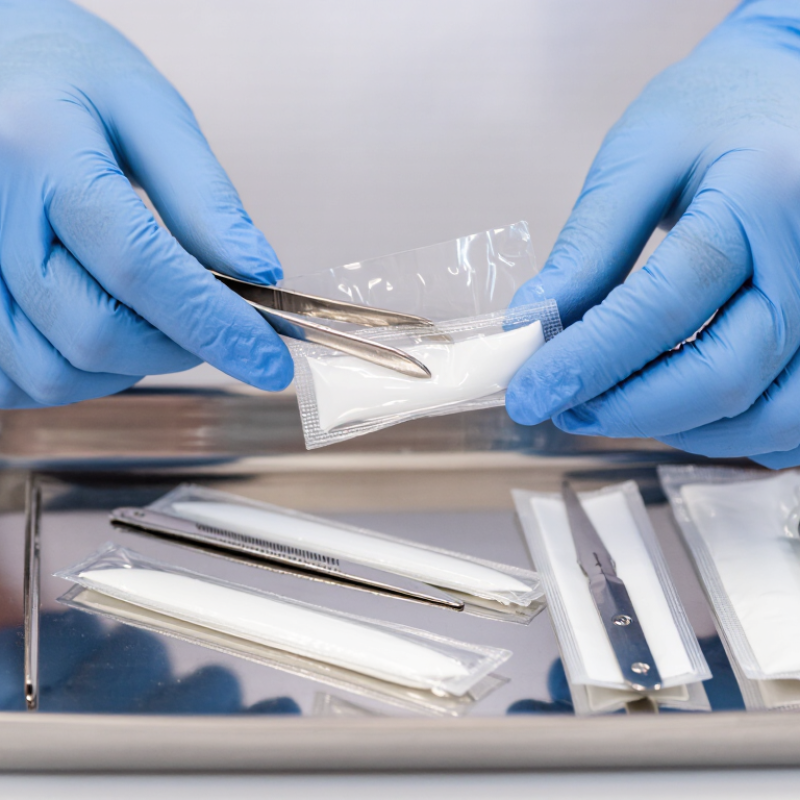
In a clinical setting, a nurse might open a packaged instrument beside a prepared tray, check its name and condition, and use it for the intended task. Afterward, staff follow the facility’s procedures for disposal. This approach can reduce the need to clean and process reusable tools, but it does not remove the need for careful handling, training, or waste management. Convenience is only part of the picture. Cost, packaging, material use, and supply reliability also deserve attention.

The distinction is not always obvious. Some instruments look similar across disposable and reusable versions, and product claims should be checked against manufacturer documentation and relevant professional guidance. “Single use” should not be treated as a casual suggestion or inferred from appearance. It describes the intended use of a specific product. Understanding that detail helps clinicians, buyers, and patients discuss safety with greater precision, while recognizing that no instrument replaces sound clinical judgment.
What Are Single Use Disposable Medical Instruments?

Definition and Key Features of Single-Use Medical Instruments

What Are Single Use Disposable Medical Instruments?

Definition and Key Features of Single-Use Medical Instruments

Single-use medical instruments are designed for one use, or for one patient during a defined procedure, as specified by their labeling. Examples include certain forceps, scalpels, and examination tools. After use, they are discarded rather than cleaned and prepared for another procedure. That distinction matters.

Many are supplied in sealed packaging, and some are sterile. Staff should check the package, labeling, and expiration information before use. A torn seal or unclear label is a reason to pause and follow the facility’s established procedures. The instrument’s shape and material are selected for its intended task, such as gripping tissue or making a controlled incision.

Single-use design can reduce the need for cleaning and reprocessing between patients, but it does not remove the need for careful handling. Users still need to inspect the instrument and use it according to its instructions. Disposal also follows the facility’s procedures and the type of waste involved. The category is not perfectly uniform; details vary by instrument, so checking the labeling is a practical habit.

Common Types and Their Clinical Applications

Single-use disposable medical instruments are designed for one patient encounter or procedure, then discarded. When selected and used correctly, they can reduce reprocessing demands and help limit cross-contamination. Common examples serve different clinical tasks. Sterile syringes and needles deliver medication or collect samples; clinicians select sizes suited to the route and patient. Disposable scalpels make controlled incisions, while forceps grasp dressings or tissue. Vaginal speculums support examinations and sample collection. Biopsy punches remove small skin samples for laboratory assessment, and suction catheters help clear secretions when clinically indicated.

The right instrument depends on the procedure, patient, and manufacturer’s instructions. A disposable label alone does not guarantee suitability for every task. In a busy room, that detail can be easy to miss. Staff should also consider visibility, grip, and access: a small instrument may be difficult to handle with gloves, especially during delicate work. Clinical judgment still matters.

Tips: Before use, check that sterile packaging is intact and confirm the instrument matches the intended procedure. Use it only as directed, and discard it after use according to the facility’s procedures. If packaging is damaged or the instrument looks defective, set it aside and choose an appropriate replacement.

Materials, Design, and Manufacturing Standards

Single-use disposable medical instruments are designed for one procedure or patient, then discarded according to established handling procedures. Their materials must suit the instrument’s intended contact, strength, and sterilization needs. Common choices include medical-grade polymers and stainless steel. Material selection is not a shortcut: a polymer that works for a handle may not withstand repeated bending in a working tip. Small details matter. A smooth grip, secure connection, and clearly visible markings can help reduce handling errors.

Manufacturing standards support consistent quality from incoming materials to finished packaging. Quality systems should define controlled production steps, inspection criteria, and traceability for relevant components and batches. Sterilization processes need validation for the specific device and packaging configuration. Biocompatibility, package integrity, and shelf-life performance also require appropriate evaluation. These checks reduce avoidable variation, but no process removes every risk. A design that looks simple may still be difficult to inspect or assemble consistently.

Tips: Check whether the instrument’s material, intended use, and sterilization method are compatible. Look for clear labeling and intact packaging. If a part feels loose or the package is damaged, do not assume it is ready for use; follow your facility’s procedures.

How Disposable Instruments Are Used in Healthcare

What Are Single Use Disposable Medical Instruments?
How Disposable Instruments Are Used in Healthcare

Single-use disposable medical instruments are designed for one patient or one procedure, then discarded. In healthcare settings, staff may use them during wound care, examinations, minor procedures, or sample collection. Examples include forceps, scalpels, and certain suction devices. The exact instrument depends on the task and the patient’s needs.

Before use, a clinician checks the package for damage, the expiry date, and any instructions about sterility. A sealed pack is opened close to the procedure, often on a clean tray beside gloves, gauze, and other supplies. Small details matter. If packaging is wet or torn, staff should follow facility procedures rather than assume the instrument is safe. Instruments labeled sterile must remain protected until needed.

After the procedure, used items are placed in the appropriate waste container according to their type and local facility protocols. Staff should not reuse an instrument labeled for single use, even if it looks clean. That can be awkward when supplies are limited, but appearance cannot confirm that an item is free of contamination or still functions as intended. Disposable instruments can simplify preparation and reduce the need for reprocessing, though they also create waste. Clinicians balance convenience, patient safety, and responsible disposal during everyday care.

What Are Single Use Disposable Medical Instruments? - How Disposable Instruments Are Used in Healthcare
Instrument or Category Typical Healthcare Use Common Materials Supply Condition After-Use Handling
Disposable syringe Measures and administers medication or other prescribed fluids. Often polypropylene for the barrel and plunger components; the needle, when included, is typically stainless steel. Commonly supplied sterile and individually packaged. Check the package and product labeling before use. Discard immediately after use in an appropriate sharps container if a needle is attached. Follow local waste rules.
Hypodermic needle Used with a compatible syringe for injections, or for other clinical procedures specified by its labeling. Typically stainless steel, with a plastic hub. Generally supplied sterile in protective packaging. Place in a suitable sharps container after use. Do not recap, bend, or break unless an approved procedure specifically requires it.
Examination gloves Help reduce hand contact with blood, body fluids, and other potentially infectious materials during patient care. Common materials include nitrile, natural rubber latex, and vinyl. Usually supplied clean and non-sterile; sterile gloves are available for procedures that require them. Remove after the task, discard appropriately, and perform hand hygiene. Gloves do not replace hand hygiene.
Disposable surgical gown Provides a barrier for staff during procedures where protective clothing is required. Often made from nonwoven synthetic materials, such as polypropylene-based fabrics. May be sterile or non-sterile, depending on the intended use and product labeling. Discard after use according to facility infection-prevention and waste procedures.
Disposable scalpel Creates an incision in clinical or surgical settings when indicated by the procedure. Typically a stainless-steel blade with a plastic handle, or a single-piece design. Commonly supplied sterile and individually packaged. Discard the complete device in a sharps container; do not leave an exposed blade on a work surface.
Single-use forceps Grasps or holds tissue, dressings, or other materials during a procedure, depending on the design. May be made from molded plastic or metal; material varies by instrument and intended use. May be supplied sterile or non-sterile. Confirm the product labeling for the specific device. Discard after the procedure in accordance with the facility’s waste-handling policy.
Disposable suction catheter Removes secretions or fluids from a patient’s airway or another specified site using compatible suction equipment. Often made from flexible medical-grade polymers, such as PVC or other plastics. Commonly supplied sterile and intended for use on one patient as directed by its labeling. Discard after use according to infection-control and clinical waste procedures.
Single-use specimen collection device Collects or transfers a patient specimen for testing, depending on the device type. Commonly includes plastic components; some devices may include glass or other materials. May be sterile or non-sterile depending on the specimen and intended application. Handle and discard as directed by the specimen-handling protocol and applicable biohazard waste rules.
Key considerations Single-use instruments are designed and labeled for use on one patient or during one procedure, as specified by the manufacturer. Materials and construction vary by device and intended purpose. Inspect packaging, sterility status, expiry information, and instructions before use. Do not reuse or reprocess a device labeled for single use unless permitted under applicable regulations and an authorized reprocessing process.

Safety, Packaging, and Post-Use Disposal

Single-use disposable medical instruments are intended for one procedure or patient, then removed from service. Their packaging helps protect cleanliness and, for sterile items, maintain the sterile barrier until use. Check the package before opening. Look for tears, damp spots, broken seals, or expired dates. A damaged package is not worth a hurried guess; set it aside and follow workplace procedure. Open instruments only when needed, using clean handling practices and the manufacturer’s instructions.

After use, assess the instrument and its contamination risk. Put needles and other sharps directly into an approved sharps container; never leave them on a tray or recap them by hand. Other used items belong in the waste stream specified by your facility’s policy. Requirements can vary with the material and how it was used, so avoid assuming that every disposable instrument goes into the same bin. If the packaging or disposal route is unclear, ask a supervisor rather than improvising.

Tips: Keep disposal containers within easy reach, but away from clean supplies. Close them at the marked fill line, and report damaged packaging or near-misses promptly. Small checks matter.

Single-Use Medical Instruments: Post-Use Waste Context

Healthcare waste is estimated to be about 85% non-hazardous and 15% hazardous. This provides disposal context; it is not a measurement of single-use instruments specifically.

Safety and disposal: Whether an instrument is hazardous depends on contamination and local rules—not simply on whether it is single-use. Segregate sharps and potentially infectious waste in suitable containers, and follow facility procedures and applicable regulations.

Source: World Health Organization, Health-care waste.

FAQS

What does “single-use” mean for a medical instrument?

It is intended for one patient encounter or procedure, then discarded under facility procedures. It is not designed for reuse.

Which clinical tasks can disposable instruments support?

Syringes and needles can deliver medication or collect samples. Scalpels make incisions, while forceps handle dressings or tissue. Speculums, biopsy punches, and suction catheters have specific clinical uses.

How should staff choose an instrument?

Match it to the procedure, patient, and instructions. Check its size, visibility, grip, and access, especially when wearing gloves. A disposable label is not enough.

What should be checked before use?

Inspect the sterile package for damage, then confirm the instrument suits the intended procedure. If the package is damaged or the instrument looks defective, set it aside. Follow facility procedures.

Which materials are commonly used?

Medical-grade polymers and stainless steel are common options. Materials should suit the intended contact, strength, and sterilization needs. A material that works for a handle may not suit a working tip.

Why do manufacturing controls matter?

Controlled production, inspections, and component or batch traceability help support consistent quality. Sterilization needs validation for the device and packaging. Checks cannot remove every risk.

What packaging and shelf-life details matter?

Package integrity and shelf-life performance need appropriate evaluation. Clear labeling helps staff check intended use. If a connection feels loose, pause.

Can one disposable instrument suit every procedure?

No. Suitability depends on the task, patient, and instructions. Even a small instrument can be awkward to grip with gloves. Judgment still matters.

Conclusion

Single Use Disposable Medical Instruments are designed for one patient or one procedure and then discarded, helping reduce the risk of cross-contamination and avoiding the need for reprocessing. They include a wide range of tools, such as examination, wound-care, and minor procedural instruments, each selected according to its intended clinical use. Their design balances practical handling, appropriate strength, and patient safety, while materials and manufacturing processes are chosen to support consistent quality and cleanliness.

In healthcare settings, staff select the appropriate instrument, check its packaging and condition, and use it according to established clinical procedures. Sterile products remain protected until opened, and packaging helps identify and preserve their intended status. After use, instruments are handled and discarded through the facility’s designated waste procedures. Clear instructions, careful storage, and proper post-use disposal help make disposable instruments a reliable part of patient care.

Evelyn

Evelyn

Evelyn is a professional marketing specialist with a strong understanding of the company’s products, services, and the needs of the customers they support. She regularly contributes expert articles to the company website, translating product knowledge and industry insights into clear, practical......