Featured Surgical Trays & Precision Systems
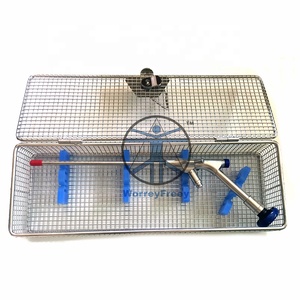
Explore our CE-certified sterilization containers, perforated mesh cassettes, micro-scissors, and specialty procedure tray configurations manufactured under ISO 13485 guidelines.
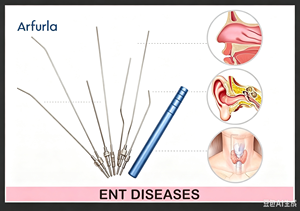
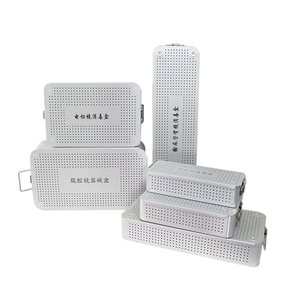
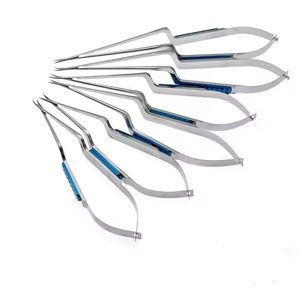
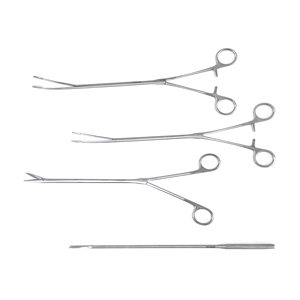
Executive Technical Whitepaper: Advanced Surgical Tray Systems & Engineering Standards
Modern hospital Central Sterile Supply Departments (CSSD) and ambulatory surgical centers (ASCs) require more than simple storage units; they demand engineered infection-control ecosystems. As a premier original equipment manufacturer (OEM) based in the world-renowned surgical manufacturing hub of Sialkot, Pakistan, DR MIRZA Medical Instruments merges decades of clinical oversight with metallurgical precision to solve global procurement challenges.
The operational integrity of a surgical kit relies directly on the interplay between metallurgical passivation, sterilant fluid dynamics, and protective fixing silicone geometries. Below is an exhaustive breakdown of the technical standards governing modern medical tray design and global procurement strategy.
1. Material Metallurgy & Passivation Protocols for Autoclave Longevity
Selecting the appropriate alloy grade for surgical tray sets determines structural integrity over thousands of steam autoclave or hydrogen peroxide plasma sterilization cycles. Standard commercial steels degrade under aggressive chemical wash protocols; therefore, precise metallurgical selection is non-negotiable:
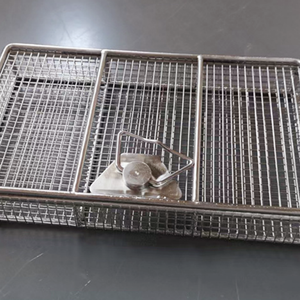
- AISI 316L (UNS S31603) Austenitic Stainless Steel: Containing 16-18% Chromium, 10-14% Nickel, and 2-3% Molybdenum, AISI 316L provides superior resistance to pitting corrosion in chloride-rich biological fluids and enzymatic detergent solutions. It serves as the primary material for heavy-duty wire mesh baskets and deep-drawn sterilization containers.
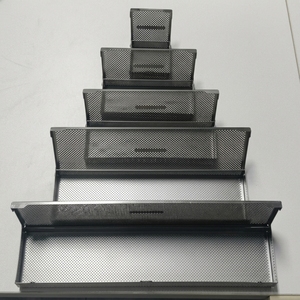
- AISI 304 (UNS S30400) Stainless Steel: Offering exceptional tensile strength and formability, grade 304 is ideal for perforated outer cassettes, lid structures, and stackable storage organizers where high structural rigidity is paramount.
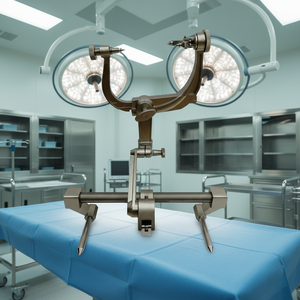
- Anodized Aluminum Alloy 6061-T6 / 5052-H32: Used extensively in neurosurgical skull clamp trays, orthopedic spine endoscopic boxes, and lightweight transport containers. The hard-coat anodized layer (Type III) forms an oxide coating exceeding 25 microns, protecting against thermal distortion and chemical abrasion.
ASTM A967 Chemical Passivation Standards: To prevent surface iron contamination during CNC stamping and laser welding, all DR MIRZA trays undergo automated nitric or citric acid passivation. This process extracts free iron atoms from the surface layer, promoting the instantaneous formation of a passive, self-healing Chromium Oxide (Cr₂O₃) layer that guarantees lifetime resistance against micro-rust and pitting corrosion.
2. Sterilization Fluid Dynamics & Hydrodynamic Airflow Optimization
According to European Standard EN 285 and international standard ISO 11607, sterilization trays must allow complete steam evacuation, condensate drainage, and rapid drying without leaving wet packs (a primary cause of post-sterilization bioburden contamination).
| Tray Architecture | Perforation Ratio (%) | Steam Circulation Speed | Drying Efficiency | Primary Clinical Application |
|---|---|---|---|---|
| Perforated Sheet Metal Cassette | 35% – 45% Perforated Pattern | High Velocity Flow | Optimal (Under 15 Mins) | General Surgery, Hysterectomy Sets, Dental Cassettes |
| Fine-Wire Mesh Basket (Stackable) | 70% – 85% Open Mesh Area | Unrestricted 360° Penetration | Superior (Under 10 Mins) | Micro-Neurosurgery, VATS Forceps, Bulk Decontamination |
| Solid Container with Filter Lid | Top/Bottom PTFE Filter Vents | Controlled Pressure Differential | Regulated Condensate Trap | Rigid Scope Kits, Spine Endoscopes, Specialized Implants |
The incorporation of silicone positioning inserts (ISO 10993 compliant) inside our custom trays ensures zero direct metal-to-metal contact during ultrasonic washing. This eliminates micro-abrasions on delicate tungsten carbide jaws, delicate micro-scissors tips, and endoscopic optics, extending instrument shelf life by up to 300%.
3. Strategic Future Procurement Trends in Surgical Tray Systems (2025–2030)
Procurement directors and hospital supply chain managers must stay ahead of emerging technological trends. The global market for surgical tray sets and sterilization containers is evolving rapidly around four key vectors:
- 1. Smart UDI & RFID Digital Traceability: Regulations by the US FDA and EU MDR mandate Unique Device Identification (UDI) down to the instrument and tray level. Next-generation tray sets feature embedded laser-etched DataMatrix codes and high-temperature RFID chips capable of enduring 1,000+ steam cycles, enabling automated CSSD inventory tracking.
- 2. Transition from Blue Wrap to Closed Rigid Container Systems: To reduce disposable polypropylene wrap waste and lower long-term operating costs, healthcare systems are standardizing on reusable aluminum and stainless steel rigid sterilization boxes equipped with permanent PTFE microbial barrier filters.
- 3. Procedure-Specific Modular Standardization: Hospitals are moving away from generic large instrument trays to procedure-tailored kit configurations (e.g., dedicated VATS thoracoscopic sets, spine endoscope 6.3mm trays, and micro-neurosurgery cassettes). This modularity reduces perioperative setup time and lowers missing instrument rates in the operating room.
- 4. Light-Weighting and Ergonomic Load Balance: With stricter Occupational Safety and Health Administration (OSHA) weight limits for manual tray lifting (typically capping loaded trays at 25 lbs / 11.3 kg), suppliers are utilizing hybrid polymer-metal tray structures featuring medical-grade Radel® PPSU lids and lightweight titanium frame reinforcement.
4. Enterprise Capabilities: Why DR MIRZA Is the Preferred OEM Supplier
Founded by Dr. Inam ul Haq Mirza, a practicing physician who recognized the critical necessity of clinical-grade instrument ergonomics, DR MIRZA Medical Instruments bridges medical insight with industrial manufacturing mastery in Sialkot, Pakistan.
ISO 13485 & CE Compliance
Fully certified quality management systems tailored for Class I and Class II medical device manufacturing, meeting EU MDR 2017/745 requirements.
Vertical OEM Kitting
From raw material forging and CNC milling to custom silicone molding, laser engraving, and custom box branding under one roof.
Export Infrastructure
Serving healthcare institutions and B2B distributors across 120+ countries with complete certificates of origin, material test reports, and export compliance.
Frequently Asked Questions (FAQ) for B2B Buyers & CSSD Managers
Partner with a Premier Sialkot Surgical Supplier
Elevate your medical device catalog or hospital supply chain with CE-certified, ISO 13485 surgical tray sets, custom sterilization boxes, and micro-instruments built for lifetime performance.