
Featured CE Certified Tungsten Carbide Forceps & Inserts
Explore our premium medical-grade tungsten carbide forceps, electrosurgical instruments, and precision wire cutters manufactured in compliance with international health standards.
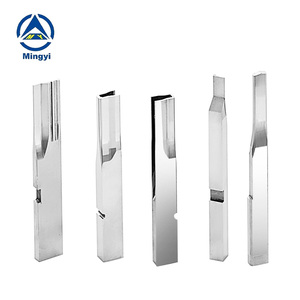
Tungsten Carbide Punch With High Impact Resistance - Custom Sizes & Shapes Available
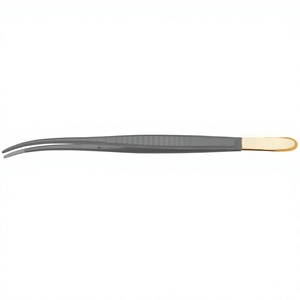
Maxwell Insulated Onyx Forceps 9″ (23 cm) 4000 Jaw – Tungsten Carbide Monopolar Coagulation Forceps for Breast & Neck Surgery
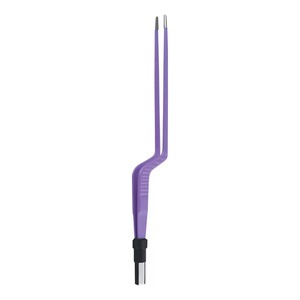
Bayonet 20cm European Bipolar Forceps (Tungsten Carbide) Electrosurgery Electrocautery
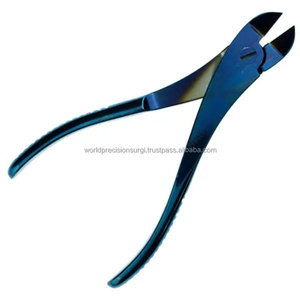
WPS 7 Inch Tungsten Carbide Manual Orthopedic Surgical Wire Cutter TC Jaws Hard Wire Cutting Forceps Medical Instrument
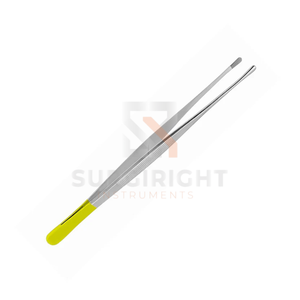
TC Wangensteen Tissue Forceps Stainless Steel Tungsten Carbide Surgical Tissue Grasping Forceps by SurgiRight
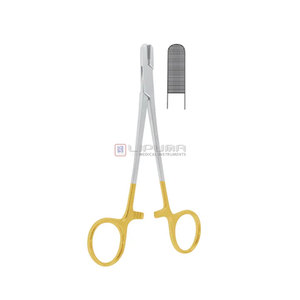
Niro TC Wire Twisting Forceps 15cm Medic Instruments Surgical Dental High Quality Stainless Steel Tungsten Carbide
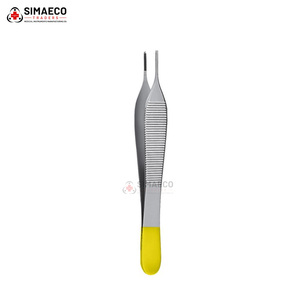
MICRO-ADSON TC Forceps Tungsten Carbide Stainless Steel Reusable Surgical Instrument OEM Private Label
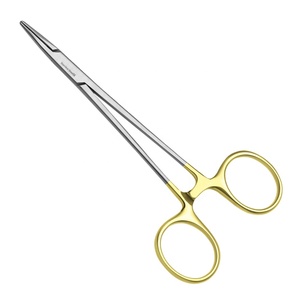
SIGAL MEDCO Fishing Plier Lock Straight Tungsten Carbide Tip Micro Needle Forceps 410 Japanese Stainless Steel Silver Finish
1. The Metallurgical Science of Tungsten Carbide (TC) Surgical Forceps
In modern operative surgery, surgical forceps are subjected to extreme repetitive mechanical stresses, high-friction grasping requirements, and relentless chemical exposure during thermal steam sterilization (autoclaving). Standard stainless steel forceps, while malleable and ductile, often suffer from jaw tip deformation, teeth rounding, and structural fatigue after repeated clinical usage. To overcome these metallurgical limitations, leading surgical instrument manufacturers integrate high-density Tungsten Carbide (WC-Co) inlays into the working tip surfaces of forceps, needle holders, and cutters.
Information Gain Insight: Tungsten Carbide (WC) exhibits a Vickers Hardness Rating (HV) exceeding 1500 to 1800 HV, compared to standard AISI 410/420 surgical stainless steel which yields approximately 400 to 500 HV. This five-fold increase in surface hardness extends the functional operational lifespan of surgical forceps by up to 600% under high-volume operating room conditions.
A. Microstructure and Vacuum Sintering Technology
The manufacturing process of medical-grade tungsten carbide inserts requires exact control over carbide grain geometry and cobalt binder distribution. Premium TC forceps utilize ultra-fine submicron tungsten carbide powders combined with a 6% to 10% cobalt (Co) matrix. This balance ensures maximum hardness while preserving sufficient fracture toughness to prevent micro-chipping during high-force orthopedic wire cutting or delicate tissue fixation.
Under strict ISO 13485 quality protocols, the tungsten carbide inserts undergo high-temperature Vacuum HIP (Hot Isostatic Pressing) sintering at temperatures exceeding 1,400°C. Vacuum sintering eliminates micro-porosity within the carbide matrix, resulting in a theoretical density approaching 99.9%. For surgical procurement officers, this translates to smooth, non-porous forceps tips that eliminate microscopic harbors for bio-burden, blood proteins, and pathogens.
B. Precision Vacuum Silver-Brazing and Gold-Plated Identification
Integrating a ultra-hard TC insert into a flexible AISI 410/420 or Japanese 410 stainless steel shank requires sophisticated metallurgical joinery. DR MIRZA employs specialized silver-copper (Ag-Cu) atomic diffusion brazing inside controlled atmosphere furnaces. This furnace-brazing method creates a seamless molecular bond between the stainless steel substrate and the TC insert, ensuring zero risk of tip detachment during critical operative procedures.
In accordance with international clinical standards, all TC-reinforced forceps feature gold-plated handles or ring bows (achieved via durable titanium-gold PVD coating or electroplating). This universal color coding allows surgical theatre nurses and central sterile services department (CSSD) technicians to instantly distinguish high-durability tungsten carbide instruments from standard stainless steel inventory.
Micro-Pyramid Jaw Serrations
Precision CNC-milled pyramid serrations (ranging from 0.2mm to 0.5mm tooth pitch) offer non-slip grip on delicate vasculature and tissues without causing traumatic tissue necrosis.
Electrosurgical Insulation Integrity
Bipolar and Monopolar TC Forceps (such as Maxwell Insulated Onyx Forceps) utilize thick nylon or ceramic dielectric coatings rated up to 4000V to prevent accidental thermal tissue damage.
Passivation & Corrosion Resistance
All instruments undergo chemical nitric/citric acid passivation according to ASTM F983 standards, forming a continuous chromium-oxide passive layer against rust and pitting.
2. Key Innovations Driving the Future of TC Surgical Forceps Manufacturing
The global market for tungsten carbide surgical instruments is undergoing rapid evolution driven by advances in minimally invasive surgery (MIS), robotic surgery assistance, and stringent infection control directives. Modern healthcare institutions are demanding longer instrument lifespans, customized jaw geometries, and total traceability.
A. Robotic Laser Welding & Micro-Machining
Traditional manual torch-brazing of TC inserts is increasingly replaced by automated robotic laser welding systems. Laser welding provides localized heat input, minimizing heat-affected zones (HAZ) in the stainless steel shank. This preserves the tempered spring tension of forceps arms—such as in Micro-Adson, Wangensteen, and Bayonet configurations—preventing arm deformation and jaw alignment drift over thousands of sterilization cycles.
B. Physical Vapor Deposition (PVD) Hard Coatings
Beyond traditional tungsten carbide inlays, next-generation forceps incorporate PVD (Physical Vapor Deposition) ceramic coatings such as Titanium Nitride (TiN), Titanium Aluminum Nitride (TiAlN), and Onyx Chromium Coatings. These sub-micron ceramic coats reduce surface friction, provide non-glare matte finishes under intense surgical illumination, and offer enhanced electrical insulation for electro-cautery procedures.
Technical Specification Matrix: Standard Steel vs. Premium TC Forceps
| Material Parameter | Standard Stainless Steel (AISI 410/420) | Tungsten Carbide (WC-Co Insert) | DR MIRZA Enhanced PVD-TC Series |
|---|---|---|---|
| Surface Hardness (Vickers) | 400 - 520 HV | 1500 - 1800 HV | 1800 - 2200 HV |
| Rockwell Hardness (HRC) | 42 - 48 HRC | 68 - 72 HRC | 75+ HRC Equivalent |
| Jaw Wear Resistance | Baseline (1x) | 5x to 8x Baseline | 10x+ Baseline |
| Autoclave Lifespan Cycles | ~300 - 500 Cycles | 2,000+ Cycles | 3,500+ Cycles |
| Primary Clinical Use | General Dissection & Ward Use | High-Precision OR & Orthopedics | Microsurgery, Neuro & Electrosurgery |
| Identification Code | Standard Satin / Mirror Finish | Gold Ring / Gold Plated Bows | Black Onyx / Gold PVD Accent |
3. Global B2B Sourcing Trends for Surgical Instrument Procurement
Procurement directors, hospital supply chain executives, and medical device distributors face growing pressure to optimize spending without compromising clinical outcomes. Navigating the international marketplace for CE-certified tungsten carbide forceps requires an understanding of key market shifts:
A. Direct-from-Factory OEM Manufacturing & Supply Chain Consolidation
Middlemen and third-party re-packagers add significant margin stacks to surgical tools. As a result, Tier-1 hospital networks and global healthcare distributors are shifting toward direct OEM/ODM partnerships with certified manufacturing clusters like Sialkot, Pakistan. By working directly with integrated factories, buyers achieve 30% to 50% cost reductions while gaining direct input over design specifications, custom laser engraving, and specialized packaging.
B. EU MDR 2017/745 Compliance and Regulatory Verification
The European Union Medical Device Regulation (EU MDR 2017/745) has elevated compliance demands for all surgical tools. Suppliers must provide complete technical documentation, biological safety assessments (ISO 10993), and Unique Device Identification (UDI) laser marking on every reusable instrument. Factories lacking ISO 13485 certification or certified quality management systems are rapidly being disqualified from international tenders.
Supply Chain Security Tip: Always verify that your TC Forceps manufacturer provides lot-traceable raw material mill test certificates (MTC) proving the origin of the stainless steel (such as German AISI 410/420) and non-conflict tungsten powder sourcing.
4. Enterprise Manufacturing Excellence: DR MIRZA Medical Instruments
Rooted in Sialkot, Pakistan—the recognized global capital of surgical instrument craftsmanship—DR MIRZA Medical Instruments represents the apex of clinical precision and industrial engineering. Founded by Dr. Inam ul Haq Mirza, a medical professional with deep insight into operative requirements, the enterprise bridges the gap between surgeon feedback and manufacturing metallurgy.
ISO 13485 & ISO 9001
Fully certified quality management systems audited annually for medical device design, forging, machining, finishing, and sterile packaging.
CE Marking & EU Compliance
Full compliance with European health, safety, and environmental protection standards for Class I and Class IIa reusable surgical tools.
OEM & Private Label Services
Complete custom branding solutions, including fiber-laser logo marking, bespoke kit assembly, custom pouch sealing, and catalog printing.
Import German Stainless Steel
Forged using premium imported German and Japanese stainless steel alloys to deliver optimal elasticity, corrosion resistance, and tactile feel.
Export Network in 120+ Nations
Robust global logistics footprint supplying healthcare providers, military hospitals, and dental chains across North America, Europe, Asia, and the Middle East.
Lifetime Defects Guarantee
Every reusable instrument is backed by a full warranty against manufacturing defects, material stress failures, or premature tip loosening.
5. Frequently Asked Questions (FAQ) for B2B Buyers & Procurement Officers
Below are expert answers to critical technical, commercial, and quality questions regarding tungsten carbide forceps procurement.
Tungsten Carbide (TC) forceps feature ultra-hard carbide tip inserts (68-72 HRC) silver-brazed onto high-grade stainless steel shanks. This provides 5x greater surface hardness, preventing tooth wear and jaw alignment drift. TC forceps maintain sharp cutting edges on wire cutters and non-slip grip on needle holders through thousands of autoclave reprocessing cycles, significantly reducing total long-term replacement costs for hospitals.
All DR MIRZA instruments are manufactured under certified ISO 13485 and ISO 9001 Quality Management Systems compliant with EU MDR regulations. Each shipment includes official Certificates of Conformance (CoC), material heat lot reports, and CE declaration documents. Furthermore, instruments are laser-marked with lot numbers and UDI barcodes for complete hospital inventory traceability.
We offer comprehensive OEM/ODM manufacturing services. Distributors can request custom instrument geometries, specialized jaw pitch serrations, fiber-laser logo marking, unique item coding, custom color plating (such as Onyx or Gold PVD), and bespoke retail or sterile barrier packaging. We also support custom procedure kit assembly.
Yes. DR MIRZA TC forceps are engineered to withstand standard steam autoclave cycles (such as 134°C for 3.5 to 18 minutes), ethylene oxide (EtO) gas, and gamma sterilization. The silver-brazed joint and passivated steel construction prevent thermal shock delamination and galvanic corrosion during steam reprocessing.
For standard catalog items, initial sample orders can be provided with low minimum thresholds. Flexible MOQs apply for bulk production runs based on item complexity. Standard manufacturing lead time ranges from 2 to 4 weeks, backed by expedited global air freight shipping options.
We utilize medical-grade martensitic AISI 410, 420, and Japanese 410 stainless steel for instrument bodies, offering superior tensile strength and corrosion resistance. Tungsten carbide inlays are forged from high-purity WC-Co sintered alloys sourced from audited metallurgical partners.
You can request physical samples and comprehensive technical product catalogs directly by clicking the Get Catalog button on this page. Our export sales team will respond within 24 hours with custom quotes, spec sheets, and shipping estimates.
Partner with a World-Class CE Certified TC Forceps Manufacturer
Upgrade your surgical instrument inventory with ISO 13485 certified precision engineering. Direct factory pricing, custom OEM branding, and guaranteed lifetime quality support.