Featured Surgical & Diagnostic Instrument Series
Explore our top-tier medical-grade instruments, manufactured with extreme dimensional tolerance, zero-glare satin finishing, and autoclave-validated durability.
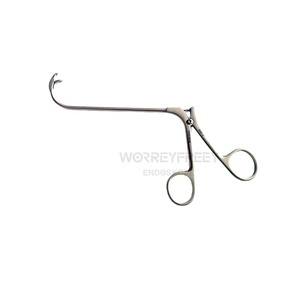
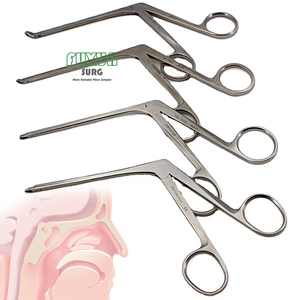
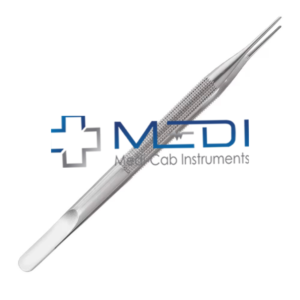
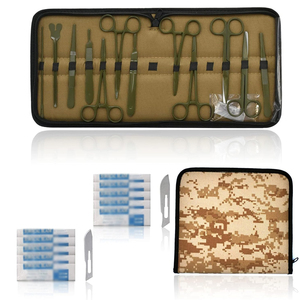
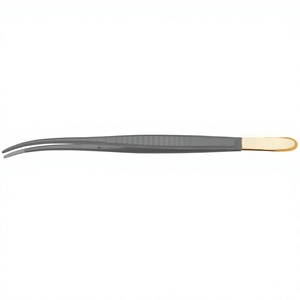
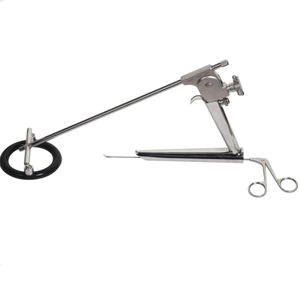
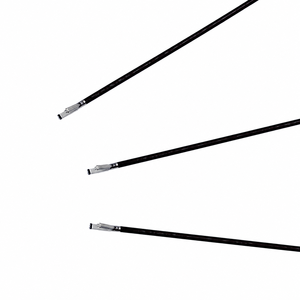
China's Premier Factory for Precision Surgical Bone Curettes
Combining metallurgical mastery, advanced CNC multi-axis milling, and clinical expertise to supply Tier-1 hospitals, medical brands, and surgical distributors globally.
Engineering Superiority: Metallurgical Standards for Surgical Bone Curettes
In modern orthopedic, neurosurgical, spinal, and ENT operative procedures, the structural integrity and scoop geometry of a bone curette dictate surgical precision and patient outcomes. As China's leading bone curette manufacturer and B2B OEM factory, we synthesize clinical insight with advanced metallurgy to fabricate instruments that withstand intense axial leverage, torsional strain, and repetitive high-pressure steam sterilization cycles.
Every bone curette leaving our facility is forged from certified medical-grade martensitic stainless steel (typically AISI 410, AISI 420, or AISI 440C depending on the required cutting bevel hardness). Unlike commercial-grade steel alloys that suffer from micro-pitting and early blade dulling, our proprietary thermal tempering and vacuum heat-treatment processes achieve an optimal Rockwell Hardness rating of HRC 52 to 56. This precise hardness balance prevents edge chipping during aggressive cortical bone scraping while retaining extreme sharpness for soft tissue debridement and subchondral bone preparation.
Sub-Surface Chemical Passivation & Corrosion Resistance
To safeguard against organic residue buildup and galvanic corrosion, all curettes undergo full-immersion passivation in strict accordance with ASTM A967 and ISO 16061 standards. This process strips free iron particles from the instrument surface, forming a self-healing chromium oxide barrier layer ($\text{Cr}_2\text{O}_3$) exceeding 2.5 nanometers in thickness. Consequently, our reusable bone curettes withstand over 3,000 autoclave cycles ($134^\circ\text{C}$ at 2.1 bar) without discoloration, joint stiffness, or structural degradation.
| Steel Grade / Parameter | Hardness (Rockwell HRC) | Tensile Strength (MPa) | Primary Clinical Application | Passivation Standard |
|---|---|---|---|---|
| AISI 420 (German Grade 1.4021) | HRC 52 - 54 | 1,450 - 1,600 | Volkmann & Brun General Bone Curettes | ASTM A967 Nitric Method II |
| AISI 440C High-Carbon Stainless | HRC 55 - 58 | 1,800 - 1,950 | Micro-Curettes, Spinal & Neurosurgical Tips | ASTM A967 Citric Method I |
| Titanium Alloy (Ti-6Al-4V ELI) | HRC 36 - 40 (Super-tough) | 950 - 1,050 | MRI-Compatible & Minimal Invasive Curettes | ASTM F136 Anodized Finish |
| Tungsten Carbide (TC) Inlaid | HRC 70+ (Blade Edge) | N/A (Cermet Matrix) | Heavy Decortication & Subchondral Scraping | Vacuum Brazed Joint Assembly |
Anatomical Taxonomy: Comprehensive Curette Typology & Surgical Intent
Search intent mining across global surgical procurement sectors demonstrates an increasing demand for specialized tip geometries tailored to specific anatomical structures. As a direct-factory manufacturer, we maintain an extensive library of over 800 bone curette variations spanning orthopedic, spinal, podiatric, maxillofacial, and otolaryngological disciplines.
Volkmann & Brun Curettes
Featuring oval or round deep cups with sharp perimeter rims, Volkmann and Brun curettes are the gold standard for general orthopedic debridement, bone graft harvesting, and tumor cavity scraping. Available in solid octagonal handles or weight-balanced hollow ergonomic grips.
Cobb & Spratt Spinal Curettes
Engineered for lumbar, thoracic, and cervical spine discectomy and fusion procedures. Designed with reinforced extra-thick shafts, straight, forward-angled, or reverse-angled tips (15° to 45°), allowing surgeons to safely excavate disc material near neural elements.
Micro & ENT Bone Curettes
Includes Lempert, House, and Buck micro-curettes designed for mastoidectomy, stapedectomy, and endoscopic sinus bone modification. Features ultra-fine cup diameters ranging from 0.5 mm to 2.5 mm with malleable shafts for intricate microsurgical angles.
Handle Ergonomics & Tactile Feedback Calibration
Surgeon hand fatigue during lengthy joint reconstruction or spinal decompression directly affects operational efficiency. Our OEM manufacturing facility incorporates specialized handle engineering options:
- Hollow Hexagonal Ergonomic Handles: Reduces instrument weight by 35% while maintaining exceptional structural balance and feedback control.
- Knurled Anti-Slip Anodized Titanium Handles: Provides maximum friction and tactile sensitivity when operating with wet surgical gloves under high irrigation conditions.
- Silicone-Coated Color-Coded Handles: Enables rapid size identification (ISO standard sizing codes 00000 through 6) directly on the surgical tray.
Global Procurement Trends: Strategic Analysis for Medical Device Buyers (2026–2030)
As global healthcare systems shift toward value-based care and strict regulatory compliance (EU MDR 2017/745, US FDA Unique Device Identification), the procurement landscape for reusable and disposable surgical instruments is undergoing structural transformation. B2B importers, medical device brands, and hospital tender groups must align their supply chain strategies with four critical macro-trends:
1. Shift Toward OEM Direct-Factory Contract Manufacturing
Rising overheads among European and American medical instrument brand owners have accelerated outsourcing to Chinese B2B factories equipped with end-to-end manufacturing capabilities. By leveraging our direct-factory infrastructure—incorporating CAD tooling design, drop forging, 5-axis CNC grinding, automated electropolishing, and cleanroom laser marking—global buyers achieve a 30% to 45% reduction in landed unit costs without compromising clinical precision or regulatory compliance.
2. Smart Traceability & Direct Laser UDI Marking
Regulatory agencies worldwide now mandate full instrument-level traceability across hospital central sterile supply departments (CSSD). Our manufacturing line integrates high-precision fiber laser etching systems capable of micro-marking GS1 DataMatrix 2D barcodes, lot numbers, and serial codes on narrow curette shafts down to 2.0 mm diameter. These laser marks remain readable even after 1,000+ chemical passivation and thermal sterilization cycles.
3. Growth of Single-Use Sterile Kits alongside Heavy-Duty OR Reusables
While high-volume operating theaters continue to rely on premium reusable stainless steel curettes for heavy decortication, emergency rooms, outpatient surgical centers (ASCs), and field trauma units are rapidly expanding procurement of pre-sterilized, single-use procedure packs. Our factory offers dual-track production: ultra-durable OR-grade reusable instruments backed by a lifetime guarantee, and sterile disposable instrument sets packed in Class 10,000 cleanrooms.
End-to-End OEM / ODM Private Label Manufacturing Process
From initial engineering concept drawings to final retail-ready packaging, our factory provides complete OEM/ODM solutions tailored to international distributors and private label brands.
| Stage | Workflow Phase | Quality Control Checkpoint | Lead Time |
|---|---|---|---|
| Stage 01 | CAD / CAM Design & Rapid Prototyping | 3D Optical Scanner Dimensional Verification | 3 - 5 Days |
| Stage 02 | Drop Forging & Annealing | Material Mill Test Certificate (MTC) Chemical Analysis | 7 - 10 Days |
| Stage 03 | 5-Axis CNC Milling & Cup Shaping | Coordinate Measuring Machine (CMM) ±0.01mm Tolerance | 10 - 14 Days |
| Stage 04 | Vacuum Heat Treatment & Tempering | Rockwell Hardness (HRC) Testing per Lot | 3 - 5 Days |
| Stage 05 | Hand Edge Sharpening & Polishing | Microscopic Bevel Inspection & Tactile Cutting Test | 5 - 7 Days |
| Stage 06 | Chemical Passivation & Ultrasonic Cleaning | Copper Sulfate Corrosion Resistance Test (ASTM A380) | 2 - 3 Days |
| Stage 07 | Laser UDI Marking & Custom Packaging | 2D Barcode Scan Validation & Cleanroom Seal Integrity | 3 - 5 Days |
Frequently Asked Questions (B2B Sourcing FAQ)
Clear, authoritative answers regarding specifications, OEM terms, certifications, and global export shipping for institutional buyers.
Partner with China's Leading Bone Curette Manufacturer
Whether you are filling a national hospital tender, developing a custom private-label surgical line, or optimizing your medical supply chain costs, our engineering team is ready to deliver precision instruments built to your exact specifications.