
Featured Cardiovascular & Surgical Instruments
Engineered with medical-grade titanium and martensitic stainless steel. Developed for cardiac, vascular, neurological, and thoracic surgical suites worldwide.
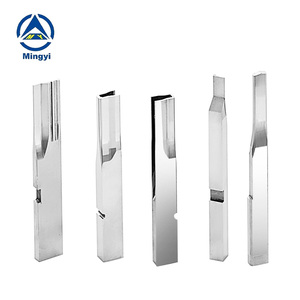
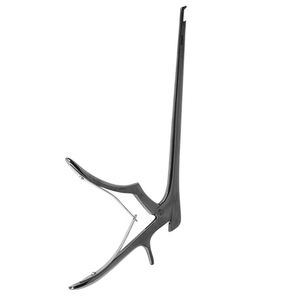
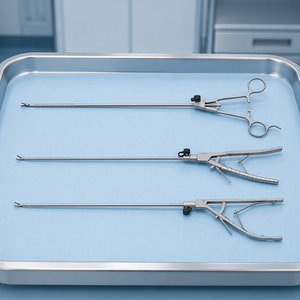
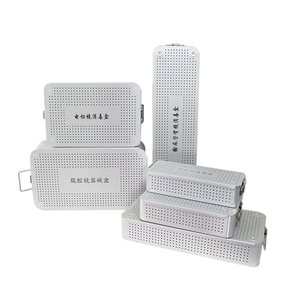
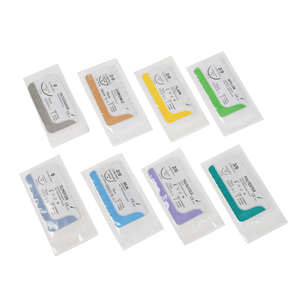
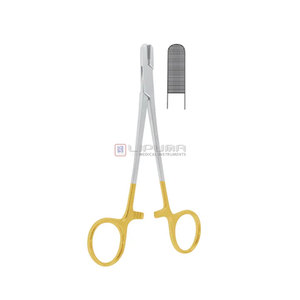
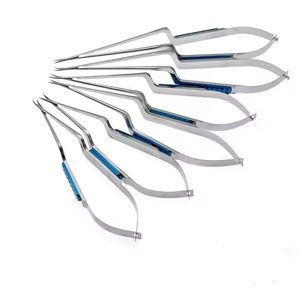
Engineering Leadership in Cardiovascular Instrument Manufacturing
In the highly specialized ecosystem of modern cardiac and vascular surgery, instrument reliability directly translates to surgical outcome precision, reduced ischemic duration, and patient safety. As a premier China Best Cardiovascular Instruments Factory & Supplier, our manufacturing infrastructure bridges the gap between state-of-the-art metallurgical science and clinical ergonomic perfection. Cardiovascular procedures—ranging from open-heart Coronary Artery Bypass Grafting (CABG) to complex aortic arch reconstructions and minimally invasive valve replacements—demand micro-surgical tools crafted to tolerances as tight as ±0.01mm.
Under rigid ISO 13485:2016 and CE Class I/II regulatory frameworks, our production center integrates clinical design insights from practicing cardiac surgeons with high-precision CNC multi-axis milling, drop-forging, and vacuum heat treatment processes. Every micro-vascular forcep, atraumatic clamp, wire-twister, and specialized scissor undergoes rigorous bio-compatibility, anti-corrosion passivation, and tensile stress testing before entry into hospital operating theaters across North America, Europe, and the Asia-Pacific region.
Global Procurement & Tech Trends in Cardiovascular Instruments (2025–2030)
Healthcare procurement managers and medical device distributors must align their supply chains with next-generation surgical paradigms. Our technical R&D team highlights five macro-level trends shaping future purchasing strategies:
1. Rise of MICS & VATS Instrumentation
Minimally Invasive Cardiac Surgery (MICS) and Video-Assisted Thoracoscopic Surgery (VATS) require extra-long, low-profile, bayonet-shaped micro-instruments. Procurement is rapidly pivoting away from heavy open-chest tools toward 5mm shaft autoclavable shaft forceps, articulated needle holders, and specialized remote-ligation systems.
2. Metallurgy: Titanium vs. German Stainless Steel
While martensitic AISI 420 stainless steel remains the gold standard for sharp cutting scissors, Titanium Alloy (Ti-6Al-4V) is dominating delicate vascular forceps and micro-needle holders. Titanium offers a 40% weight reduction, zero magnetic interference during intraoperative MRI, and superior tactile memory for microsurgical anastomoses.
3. Surface Coatings & Tungsten Carbide (TC) Inlays
Modern hospitals prioritize tools with Diamond-Like Carbon (DLC) anti-reflective black coatings and Tungsten Carbide (TC) jaws. DLC coatings eliminate surgical headlight glare under high-magnification loupes, while TC inserts increase jaw hardness to 70 HRC, extending wear life by up to 500% over standard steel.
4. Stringent Traceability & UDI Compliance
Global regulations (EU MDR 2017/745 and US FDA 21 CFR 830) strictly mandate Unique Device Identification (UDI). High-grade cardiovascular suppliers must provide 2D DataMatrix laser engraving on every individual instrument, ensuring seamless scanning, hospital inventory management, and automated reprocessing tracking.
5. Hybrid Reprocessing & Disposable Micro-Consumables
To combat hospital-acquired infections (HAIs) and reduce Central Sterile Supply Department (CSSD) labor bottlenecks, health systems are deploying hybrid models: heavy-duty reusable titanium retractors paired with single-use sterile micro-punches, scalpels, and suture boots.
Comparative Metallurgy Matrix for Cardiovascular Tools
Selecting the optimal alloy composition is crucial for longevity, spring tension retention, and chemical sterilization resistance. Below is an engineering comparison across primary medical-grade metals used in our factory:
| Material Grade | Hardness (HRC / HV) | Tensile Strength (MPa) | Autoclave Cycles (134°C) | Primary Clinical Applications | Key Advantage |
|---|---|---|---|---|---|
| Martensitic Stainless (AISI 420 / 420B) | 50 – 56 HRC | 1600 – 1900 MPa | > 3,000 Cycles | Potts-Smith Scissors, Micro-Cutters, Rongeurs | Superior razor-edge sharpness and shear force cut reliability |
| Austenitic Stainless (AISI 316L) | 25 – 30 HRC | 600 – 850 MPa | > 5,000 Cycles | Sterilization Trays, Sternal Retractors, Clamps | Maximum resistance to pitting, pitting corrosion, and saline chemical attack |
| Titanium Alloy (Ti-6Al-4V Grade 5) | 36 – 40 HRC | 900 – 1100 MPa | > 10,000 Cycles | Castroviejo Needle Holders, DeBakey Micro-Forceps | 100% Non-magnetic, 40% lighter than steel, immune to rust |
| Tungsten Carbide Inlays (TC Matrix) | 68 – 72 HRC | 2200 + MPa | > 4,500 Cycles | Wire Twisters, Needle Holder Grips, Scissors Jaws | Unmatched grip security on non-absorbable sutures & cardiac wire |
Comprehensive Factory Manufacturing Process & Quality Control
How a raw forged blank transitions into an surgical-grade cardiovascular instrument inside our manufacturing hub:
Raw Material Inspection
Spectrographic composition testing of incoming steel billets and titanium rods to verify compliance with ASTM F899 and ISO 7153-1 standards.
Hot Drop Forging & CNC
Precision precision die drop-forging followed by 5-axis CNC profile milling to establish anatomical curvature and box-lock alignment.
Vacuum Heat Treatment
Computerized vacuum furnace hardening and multi-stage tempering to achieve exact HRC balance, preventing brittleness under high mechanical load.
Hand Finishing & Setting
Master artisans adjust micro-jaw alignment, set atraumatic DeBakey teeth, polish surfaces to anti-glare satin finish, and fit TC tips.
Chemical Passivation
Nitric and citric acid bath passivation restores chromium oxide passive layer, eliminating free iron to guarantee total rust immunity during autoclaving.
100% Quality Assurance
Optical comparator verification, copper-plate bite testing, boil testing for corrosion, and UDI fiber-laser marking prior to sterile barrier packaging.
Why Top Global Brands Partner With Our China Manufacturing Hub
As an established leader among cardiovascular instrument suppliers, our operations fuse high-volume production capacity with bespoke custom engineering tailored for global OEM brands, regional hospital groups, and government tenders.
- Complete Regulatory Compliance: Full technical documentation file (TCF) supporting CE marking, ISO 13485 certification, and FDA 510(k) clearances.
- End-to-End Private Labeling: Custom laser logo engraving, standardized UDI barcode application, and branded retail packaging solutions.
- Zero-Defect Guarantee: Unconditional lifetime warranty against raw material flaws, joint loosening, and manufacturing defects.
- Rapid OEM Prototyping: In-house CAD modeling team capable of producing custom prototype samples from surgeon concept sketches within 14 working days.
Global Direct Procurement Hub
Streamline your medical instrument supply chain. Cut middleman margins and work directly with our engineering team for institutional tenders, custom kits, and wholesale orders.
Frequently Asked Procurement Questions (FAQ)
Answers to critical questions regarding material certifications, minimum order quantities (MOQ), sterilization testing, and global export shipping logistics.
Partner With China's Leading Cardiovascular Instrument Factory
Contact our engineering and global sales team today to discuss volume pricing, tender specifications, sample delivery, or private label manufacturing.