Precision Medical & Dental Equipment Showcase
Explore our certified range of surgical cutlery, autoclavable cassettes, laproscopic forceps, and specialty dental tools engineered for high-durability operational environments.
1. Market Dynamics & Executive Summary: Sourcing Dental Elevators from Top Export Hubs
Dental extraction tools, particularly dental elevators (also referred to as luxators, periotomes, and root elevators), represent one of the most critical high-precision instrument categories in oral and maxillofacial surgery. As clinical dentistry shifts towards minimally invasive techniques, atraumatic tooth extraction, and immediate post-extraction implant placement, the physical demand placed on dental elevators has scaled exponentially. Buyers searching for the best dental elevators factories and exporters in China and partner production clusters like Sialkot are seeking more than mere low-cost manufacturing—they require stringent metallurgical integrity, micro-dimensional consistency, ergonomic torque transfer, and verified regulatory compliance.
The modern supply chain for dental instruments relies on automated CNC 5-axis milling, drop-forging precision, and vacuum heat-treatment processes. While traditional forging hubs like Sialkot, Pakistan have spent generations perfecting manual finishing, hand-setting, and joint alignment under ISO 13485 frameworks, advanced manufacturing integration across East Asian industrial zones has introduced high-capacity automated machining, physical vapor deposition (PVD) titanium coatings, and automated laser passivation. Procurement managers, hospital distributors, and OEM brand owners must analyze both metallurgical specs and factory verification standards to secure superior supply chains.
Key Information Gain Insight for Procurement Directors
A dental elevator is subject to immense rotational torque and mechanical leverage during root ligament expansion. Choosing an elevator manufactured from inferior AISI 304 or unhardened steel risks tip deformation, micro-fracturing inside the alveolar socket, and severe surgical complications. High-tier exporters utilize martensitic stainless steels (AISI 420, 440C, or French/German DIN 1.4021) vacuum-hardened to 52-56 HRC for optimal edge retention and yield strength.
Technical Anatomy & Mechanical Principles of Superior Dental Elevators
A dental elevator functions on three classical mechanical principles: the lever, the wedge, and the wheel and axle. High-performance factories construct elevators with three distinct components, each requiring tailored engineering focus:
- The Blade / Working Tip: Designed to be inserted into the periodontal ligament (PDL) space. Must feature precise apical taper, razor-thin lateral margins, and concave inner surfaces to match root anatomies (e.g., Bein, Cryer, Apexo, Coupland, and Luxating geometries).
- The Shank: Connects the handle to the blade. Must be engineered with stress-relieved taper angles to prevent bending when maximum mechanical leverage (fulcrum action) is applied against the interdental alveolar bone.
- The Handle: Ergonomically configured (hollow stainless steel, octagon grip, or textured silicone contour) to ensure maximum tactile feedback while reducing surgeon hand fatigue during prolonged surgical extractions.
Core Dental Elevator Classifications & Engineering Standards
Comprehensive technical breakdown of specialized elevators manufactured for global dental distribution and hospital tenders.
Straight & Standard Elevators
Engineered for initial engagement and luxation of erupted teeth across maxillary and mandibular arches. Features straight shanks and varied blade concavities.
- Bein Elevators: Ultra-fine concave blade tips (2.0mm to 4.5mm).
- Coupland Pattern: Gouge-shaped tips with reinforced shanks for heavy leverage.
- White & Flohr Variants: Precision angled tips for posterior access.
Triangular & Angled Elevators
Utilizes the wheel-and-axle mechanical advantage to lift broken roots or multi-rooted molars from alveolar sockets post-hemisection.
- Cryer Elevators: Right/Left pairs with triangular sharp point tips.
- Seldin Patterns: Ergonomic curve handles for posterior molar roots.
- Winter Elevators: Heavy cross-bar T-handles for maximum rotational torque.
Luxating Hybrids & Periotomes
Specialized ultra-thin instruments designed to sever the periodontal ligament via axial insertion rather than leverage force, conserving bone socket integrity.
- Periotome Elevators: Flexible 1.5mm micro-blades for implant site prep.
- Titanium Nitride (TiN) Coated: Low-friction surface treatment for effortless PDL penetration.
- Color-Coded Handles: Instant clinical recognition in surgical trays.
2. Future Sourcing & Manufacturing Trends (2025–2030)
The global market for dental elevators and surgical hand instruments is undergoing a dramatic technological transformation. Importers, OEM brand holders, and medical procurement teams must align their sourcing strategies with four dominant industry trends currently reshaping factory production lines in leading manufacturing centers.
Trend A: Shift Toward Atraumatic Extraction & Micro-Blade Engineering
Traditional aggressive tooth extraction using heavy leverage elevators often results in socket wall fracture and buccal bone loss, severely compromising immediate implant replacement. Consequently, global surgical demand has pivoted toward luxating elevators and micro-periotomes. Modern factories are investing in high-precision Swiss 5-axis CNC grinding machines capable of tapering blade margins down to 0.15mm thickness while preserving structural rigidity under axial tension. Importers must ensure their supplying factories possess optical profile projection equipment to inspect micro-taper tolerances on every production batch.
Trend B: Vacuum Heat-Treatment and Advanced Surface Coatings
Air-hardening furnace technology is being phased out by elite exporters in favor of automated vacuum heat-treatment chambers. Vacuum quenching prevents surface decarburization and scale formation, ensuring consistent hardness (typically 54±2 HRC) throughout the martensitic matrix of the instrument. Furthermore, functional coatings such as Diamond-Like Carbon (DLC) and Titanium Nitride (TiN) are increasingly specified in OEM contracts. These coatings reduce friction coefficients, increase surface hardness beyond 70 HRC, and eliminate reflection under high-intensity operating room surgical lighting.
Trend C: Automated Chemical Passivation & Corrosion Resistance Validation
With stringent regulatory frameworks enforced by the EU MDR (2017/745) and US FDA, simple manual polishing is insufficient to prevent surface corrosion during repeated hospital autoclaving cycles (134°C high-pressure steam). Leading manufacturers have integrated citric and nitric acid automated passivation lines complying with ASTM A967 standards. Passivation strips free iron from the stainless steel surface, generating a self-healing chromium oxide barrier ($Cr_2O_3$) that resists pitting, staining, and rust formation.
Metallurgical Grade Comparison Matrix for Dental Elevators
Understanding raw material metallurgy is critical for technical evaluation when issuing tenders or negotiating OEM production contracts.
| Steel Grade Standard | Composition (Cr / C / Fe) | Hardness Range (HRC) | Corrosion Resistance | Primary Application |
|---|---|---|---|---|
| AISI 420A / DIN 1.4021 | 12.0-14.0% Cr, 0.16-0.25% C | 48 - 52 HRC | High | Elevator handles, surgical forceps bodies |
| AISI 420B / DIN 1.4028 | 12.5-14.5% Cr, 0.26-0.35% C | 52 - 55 HRC | Very High | Premium elevator tips, luxury extraction instruments |
| AISI 420C / DIN 1.4034 | 12.5-14.5% Cr, 0.36-0.45% C | 54 - 57 HRC | Optimal Edge Retention | High-leverage elevator blades, micro-scissors |
| AISI 304 (Austenitic) | 18.0-20.0% Cr, 8.0-10.5% Ni | Non-Hardenable (80-90 HRB) | Maximum Corrosion Immunity | Sterilization trays, hollow handles, cassettes |
Step-by-Step Manufacturing & Inspection Workflow
How elite export factories transform raw certified steel bars into precision surgical instruments guaranteed against manufacturing defects.
Spectro Analysis
Incoming steel bars undergo X-ray fluorescence (XRF) spectro analysis to verify material composition certificates.
Precision Forging
Drop-forging forming dies press steel blanks at 1100°C to shape handle-shank-blade preforms.
CNC Machining
5-Axis milling and profile grinding establish exact tip concavity, serrations, and edge bevels.
Vacuum Hardening
Computerized vacuum heat-treatment and cryogenic tempering achieve uniform HRC hardness.
Passivation & QA
Ultrasonic cleaning, acid passivation, laser etching, and boiling-water corrosion testing.
3. Enterprise Manufacturing Advantages & OEM Sourcing Solutions
Collaborating with established manufacturing hubs provides global importers and medical supply brand owners with profound strategic benefits. By synthesizing advanced industrial automation with time-honored artisanal forging techniques (such as those honed in Sialkot and leading Asian manufacturing zones), client organizations receive unmatched commercial flexibility and technical performance.
1. Comprehensive OEM & Private Label Customization
Distributors seeking to launch or expand their proprietary dental lines require flexible OEM services. Qualified manufacturing facilities offer turnkey private labeling solutions including:
- Fibre Laser Marking: High-resolution vector etching of brand logos, SKU codes, CE marks, and UDI (Unique Device Identification) matrix barcodes directly onto instrument shanks.
- Custom Ergonomic Handles: Custom mold engineering for hollow stainless steel lightweight handles, silicone color rings, and anti-slip knurled textures tailored to client ergonomic preferences.
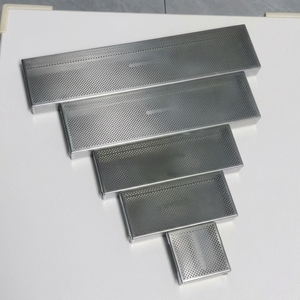
- Custom Sterilization Kit Packaging: Complete dental elevator sets pre-arranged inside lockable perforated stainless steel sterilization cassettes (as shown in our product showcase) ready for hospital distribution.
2. Stringent Quality Control & Lifetime Guarantee Protocols
International procurement carries inherent risks if incoming batch inspections fail to meet regulatory standards. Responsible export enterprises back their reusable stainless steel instruments with written lifetime guarantees against material defects and premature fracturing. Every lot undergoes rigorous testing, including:
- Boil Test (ISO 13402 / ASTM F1089): Boiling instruments in distilled water for 30 minutes followed by a 24-hour air dry to check for rust or iron contamination.
- Autoclave Resistance Test: Subjecting samples to 100+ consecutive 134°C sterilization cycles to monitor passivation layer resilience.
- Torque Deflection & Fracture Test: Applying rotational torque forces beyond clinical norms to ensure shank elasticity without catastrophic fracture.
Regulatory Compliance & Export Clearance Support
Navigating global healthcare compliance requires full documentation transparency. Direct manufacturing partners provide technical files, ISO 13485:2016 quality management certificates, CE declarations of conformity (MDR compliant), FDA registration numbers, and Material Safety Data Sheets (MSDS) to streamline customs import clearing across North America, Europe, the Middle East, and Asia-Pacific.
Frequently Asked Questions (FAQ) for Global Buyers
Clear, direct answers regarding technical specifications, minimum order quantities, OEM procedures, and export logistics.
Partner with Leading Instrument Manufacturers & Exporters
Request direct factory quotations, evaluate pre-production sample quality, or consult with our technical engineering team regarding your OEM brand specifications.