Executive Industry Overview: Precision Surgical Elevators Manufacturing
In modern surgical and dental interventions, the surgical elevator—ranging from periosteal elevators in orthopedic procedures to dental extraction elevators (such as Bein, Cryer, and Apexo patterns)—represents a critical instrument requiring exacting mechanical metallurgy, strict dimensional tolerances, and high fatigue resistance. As a premier China Surgical Elevators Supplier & Exporter, our manufacturing infrastructure bridges traditional metallurgical craftsmanship with state-of-the-art 5-axis CNC machining, automated vacuum heat treatment, and ISO 13485-certified quality assurance processes.
This technical whitepaper outlines the structural parameters, metallurgical standards, future procurement trajectories, and quality verification frameworks necessary for medical supply procurement teams, hospital purchasing managers, and OEM/private-label distributors seeking high-grade surgical tooling directly from verified Chinese manufacturing facilities.
Featured Surgical & Dental Instrument Portfolio
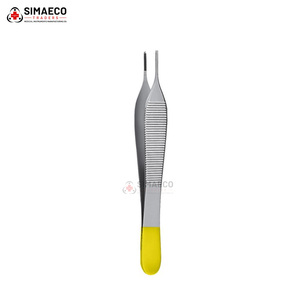
MICRO-ADSON TC Forceps Tungsten Carbide Stainless Steel Reusable Surgical Instrument OEM Private Label
Get Catalog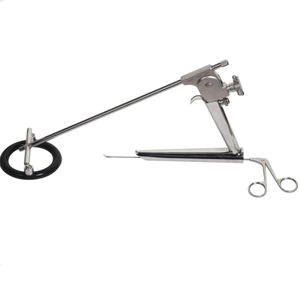
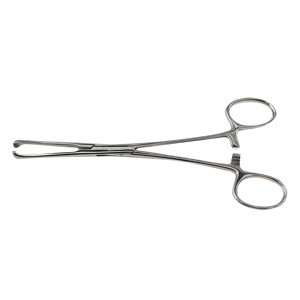
Stainless steel ophthalmic tissue forceps Ellis forceps micro surgical instrument stainless steel rat's teeth forceps
Get Catalog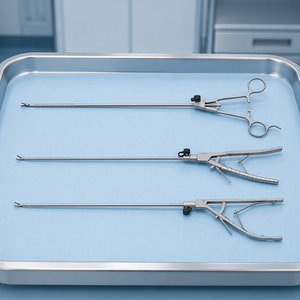
Hot Sale Autoclavable Gun Type Forceps 5mm Curved Jaw for Abdominal Minimally Invasive Surgery
Get Catalog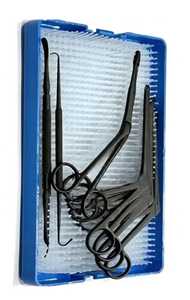
ENT Surgical Instrument Set | 10-Piece FESS Sinus Endoscopy Instruments Stainless Steel Manual Ligature Instruments ISO13485
Get Catalog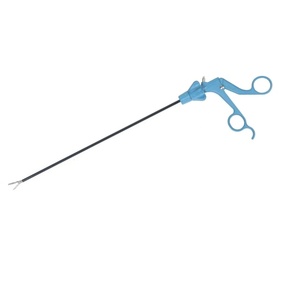
Autoclave Sterilizer the Basis of Surgical Instruments Bipolar Forceps/Different Types of Surgical Instrument Forceps
Get Catalog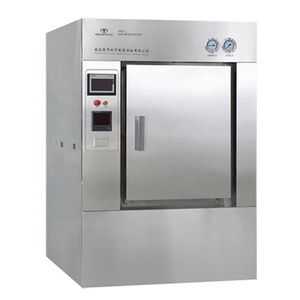
Hot Sale Surgical Instruments Horizontal High Pressure Pulse Vacuum Steam Sterilizer Autoclave Customizable Chamber
Get Catalog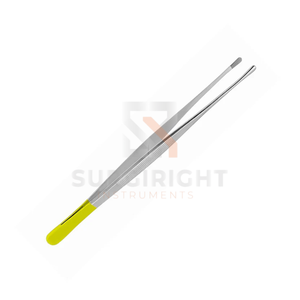
TC Wangensteen Tissue Forceps Stainless Steel Tungsten Carbide Surgical Tissue Grasping Forceps by SurgiRight
Get CatalogVerified Enterprise Capabilities & Technical Competence
Rooted in clinical insight and surgical ergonomics, our enterprise combines medical-grade forging expertise with global export compliance. Every instrument produced undergoes comprehensive passivation and microscopic tolerance checks to eliminate micro-burrs and micro-fractures, fulfilling both ISO 13485 Quality System and CE Directive standards.
Metallurgy & Engineering Standards of High-Performance Surgical Elevators
Surgical elevators perform under significant manual lever mechanics, converting hand rotational torque into localized linear expansion forces (fulcrum action) during tissue reflection or tooth root luxation. Substandard metallurgy or improper tempering results in catastrophic tip fracture or blade bending—risks that cannot be tolerated in sterile operating environments.
Our manufacturing protocols utilize certified German and high-purity martensitic stainless steels, such as AISI 420 (DIN 1.4021 / 1.4028) and AISI 440C, tailored specifically to the functional section of the instrument:
Working Blade & Tip Design
Precision-ground bevel angles with micro-serrations or satin finishes. Heat-treated to Rockwell Hardness HRC 52–56, ensuring razor-sharp elevation edges without brittleness.
Ergonomic Shaft & Handle Engineering
Hollow hexagonal, solid knurled, or anatomically contoured handles made from AISI 304 or lightweight titanium alloy, optimized to minimize hand fatigue during prolonged procedures.
Chemical Passivation & Autoclave Stability
Conforming to ASTM A967 and ISO 16061, our electrochemical passivation removes surface free-iron, creating a durable chromium-oxide layer capable of enduring thousands of steam autoclave sterilizations.
Comparative Technical Matrix: Elevators & Instrument Grades
| Specification Parameter | Standard Economy Grade | Premium OR-Grade (Our Standard) | Titanium-Coated / TC Enhanced |
|---|---|---|---|
| Raw Material Composition | Basic AISI 410 Stainless Steel | German AISI 420 / 440C Martensitic Steel | Grade 5 Titanium / Tungsten Carbide Tip |
| Hardness Rating (HRC) | HRC 44 – 48 | HRC 52 – 56 (Controlled Vacuum) | HRC 68 – 72 (Tip Wear Zone) |
| Corrosion Resistance | Basic Manual Polish | Electrochemical Passivation (ASTM A967) | TiN Vacuum PVD Coating / Nano-barrier |
| Autoclave Longevity | Approx. 100 – 250 Cycles | > 2,000 Repeated Autoclave Cycles | > 5,000 High-Temp Sterilization Cycles |
| Traceability & Marking | Generic Ink Printing | Fiber Laser Marking (UDI Compliant) | Direct DataMatrix Laser Engraving |
Future Procurement Trends in Global Surgical Instrument Sourcing
As international healthcare networks, hospital groups, and medical distributors optimize their supply chains, four major macro-trends are driving sourcing decisions for surgical elevators and operative tooling:
1. Shift Toward Direct Manufacturer Sourcing & Supply Chain Transparency: Procurement teams are increasingly bypassing traditional multi-tier trading intermediaries in favor of audited Chinese OEM factories capable of offering end-to-end quality documentation, raw material heat-lot traceability certificates, and strict delivery timelines.
2. Mandated UDI Compliance and Digital Laser Marking: Regulatory authorities globally (including US FDA GUDID and EU EUDAMED) mandate Unique Device Identification (UDI) etched directly onto reusable surgical tools. Our manufacturing lines integrate automated fiber-laser marking for GS1-standard DataMatrix codes on every elevator unit.
3. Rise of Hybrid Kits & Procedure-Specific Sets: Surgical teams demand custom-configured instrument trays (e.g., Sinus Lift Sets, FESS Endoscopy Kits, Periodontal Elevation Sets) pre-arranged in customized autoclavable aluminum or PEEK sterilization cassettes, reducing hospital reprocessing turnaround times.
4. Sustainable Metallurgy & Circular Lifecycle Guarantees: Modern procurement contracts prioritize long-life reusable instruments backed by lifetime guarantees against material flaws, decreasing per-procedure capital expenditure and surgical waste.
Technological & Manufacturing Innovations in Chinese Tooling
China's surgical manufacturing sector has evolved from labor-intensive grinding to high-precision robotic fabrication. Key technological advances integrated into our surgical elevator production include:
5-Axis CNC Profile Grinding
Eliminates human error in blade curvature geometry, delivering consistent blade sharpness and precise elevator tip alignment for delicate tissue elevation.
Sub-Zero Cryogenic Treatment
Following vacuum quenching, instruments are subjected to -196°C liquid nitrogen treatment to convert retained austenite into martensite, maximizing edge retention and stress tolerance.
PVD Titanium Nitride (TiN) Coating
Optional physical vapor deposition creates a biocompatible gold or black ceramic layer, reducing surface friction and providing non-glare performance under high-intensity operating room lights.
Frequently Asked Sourcing & Technical Questions (FAQ)
What makes China a premier source for high-quality surgical elevators?
China combines mature metallurgical supply chains, advanced CNC machining infrastructure, and competitive skilled engineering labor. By adhering to international ISO 13485 quality management systems, certified Chinese manufacturers deliver OR-grade instruments that match or exceed Western performance benchmarks at optimized factory-direct costs.
Which steel grades are utilized for surgical elevator tips and handles?
Working tips are forged primarily from martensitic stainless steels like AISI 420 or AISI 440C to ensure high hardness (HRC 52–56) and wear resistance. Handles are crafted from austenitic AISI 304 or lightweight titanium to balance ergonomic grip and autoclave durability.
Do you provide OEM, private labeling, and custom branding services?
Yes. We provide complete OEM/ODM solutions, including custom tip geometry development, fiber laser logo engraving, UDI barcode marking, customized product packaging, and procedure-specific kit assembly according to client specifications.
Are your surgical elevators certified for regulatory compliance in EU and US markets?
All products are manufactured in ISO 13485 and ISO 9001 certified facilities, compliant with CE mark requirements under European Medical Device Regulations (EU MDR) and US FDA registration standards. Technical documentation and certificates of conformity are supplied with volume orders.
How do you ensure corrosion resistance and prevent rust during repeated autoclaving?
Every instrument undergoes automated ultrasonic cleaning followed by chemical passivation per ASTM A967 standards. This process strips free iron particles from the metal surface, forming an impermeable, self-healing chromium oxide passive layer.
What is the typical lead time for sample evaluation and volume production?
Standard catalog samples can be dispatched within 3–5 business days for clinical or commercial evaluation. Bulk production lead times generally range between 20 to 35 days depending on total order volume, pattern complexity, and custom packaging requirements.
What is your quality guarantee policy for manufacturing defects?
We back all reusable OR-grade instruments with a comprehensive lifetime warranty covering manufacturing, structural, and material defects. Any instrument failing to meet technical standards during normal clinical use is replaced free of charge.
How can international distributors request official pricing and catalog files?
Procurement teams can click the direct inquiry button on this page to open our instant global communication portal and request comprehensive catalog PDFs, technical data sheets, and tier-priced quotations.
Partner with China's Premier Surgical Elevators Manufacturer
Streamline your medical instrument supply chain with certified ISO 13485 factory-direct production. Access complete product catalogs, request evaluation samples, or discuss custom OEM private-label projects with our export engineering team today.
Get Catalog