
Precision Surgical Cannulas & Surgical Suites Showcase
Engineered in cleanroom facilities, adhering to strict ISO 13485 quality standards for cardiovascular, ophthalmic, liposuction, ENT, and general surgical applications.
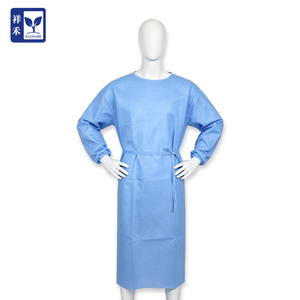
Sterile Surgical Gowns Disposable Medical Apparel Long Sleeve Knitted Cuff Hospital Supplies Factory
Get a Quote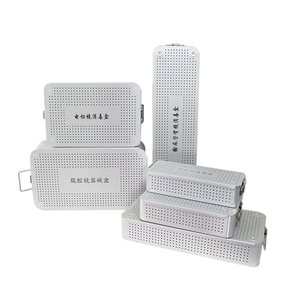
Best Selling Sterilization Box Tray Container for Hysterectomy Set & Surgical Cannula Storage
Get a Quote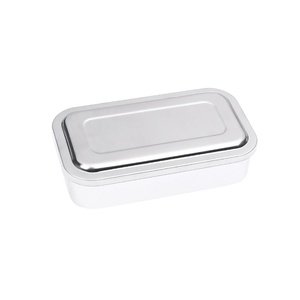
BR-SS88 SS201 High Quality Hospital Surgical Instrument Stainless Steel Trays With Lids
Get a Quote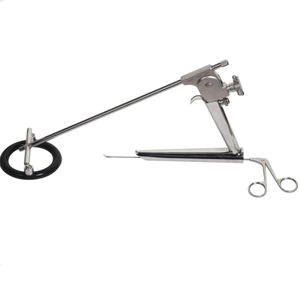
ENT Surgery Laryngoscopy Self Retaining Laryngoscope Set With Integrated Fiber Optics
Get a Quote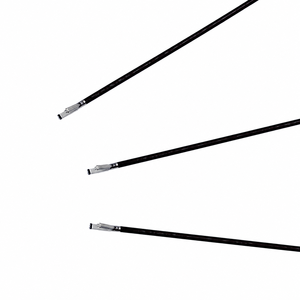
General Surgery 3mm Laparoscopic Grasper 2+3 Teeth Non Locking Reusable Rotatable Forceps
Get a Quote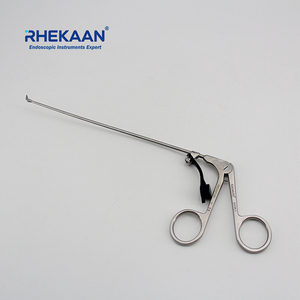
Premium 230mm Stainless Steel Laryngology ENT Micro Nasal Laryngeal Surgery Cutting Scissors
Get a Quote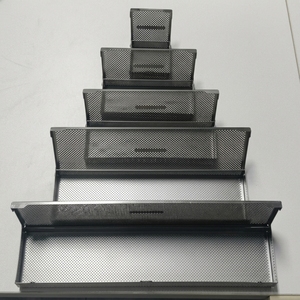
Stainless Steel Perforated Mesh Sterilization Cassette Autoclavable Surgical Disinfection Box
Get a Quote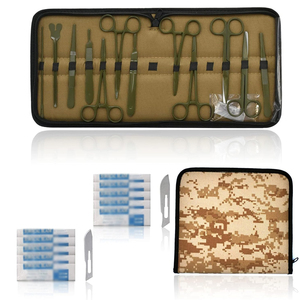
Surgical Dissecting Kits Customizable OEM Service High Quality Reusable CE Certified Sets
Get a QuoteThe Strategic Role of Chinese Precision Surgical Cannula Manufacturers in Global Healthcare Supply Chains
Surgical cannulas represent one of the most critical classes of fluid delivery, aspiration, and vascular access instruments across modern minimally invasive surgery (MIS), cardiovascular procedures, ophthalmic operations, plastic surgery, and neurosurgery. As global hospital systems and original equipment manufacturers (OEMs) demand heightened dimensional tolerances, biological safety compliance, and supply chain resilience, China's surgical manufacturing ecosystem has undergone a profound technological transformation.
Historically relied upon for volume production, top-tier Chinese surgical cannula manufacturers have evolved into specialized research and manufacturing hubs capable of cold-drawing medical-grade AISI 316L stainless steel, nitinol, and bio-compatible polymers down to sub-millimeter gauge specifications with microscopic wall consistency (OD tolerances within ±0.005mm). Supported by integrated ISO Class 7 cleanrooms, automated micro-deburring, laser welding, and electrochemical polishing systems, leading Chinese suppliers now power Tier-1 medical device brands across North America, Europe, the Middle East, and Asia-Pacific.
Evaluating a surgical cannula manufacturer requires assessing raw material certification (steel heat melt numbers), inner lumen surface roughness ($R_a \le 0.08\,\mu\text{m}$ to prevent hemolysis and protein adhesion), tip sharpening geometry, cleanroom biological load management, and regulatory master file submissions for FDA 510(k) and EU MDR compliance.
Technical Specification Matrix: Medical-Grade Cannula Engineering Standards
| Parameter / Specification | Standard Commercial Grade | OEM Medical-Grade Precision | Advanced Ultra-Thin Surgical Grade |
|---|---|---|---|
| Raw Material Base | AISI 304 Stainless Steel | AISI 316L / 316LVM Medical Steel | Seamless 316LVM / Nitinol Superelastic Alloy |
| Outer Diameter (OD) Tolerance | ±0.02 mm | ±0.008 mm | ±0.003 mm (Micro-machined) |
| Inner Lumen Surface ($R_a$) | $\le 0.4\,\mu\text{m}$ | $\le 0.15\,\mu\text{m}$ (Electropolished) | $\le 0.05\,\mu\text{m}$ (Mirror/Silicone-Coated) |
| Tip Geometry Options | Standard Bevel / Blunt Cut | Tri-bevel Lancet, Trocar, Bullet Blunt | Multi-side Port, Curved Spatula, Micro-bevel |
| Cleanroom Assembly | Class 100,000 (ISO Class 8) | Class 10,000 (ISO Class 7) | Class 1,000 / Automated Bio-barrier Zone |
| Regulatory Master Files | Basic ISO 9001 | ISO 13485, CE (MDR), FDA 510(k) | Full Technical File (STED), REACH, RoHS |
Future Technological Trends in Surgical Cannula Manufacturing
How micro-machining, smart sensor integration, and surface chemistry modifications are redefining surgical cannula efficacy and clinical safety.
1. Ultra-Thin Wall (UTW) & Extra-Thin Lumen Cold Drawing
Surgeons increasingly demand smaller outer cannula diameters to minimize patient puncture trauma while maintaining maximum volumetric flow rates. Advanced Chinese factories utilize multi-pass cold drawing over precision mandrels to achieve Ultra-Thin Wall (UTW) geometries. This engineering increase expands inner fluid lumen volume by up to 35% without expanding the incision footprint.
2. Electrochemical Polishing & Hydrophobic Nanocoatings
Microscopic burrs or surface roughness within a surgical cannula lumen can induce red blood cell lysis (hemolysis), encourage thrombus formation, or obstruct delicate ophthalmic or neurosurgical fluids. Leading exporters implement fully automated electrochemical polishing combined with fluoropolymer or medical-grade silicone inner coatings, guaranteeing low fluid shear and friction-free tip penetration.
3. Multi-Functional & Smart Sensor-Integrated Cannulas
Next-generation surgical cannulas are transcending passive fluid conduits. Innovations include integrated micro-optical fibers for real-time tissue differentiation, pressure-sensing lumen tips for intraocular or intracranial monitoring, and dual-lumen irrigation/aspiration designs optimized for robot-assisted surgical platforms (such as the da Vinci System).
Why Leading Global Healthcare Brands Partner with Our Manufacturing Facilities
Our manufacturing ecosystem bridges clinical expertise with advanced metallurgical precision. Founded with a commitment to surgical safety, every batch of cannulas undergoes rigorous biological, mechanical, and dimensional validation.
Every single cannula tip is examined under 40x optical magnification to eliminate micro-burrs, wire flashes, or bevel irregularities prior to packaging.
Fully certified Quality Management System ensuring raw material heat traceability, cleanroom validation, and complete batch sterilization records.
Trusted by hospital procurement teams, distributor networks, and medical device OEMs across North America, Europe, APAC, and LATAM.
Swiss-type CNC turning, laser cutting, and micro-cold drawing ensure absolute consistency across high-volume production orders.
Future Procurement Trends: Navigating Surgical Cannula Sourcing (2025–2030)
As regulatory frameworks tighten worldwide and hospitals demand greater supply chain transparency, procurement leaders are shifting from transactional purchasing to strategic OEM/ODM partnerships. Key structural shifts shaping future surgical cannula procurement include:
1. Stringent Regulatory Harmonization (EU MDR & US FDA 510k Focus)
With the transition of the European Union Medical Device Regulation (EU MDR 2017/745) requiring exhaustive technical documentation, clinical evaluations, and Post-Market Surveillance (PMS), buyers can no longer rely on unverified suppliers. Top Chinese exporters provide comprehensive Device Master Files (DMF), biological evaluation reports (ISO 10993 cytotoxicity, sensitization, and hemolysis testing), and full raw material certificates, drastically streamlining the customer's regulatory filing process.
2. Turnkey OEM Private Label & Customized Procedure Kits
Hospitals and surgical centers are increasingly adopting procedure-specific surgical packs to streamline OR setup times. China's leading factories now offer end-to-end OEM customization—combining specialized surgical cannulas with complementary surgical trays, micro-forceps, laryngeal sets, and sterile drapes into validated, pre-sterilized procedure trays with custom customer branding and barcode labeling.
3. Environmental Sustainability & Recyclable Packaging Compliance
Environmental, Social, and Governance (ESG) mandates are influencing hospital tender awards. Forward-thinking Chinese exporters are introducing eco-certified Tyvek peel pouch packaging, reduced plastic blister designs, and closed-loop water reclamation in their metal polishing lines, enabling global buyers to meet strict corporate sustainability metrics without compromising product sterility or shelf life.
Frequently Asked Questions (FAQ) for Surgical Cannula Buyers
Detailed answers to technical, commercial, and regulatory questions commonly raised by hospital procurement directors and medical device importers.
For single-use disposable cannulas, medical-grade AISI 304 stainless steel offers excellent tensile strength and corrosion resistance at an economical cost. For reusable surgical cannulas subject to repeated autoclave steam sterilization cycles, we recommend AISI 316L or 316LVM (Vacuum Melt). 316L contains higher nickel and molybdenum content, preventing pitting corrosion, surface degradation, and micro-cracking over prolonged clinical lifecycles.
Premier Chinese factories operate ISO Class 7 (Class 10,000) or Class 8 (Class 100,000) cleanrooms for final ultrasonic washing, assembly, and primary packaging. Micro-biological safety is validated under ISO 11737 (bioburden testing), and products undergo rigorous ethylene oxide (EO) or Gamma irradiation sterilization validation according to ISO 11135 / ISO 11137 standards, maintaining a Sterility Assurance Level (SAL) of $10^{-6}$.
Yes. We specialize in custom OEM manufacturing. Our engineering team works directly with client CAD drawings or physical samples. We produce custom wall thicknesses (Thin, Ultra-Thin, Extra-Thin), non-standard outer diameters (from 30G up to 8G), and complex tip geometries including lancet tri-bevels, blunt bullet tips, side-port suction holes, spatula ophthalmic tips, and custom curved shafts.
Burr prevention is critical in medical tubing. We utilize high-precision laser cutting, electrochemical deburring, and micro-honing rather than mechanical sawing. Post-machining, every batch undergoes high-pressure solvent flushing, ultrasonic cleaning, air-flow obstruction testing, and 100% optical inspection under stereomicroscopes to ensure zero particle retention or burrs.
For standard catalog items, MOQs start as low as 500 to 1,000 units. For fully customized OEM cannulas requiring custom tooling or specialized cold drawing dies, MOQs typically range from 5,000 to 10,000 units depending on gauge complexity. Production lead times average 3 to 4 weeks for standard orders, with rapid prototyping samples available in 7 to 10 working days.
Yes. We offer turnkey private labeling services. Our fiber laser marking machines can engrave crisp company logos, catalog part numbers, lot numbers, and UDI (Unique Device Identification) barcodes directly on the cannula hubs or handles. Packaging options include customized sterile Tyvek pouches, blister packs, and branded outer display boxes tailored to your brand guidelines.
Partner with China's Premier Surgical Cannula Manufacturer
Whether you require high-volume OEM manufacturing, custom cannula engineering, or consolidated hospital tender supplies, our engineering and export team is ready to assist you.
Get a Quote