
Featured Medical & Surgical Portfolio
Precision-Engineered Surgical Instruments, Sterilization Systems & Operating Room Accessories
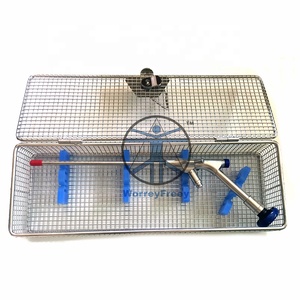
Autoclave Sterilization Tray for 6.3mm Spine Endoscope
Get Catalog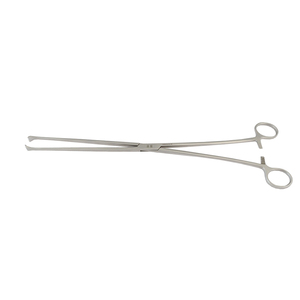
Precision Single-jointed Tissue Forceps
Get Catalog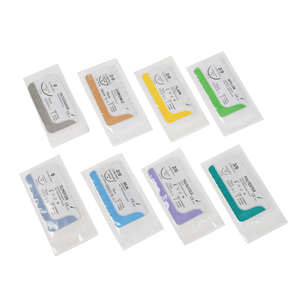
Medical Absorbable & Non-Absorbable Surgical Sutures (PGA/Silk/Nylon)
Get Catalog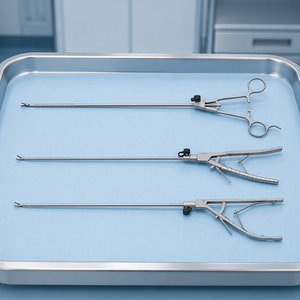
Autoclavable Gun Type Laparoscopic Forceps 5mm Curved Jaw
Get Catalog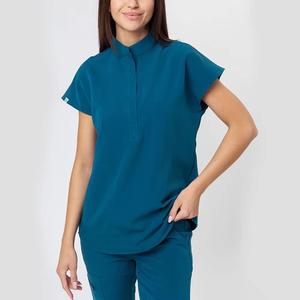
OEM Breathable Hospital Nursing Scrub Uniform Sets
Get Catalog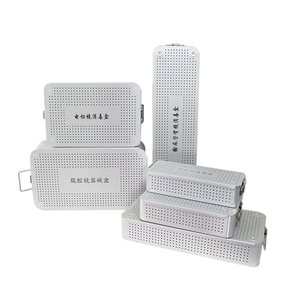
Heavy-Duty Sterilization Container Box Tray for Hysterectomy Sets
Get Catalog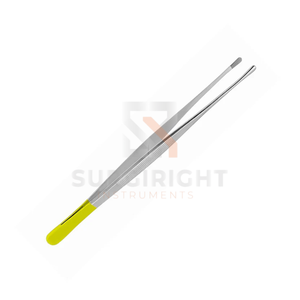
Tungsten Carbide (TC) Wangensteen Surgical Tissue Grasping Forceps
Get Catalog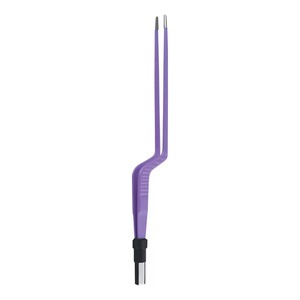
Bayonet 20cm European Tungsten Carbide Bipolar Electrosurgical Forceps
Get Catalog1. Executive Sourcing Guide: Leading Chinese Manufacturing Ecosystem for Surgical Speculums
As healthcare systems globally demand stringent quality metrics alongside cost containment, China’s medical device ecosystem has evolved from high-volume standardized fabrication into a precision-driven hub for advanced diagnostic and surgical instruments. Surgical speculums—essential access tools spanning gynecology, otolaryngology, proctology, and rhinology—represent a specialized intersection of ergonomic mechanical design, surface passivation engineering, and sterile optical clarity.
As an industry-leading manufacturer and exporter in China, our production facilities combine traditional metallurgical craftsmanship with modern CNC machining, progressive stamping, and cleanroom polymer injection molding. Whether supplying high-frequency reusable surgical-grade stainless steel speculums or single-use gamma-sterilized diagnostic variants, our operations align directly with international regulatory architectures, including EU MDR (2017/745), US FDA 510(k) registration pathways, and ISO 13485:2016 quality management standards.
Metallurgical Precision
Forged from premium AISI 304, 316L, and 420 martensitic stainless steel, ensuring high yield strength, corrosion immunity, and extreme autoclave cycle longevity.
Optical & Ergonomic Design
Engineered blade profiles feature smooth radius edges, anti-glare satin finishes, and dynamic tension ratchets to minimize patient discomfort while optimizing operative field exposure.
Integrated OEM/ODM Scale
Complete custom fabrication capabilities ranging from laser marking and specialized smoke evacuation channels to bespoke surgical set configuration.
2. Technical Classification & Metallurgical Engineering of Surgical Speculums
Selecting the optimal speculum configuration requires a granular understanding of anatomical access demands, mechanical stress vectoring, and sterilization protocols. Modern surgical speculums broadly fall into four major clinical categories, each engineered with precise mechanical articulation and material compositions.
| Speculum Category | Primary Clinical Applications | Material Construction | Key Engineering Features | Sterilization Compliance |
|---|---|---|---|---|
| Vaginal Speculums (Graves / Cusco / Pederson) | Gynecological examination, Pap smears, cervical biopsy, LEEP/LETZ procedures | AISI 304 Stainless Steel / Medical-Grade Virgin Polystyrene (PS) | Adjustable double-blade expansion, self-retaining thumb-nut ratchet, integrated smoke extraction ports | Autoclavable (134°C Steam) / EtO Sterilized (Single-Use) |
| Nasal Speculums (Killian / Vienna / Hartmann) | Rhinology, septum reconstruction, anterior rhinoscopy, foreign body removal | AISI 420 Martensitic Stainless Steel (Forged) | Spring-loaded self-opening handles, ultra-thin polished blade tips, ergonomic knurled grip | Autoclavable (134°C Steam / Dry Heat) |
| Rectal / Anal Speculums (Pratt / Sims / Kelly) | Proctology, anoscopy, sigmoidoscopy, hemorrhoidal treatment access | AISI 316L Surgical Grade Stainless Steel | Smooth spherical tip obturator, multi-blade lateral dilation mechanism, mirror-polished inner channel | Autoclavable / Chemical Cold Sterilization |
| Otological Speculums (Boucheron / Hartmann) | E.N.T. tympanic membrane diagnostic inspection, micro-otology surgery | Chrome-Plated Brass / Conductive Polymer | Attenuated glare matte inner surface, precision tapered oval distal tip, specula ring adaptors | Autoclavable / EtO Gas Clearance |
For reusable stainless steel variants, the metallurgical treatment involves controlled vacuum heat treatment to achieve a Rockwell hardness of 42-48 HRC. This eliminates mechanical deflection under tissue tension while preventing stress corrosion cracking (SCC). Passivation is performed in strict accordance with ASTM A967 and ISO 16061 protocols, forming a uniform passive chromium oxide ($Cr_2O_3$) layer that withstands over 1,000 autoclave cycles without surface degradation.
Information Gain: Smoke-Evacuation & Fiber-Optic Speculum Innovations
Traditional vaginal and proctological speculums often suffer from visual field occlusion caused by electrosurgical smoke or inadequate ambient light reflection. Our engineering team in China has pioneered dual-channel smoke evacuation speculums crafted specifically for LEEP (Loop Electrosurgical Excision Procedure). Featuring non-conductive autoclavable polymer coatings and streamlined extraction tube attachments, these instruments maintain 99.8% smoke clearance efficiency while safeguarding surgeons and patients against hazardous surgical plume aerosols.
3. Global Procurement Trends & Future Market Outlook (2025–2030)
As global healthcare procurement departments move toward risk-adjusted supply chain management, purchasing behaviors surrounding surgical speculums are experiencing three fundamental shifts:
1. Accelerated Adoption of Hybrid Sourcing Models: Hospitals and surgical centers are increasingly adopting a strategic dual-inventory approach. While high-complexity surgical procedures retain autoclavable premium stainless steel speculums due to their tactile feedback and rigidity, high-volume outpatient clinics are transitioning toward single-use, sterile polymer speculums. This mitigates cross-contamination risks, complies with stringent infection control standards (e.g., CDC and NHS guidelines), and eliminates hospital central sterile services department (CSSD) processing overheads.
2. Integration of Wireless LED & Digital Triage Capabilities: The traditional floor-standing examination light is rapidly being replaced by speculums featuring integrated cold-light LED pods and micro-camera adapters. These innovations enable real-time high-definition imaging of anatomical structures, seamless integration with Electronic Health Record (EHR) systems, and tele-gynecology diagnostic consultations.
3. Sustainability & Biodegradable Medical Polymers: Environmental regulations across Europe and North America are driving demand for eco-friendly single-use instruments. Future-ready Chinese exporters are at the forefront of developing medical-grade bio-based polymers and fully recyclable resin formulations that drastically reduce carbon footprints without compromising structural integrity or biocompatibility (ISO 10993 compliant).
4. Frequently Asked Questions (FAQ) for International Buyers & Distributors
Technical, Regulatory, and Commercial Insights for Procurement Officers
What stainless steel grades are utilized for surgical speculums?
We utilize medical-grade martensitic AISI 420 stainless steel for cutting and hinged speculum components requiring high mechanical hardness, and austenitic AISI 304/316L for structural blades to ensure maximum resistance against chemical corrosion and high-temperature steam sterilization.
Are your single-use disposable speculums toxicologically safe?
Yes. Our single-use speculums are molded from 100% virgin medical-grade polystyrene (PS) or polycarbonate (PC). They undergo rigorous ISO 10993 biocompatibility testing, ensuring zero cytotoxicity, skin sensitization, or systemic toxicity.
Can you provide custom private labeling and OEM packaging?
Absolutely. We offer comprehensive OEM/ODM services including precision fiber-laser logo engraving, customized color-coded handle inserts, custom blister pack configurations, and branded export outer cartons aligned with UDI (Unique Device Identification) barcoding standards.
What regulatory documentation accompanies bulk exports?
Every shipment is accompanied by complete regulatory portfolios: Certificates of Analysis (CoA), Passivation Test Reports, ISO 13485:2016 Quality Management Compliance, CE Declarations of Conformity, and EtO Sterilization Validation Certificates (ISO 11135).
How do you ensure smooth, burr-free surfaces on disposable speculums?
We utilize ultra-precision, mirror-polished injection molds equipped with automated hot-runner systems. Post-molding optical inspection systems verify that all tissue-contacting blade surfaces are free of flash, burrs, or micro-cracks.
What is the standard production lead time for OEM container orders?
Standard lead times for high-volume custom production range between 20 to 35 business days from sample approval and deposit confirmation. Accelerated freight logistics and warehousing arrangements are available upon request.
Partner with China’s Premier Surgical Speculums Manufacturer
Empower your hospital network or distribution portfolio with high-precision, certified medical instruments. Contact our engineering and export team today to receive complete technical datasheets and OEM quotations.
Get Catalog