
Precision Surgical Tissue Forceps Portfolio
ISO 13485 & CE Certified OR-Grade Forceps Engineed for General, Minimally Invasive, Veterinary, and Microsurgical Procedures
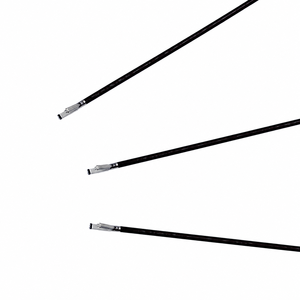
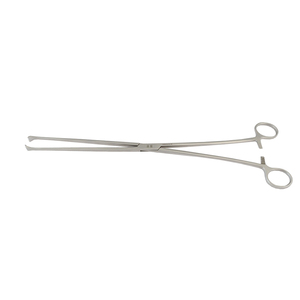
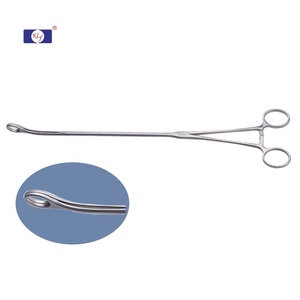
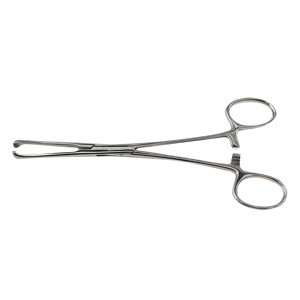
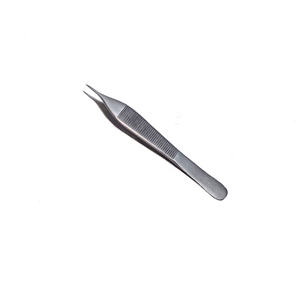
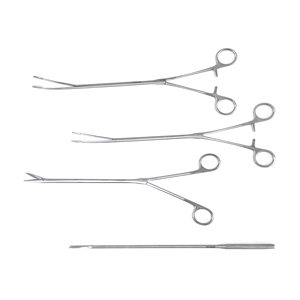
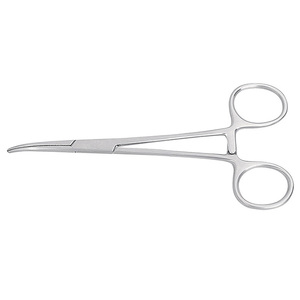
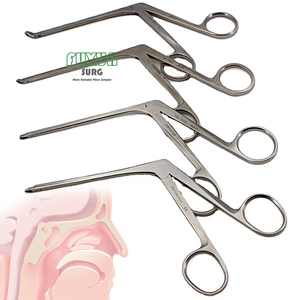
Engineering Excellence in Tissue Forceps Manufacturing
Tissue forceps represent the fundamental extension of a surgeon's hands. Whether securing delicate ophthalmic membranes, manipulating vascular bundles during minimally invasive video-assisted thoracoscopic surgery (VATS), or anchoring tough fascial layers in orthopedic procedures, tissue forceps require an exacting balance of tensile strength, micro-tactile feedback, corrosion resistance, and atraumatic jaw geometry. Leading manufacturers in China have evolved from traditional forging shops into automated high-precision bio-instrument hubs, establishing global benchmarks for OEM, ODM, and direct hospital supply chains.
The operational performance of surgical forceps depends primarily on metallurgy and post-forge thermal treatment. Reusable operating room (OR) grade forceps utilize martensitic and austenitic stainless steel alloys engineered to withstand rigorous chemical immersion, enzymatic cleaning, and steam sterilization under extreme pressure. Low-quality instruments often suffer from stress corrosion cracking, jaw misalignment, or spring hinge fatigue within weeks of clinical deployment. In contrast, premium Chinese surgical manufacturing facilities adhere strictly to ISO 13485 quality systems and international material specifications.
Technical Metallurgy Comparison Matrix for Surgical Instruments
Procurement teams evaluate suppliers based on raw material integrity and surface passivation compliance. The table below illustrates the structural parameters governing premium tissue forceps production:
| Steel Grade Standard | Hardness Range (HRC) | Primary Clinical Application | Autoclave Endurance Rating | Passivation & Corrosion Compliance |
|---|---|---|---|---|
| AISI 420 (German Grade 1.4021) | 48 - 52 HRC | General Surgery, Micro-Adson, Rat Tooth Forceps | 500+ Steam Autoclave Cycles | ASTM F1089 Boiling & Copper Sulfate Tested |
| AISI 410 (German Grade 1.4006) | 42 - 46 HRC | Single-Jointed Forceps, Utility Clamps, ENT Forceps | 300+ Steam Autoclave Cycles | ISO 7153-1 Biocompatibility Compliant |
| Tungsten Carbide (TC) Inserts | 65 - 70 HRC | DeBakey Atraumatic Teeth, High-Grip Tissue Jaw Tips | 800+ Sterilization Cycles | Gold-Plated Handle Identification Standard |
| AISI 316L (Medical Grade) | 25 - 30 HRC | Laparoscopic 3mm Cannula Shafts & VATS Tubing | 1000+ Cycles (Ultra-Corrosion Resistant) | ASTM A967 Citric/Nitric Passivated |
Precision manufacturing begins with drop-forging under computer-controlled thermal parameters. Once forged, the raw instrument blanks undergo high-precision 5-axis CNC milling to shape box locks, single joints, and spring handles. For micro-instruments such as Adson or Ellis ophthalmic forceps, tooth alignment must be zero-tolerance under 10x magnification. The 1x2 or 2x3 interlocking teeth must interlock seamlessly without binding or causing unintended tissue shear when engaged by the surgeon.
Micro-Engineering Innovations & Technology Trends
Next-Generation Technological Vectors Shaping Global Medical Device Procurement
3mm Micro-Laparoscopy & VATS Integration
Surgical shifts toward ultra-minimally invasive techniques demand 3mm and 5mm rotatable tissue graspers. Modern laparoscopic forceps feature 360-degree fingertip rotation wheels, non-locking responsive springs, and modular insulation sheaths designed for electrosurgical safety.
DeBakey & Tungsten Carbide Jaw Bonding
Atraumatic tissue handling relies on DeBakey micro-serrations and vacuum-brazed Tungsten Carbide jaw inserts. These surface treatments prevent slippage of fine arterial walls and nerve sheaths while minimizing localized crushing trauma during extended procedures.
UDI Laser Marking & Digital Traceability
Compliance with FDA UDI (Unique Device Identification) and European MDR standards requires deep fiber-laser annealing. Manufacturers embed high-density 2D DataMatrix codes into forceps handles to support automated sterile processing workflow tracking.
Strategic Procurement & Global Supply Chain Trends (2026–2030 Horizon)
The global market for surgical and veterinary tissue forceps is undergoing a structural transition. Healthcare supply chain management teams, Group Purchasing Organizations (GPOs), and OEM brand owners face mounting pressures: stringent regulatory oversight (EU MDR 2017/745, US FDA 510k), rising reprocessing costs, and demands for supply chain resilience. Sourcing from top-tier Chinese manufacturers provides strategic advantages in scalability, cost-to-quality ratios, and customized product development.
1. The Shift Toward Dual-Cluster Manufacturing Synergy
Historically, the surgical instrument market was split between Western European precision workshops (Sialkot legacy crafts & Tuttlingen clusters) and Asian mass-production centers. Today, leading Chinese manufacturers have integrated heavy capital investments in CNC machining centers, automated polishing robotics, and vacuum heat treatment furnaces while maintaining traditional hand-dressing expertise. This hybrid model allows high-volume production of complex items—such as rhinology ENT Blakesley nasal forceps or TPLO veterinary orthopedic graspers—at costs 40% to 60% below European equivalents, without compromising tactile fidelity or structural longevity.
2. Sustainability vs. Single-Use Disposable Dynamics
While single-use disposable instruments gained traction due to immediate infection-control convenience, hospital sustainability mandates (ESG goals) and financial calculations are renewing interest in high-grade reusable OR instruments. A premium AISI 420 stainless steel Adson tissue forcep can endure over 500 autoclave cycles at an amortized cost per procedure of less than $0.05, compared to $3.00–$8.00 per single-use disposable unit. Top manufacturers now offer hybrid solutions: modular reusable forceps handles paired with replaceable tip inserts, maximizing economic and environmental performance.
3. Total Cost of Ownership (TCO) Evaluation Framework
Smart healthcare procurement extends beyond initial unit price. Purchasing directors evaluate prospective suppliers across four core pillars:
- Structural Yield & Defect Rates: Low-grade forceps feature soft jaws that warp under pressure. Premium suppliers guarantee jaw alignment tolerances within ±0.02mm across full production lots.
- Passivation & Corrosion Resistance: Micro-pitting caused by substandard chemical passivation creates bacterial reservoirs. Certified chemical passivation (ASTM A967) creates a passive chromium oxide layer that halts oxidation in high-humidity sterilization environments.
- OEM & Private Label Agility: Suppliers offering custom laser branding, specialized satin/mirror surface finishes, tailored packaging, and custom tray configurations reduce distributor time-to-market.
- Regulatory Documentation Transparency: Direct availability of ISO 13485 audit reports, Material Test Certificates (MTC), and Declarations of Conformity speeds up medical device registration in regional markets.
B2B Sourcing & Technical FAQ
Direct Answers to Critical Procurement, Manufacturing, and Quality Assurance Questions
Q: How do tooth configurations (1x2, 2x3, DeBakey) impact tissue tissue selection?
1x2 rat-tooth configurations provide aggressive purchase on dense fascial tissue and skin without slipping. 2x3 teeth distribute mechanical pressure over a broader surface for heavier muscular tissue. DeBakey atraumatic teeth feature micro-interlocking ribbing designed specifically to hold delicate vascular and organ walls without puncturing or causing localized tissue necrosis.
Q: What passivation processes ensure zero rust over hundreds of autoclave cycles?
Our manufacturing workflow utilizes an automated multi-stage citric and nitric acid passivation system complying with ASTM A967 standards. This chemical treatment strips free iron particles from the instrument surface, forming a dense, self-healing chromium oxide passive film that prevents pitting and oxidation during high-temperature steam sterilization.
Q: Can you support OEM engineering based on custom CAD drawings or physical samples?
Yes. We offer end-to-end OEM and ODM services. Our engineering team converts physical prototypes or 3D STEP/CAD files into precision tooling paths for 5-axis CNC machining. We maintain strict Non-Disclosure Agreements (NDAs) to protect proprietary client designs and distributor brand exclusivity.
Q: What quality documentation accompanies international export orders?
Every shipment is backed by comprehensive regulatory documentation, including ISO 13485 quality management certificates, CE Declarations of Conformity, Raw Material Batch Mill Test Reports, Hardness Verification Certificates, and Certificate of Origin (Form E/Form A) documentation for customs clearance.
Q: How are tissue forceps tested for mechanical alignment and spring tension before dispatch?
100% of finished instruments undergo manual and optical inspection. Technicians verify jaw tip alignment under optical magnification, measure spring open/close actuation resistance to prevent hand fatigue, and conduct destructive sample testing for tensile strength and joint stress endurance.
Q: What are your Minimum Order Quantity (MOQ) and private labeling options?
We accommodate both trial distributor batches and high-volume government tender orders. Private labeling—including high-precision fiber laser engraving of brand logos, SKU item numbers, and UDI barcodes—is supported with low MOQ thresholds starting from 50 to 100 units per item code.
Enterprise Manufacturing Infrastructure & Global OEM Partnering
Selecting a direct manufacturing partner in China requires complete transparency into production capacity, quality assurance protocols, and logistics execution. Our state-of-the-art facility combines deep metallurgical heritage with modern automated production lines, serving medical distributors, hospital networks, and veterinary brand owners in more than 120 countries worldwide.
Core Competitive Superiority:
- Full-Cycle Vertical Integration: From raw bar-stock inspection and hot drop-forging to CNC milling, hand dressing, thermal hardening, polishing, chemical passivation, and final sterile-ready packaging, every phase is controlled under one ISO 13485 certified quality management ecosystem.
- Ergonomic & Anatomical Precision: Working alongside practicing surgeons and clinical consultants, our instrument patterns feature balanced weight distribution, tactile spring tension, and non-glare satin finishes designed to mitigate fatigue during long operating room procedures.
- Comprehensive Multi-Specialty Catalog: We manufacture over 8,000 distinct instrument patterns across general surgery, micro-ophthalmic, VATS thoracoscopy, ENT rhinology, dental surgery, and TPLO veterinary orthopedic procedures, allowing centralized order consolidation.
- Lifetime Workmanship Guarantee: Every reusable OR-grade tissue forcep manufactured in our facilities carries a lifetime warranty against material defects and structural failure under standard clinical usage and reprocessing protocols.
Whether you are establishing a new private-label surgical line, bidding on regional healthcare supply tenders, or upgrading existing hospital instrument sets, our engineering and export teams provide full technical support, rapid sample prototyping, and scalable manufacturing output.
Connect with China's Premier Tissue Forceps Manufacturer
Contact our engineering and procurement sales department today to request complete product catalogs, volume wholesale pricing, OEM custom quotes, or evaluation samples.