Featured Precision Medical & Surgical Tools
Explore our core contract-manufactured surgical instruments engineered for acute surgical procedures, central sterile services (CSSD), and clinical specialties.
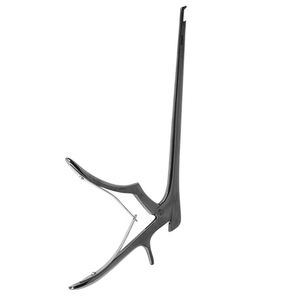
Manual Kerrison Rongeur Kit for Neurosurgery Spine Stainless Steel Surgical Instrument for the Surgical Room
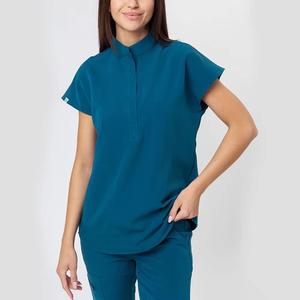
OEM Short Sleeve Top Jogger Pants Medical Surgical Uniform Breathable Hospital Nursing Scrub Uniforms Men Women Scrubs Nurse Set
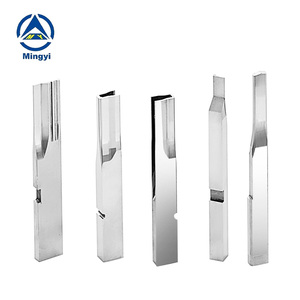
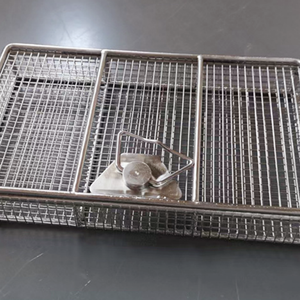
OEM Custom 304 Stainless Steel Wire Mesh Sterilization Basket Disinfection Instrument Tray Stackable Metal Storage Organizer
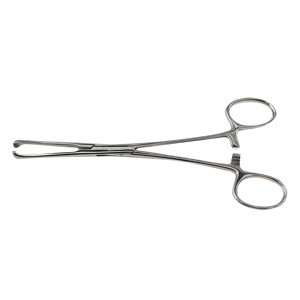
Stainless steel ophthalmic tissue forceps Ellis forceps micro surgical instrument stainless steel rat's teeth forceps
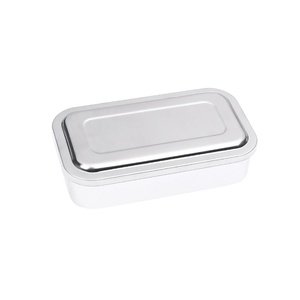
BR-SS88 SS201 High Quality Hospital Surgical Instrument Stainless Steel Trays With Lids Sterilization Box
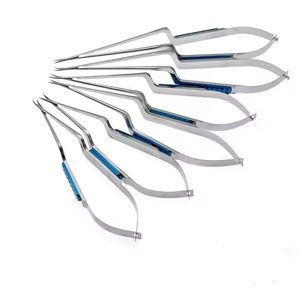
Professional Stainless Steel Manual Micro Neurosurgery Scissors Dental Surgical Instruments Ergonomic Grip CE Certified Class I
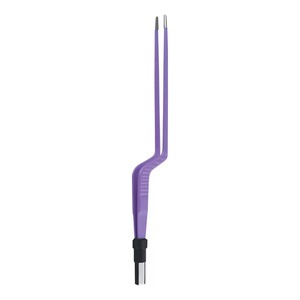
The Science of Surgical Steel: Metallurgy, Passivation, and Mechanical Integrity
In the operating theatre, an instrument is an extension of the surgeon's hands. Structural micro-fractures, premature jaw alignment slip, or surface pitting during autoclaving can compromise patient outcomes. OEM manufacturing requires uncompromising raw material selection and metallurgical control.
Martensitic & Austenitic Alloys
We source certified medical-grade stainless steel compliant with ASTM F899 and ISO 7153-1. Cutting tools utilize high-carbon Martensitic steel (AISI 410, 420, 440C / DIN 1.4021, 1.4117) achieving Rockwell hardness of HRC 50–58 for enduring edge retention. Non-cutting structural tools leverage corrosion-resistant Austenitic steel (AISI 304, 316L).
Chemical Passivation & Chromium Oxide Layer
Raw machining disrupts the passive layer of stainless steel. Our automated citric and nitric passivation lines (ASTM A967 compliant) remove free iron contaminants from the instrument surface, generating a self-healing Chromium Oxide (Cr₂O₃) protective film that withstands rigorous 134°C steam autoclave cycles without pitting.
Tungsten Carbide (TC) & Surface Coatings
For extreme longevity, our needle holders and surgical scissors feature vacuum-brazed Tungsten Carbide (TC) jaw inserts (hrc 70+), identified by gold-plated ring handles. Advanced PVD ceramic coatings (TiN, DLC) are applied for electrosurgical non-stick insulation and anti-glare matte finishes in high-luminosity surgical environments.
OEM Procurement Benchmark: Raw Material Verification
Every batch of raw stainless steel forged at DR MIRZA undergoes Optical Emission Spectrometry (OES) chemical analysis and ultrasonic flaw detection. Procurement teams receive full Material Test Reports (MTR) according to EN 10204 3.1 certificates with every mass production batch, guaranteeing traceability from raw ingot to finished surgical tray.
End-to-End Custom OEM/ODM Instrument Manufacturing
From 2D CAD engineering drawings to custom physical prototypes, our turnkey OEM/ODM services enable medical brand owners, hospital networks, and distributors to bring proprietary clinical devices to market seamlessly.
Blueprint & CAD Modeling
Translating clinical intent into SolidWorks 3D models. Critical tolerances, ergonomics, jaw serrations, box lock geometry, and tension balances are specified by specialized medical device engineers.
Precision Die Forging
Utilizing high-tonnage friction screw presses to drop-forge surgical blanks. Proper grain structure orientation during hot forging prevents stress fractures under heavy surgical loads.
CNC Machining & Milling
Multi-axis CNC milling machines establish precision box-locks, ratchet teeth, screw joints, and fine serrations with sub-micron repeatable accuracy for standardized batch uniformity.
Vacuum Heat Treatment
Computer-controlled vacuum heat treatment and multi-stage tempering cycles relieve internal mechanical stress and impart exact spring tension and hardness parameters.
Artisanal Hand Finishing
Sialkot's master craftsmen set scissor shear angles, balance forcep tip alignment under magnification, and hand-polish working surfaces to satin or mirror finishes.
Laser Marking & Packaging
Fiber laser engraving applies high-resolution UDI barcodes, custom brand logos, catalog reference numbers, and batch lot tracking prior to cleanroom packing.
Why Global Procurement Leaders Partner with DR MIRZA
Rooted in Sialkot—the world's capital of surgical craftsmanship—DR MIRZA combines century-old hand forging traditions with modern ISO 13485 quality systems and international export compliance.
01. ISO 13485:2016 & CE Marking Compliance
Our comprehensive Quality Management System is audited for ISO 13485:2016 and ISO 9001:2015 certifications. Products comply with European Medical Device Regulation (EU MDR 2017/745) Class I and II classifications, simplifying regulatory registration for global distributors.
02. Doctor-Founded Clinical Insight
Established by Dr. Inam ul Haq Mirza, our factory's core philosophy bridges clinical utility with manufacturing capability. We evaluate tactile feedback, weight distribution, and functional ergonomics from an operating physician’s perspective.
03. Factory-Direct Cost Competitiveness
By eliminating commercial intermediaries, regional agents, and trading markups, DR MIRZA delivers direct factory pricing. Tiered wholesale pricing schedules provide high margins for private label brands and hospital tender bids.
04. Written Lifetime Guarantee
Every reusable OR-grade instrument carrying our manufacturer mark or your OEM private label is backed by a lifetime guarantee against manufacturing defects, structural failures, or material corrosion during normal clinical usage.
Global Surgical Instrument Sourcing & Procurement Trends
The global medical device market is undergoing structural shifts driven by infection control regulations, cost optimization, and supply chain resilience. Key trends defining surgical instrument procurement include:
1. Hybrid Sourcing Models (Reusable vs. Sterile Single-Use)
Hospitals are optimizing CSSD (Central Sterile Supply Department) bottlenecks by adopting hybrid sourcing strategies. High-volume general surgeries rely on heavy-duty, reusable OR-grade instruments with high autoclave tolerance, while emergency departments, outpatient clinics, and suture kits increasingly favor pre-sterilized single-use disposable tools to eliminate cross-contamination risk and reprocessing overhead.
2. UDI Traceability & Digital CSSD Integration
Regulatory authorities (US FDA & European EUDAMED) mandate Unique Device Identification (UDI) for surgical devices. Global buyers now demand direct 2D DataMatrix laser etching on instrument shanks to facilitate automated asset tracking, cycle count monitoring, and sterile processing compliance across hospital networks.
3. Demand for Specialized Micro-Surgical & Titanium Tools
With the expansion of minimally invasive surgery (MIS), neurosurgery, and ophthalmic microsurgery, procurement budgets are shifting toward ultra-lightweight titanium alloys and fine micro-forceps/scissors featuring delicate 0.1mm working tips, non-magnetic properties, and ergonomic balance.
4. Contract OEM Consolidation in Sialkot
Western medical brand owners are streamlining their supply chains by transitioning contract manufacturing to vertically integrated OEM factories in Sialkot that offer in-house forging, heat treatment, passivation, laser marking, and custom tray assembly under unified ISO 13485 certification.
Technical Specification & Instrument Grade Comparison
Compare instrument categories to align raw material selection, heat treatment levels, and cost parameters with your clinical or market requirements.
| Specification Feature | Premium OR-Grade Reusable | Standard Clinical / Diagnostic | Sterile Single-Use Disposable |
|---|---|---|---|
| Steel Metallurgy | AISI 410 / 420 Martensitic or German Steel (DIN 1.4117) | AISI 410 / 304 Stainless Steel | AISI 410 / 201 Commercial Grade Stainless |
| Hardness Rating | HRC 50 – 58 (TC inserts HRC 70+) | HRC 42 – 48 | HRC 38 – 44 |
| Passivation Standard | ASTM A967 Citric/Nitric (1000+ Autoclave Cycles) | Standard Chemical Passivation | Basic Cleaning / Non-Autoclavable |
| Surface Finish Options | Satin Anti-Glare, Mirror Polish, PVD Black/Gold | Satin / Mirror Polish | Tumble Finished / Semi-Bright |
| Traceability & Marking | Laser Engraved UDI 2D DataMatrix + Custom OEM Logo | Laser Engraved CE / Part Number | Inkjet / Basic Stamp Marking |
| Target Application | Acute Hospitals, Operating Theatres, Specialty Surgery | General Dental Clinics, Outpatient Care, CSSD Trays | Emergency Rooms, First Aid Kits, Disaster Relief |
Frequently Asked Questions by OEM Buyers & Distributors
Direct technical answers regarding order minimums, OEM private labeling, regulatory documentation, and export logistics.
What medical and surgical instruments does DR MIRZA manufacture?
Are your instruments certified to international quality and regulatory standards?
What steel grades and raw materials are used in manufacturing?
Do you offer custom OEM contract manufacturing and private labeling?
What is the typical Minimum Order Quantity (MOQ) for custom OEM orders?
Can I request evaluation samples prior to placing a bulk tender or OEM order?
What testing protocols are performed to ensure corrosion resistance?
How are international shipments, export documentation, and logistics managed?
Partner with Sialkot's Premier OEM/ODM Instrument Factory
Whether you are consolidating hospital tenders, developing custom surgical sets, or expanding your private label catalog, our technical sales engineers are ready to assist with quotations, material specs, and sample dispatch.