Precision Medical Manufacturing, Micro-Anatomical Tooling & Global Compliance Whitepaper
Featured Pediatric & OEM Surgical Product Catalog
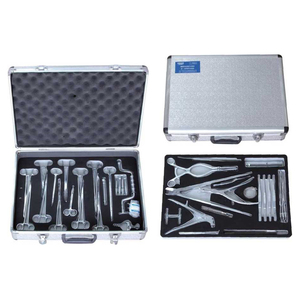
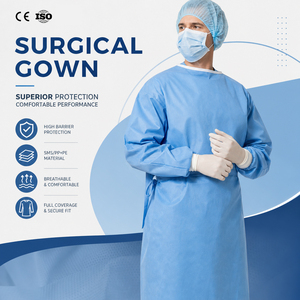
Explore our ISO 13485 & CE certified surgical instrumentation, micro-forceps, sterilization containers, and protective clinical apparel manufactured for global supply chains.
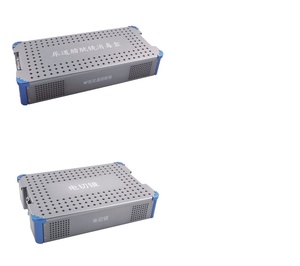
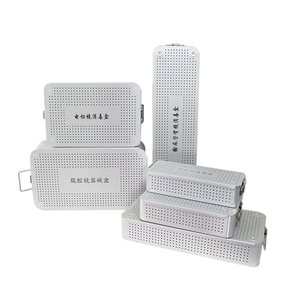
Aluminium Customized Surgical Stainless Steel Sterilization Case
Whitepaper: Engineering Precision for Pediatric Surgical Tooling
An authoritative analysis of micro-anatomical requirements, metallurgical standards, and global OEM/ODM manufacturing paradigms for pediatric and neonatal surgery.
Pediatric surgery represents one of the most demanding sub-specialties within modern healthcare. Unlike adult general surgery—where organ structures and vascular pathways offer relatively larger working distances and higher physiological tolerance—pediatric, pediatric cardiothoracic, and neonatal surgical procedures operate within micro-millimetric corridors. Performing procedures on premature infants or young children requires instrumentation that is not merely downsized from adult patterns, but fundamentally re-engineered in weight distribution, fulcrum mechanics, tip clearance, and tactile feedback.
As a leading OEM/ODM Pediatric Surgical Instruments Factory and Global Exporter rooted in Sialkot’s world-renowned surgical metallurgy hub, DR MIRZA Medical Instruments bridges the gap between clinical intent and industrial precision manufacturing. With medical device quality management systems certified to ISO 13485, ISO 9001, and full CE marking compliance, our manufacturing facilities specialize in custom contract manufacturing, private-label branding, and procedure-specific kit development for tier-1 hospital procurement groups, medical supply brands, and global surgical tenders.
Micro-Ergonomic Physics
Pediatric surgical tools feature recalibrated pivot points and spring tension tailored to micro-tactile sensation, reducing hand fatigue during prolonged microsurgery.
ASTM F899 Metallurgy
Forged from premium German and Japanese martensitic stainless steels (AISI 410, 420, 316L), providing high tensile strength and rust passivity.
Autoclave Durability
Built to withstand thousands of high-temperature steam sterilization cycles (134°C) without joint loosening, jaw misalignment, or surface pitting.
The primary challenge in manufacturing OEM pediatric surgical instruments lies in maintaining structural rigidity while dramatically reducing blade thickness and jaw surface area. When scaling down an adult hemostatic forceps or dissecting scissor to a pediatric variation (such as 10 cm to 12 cm patterns), standard proportional shrinkage results in weak fulcrums or overly flexive working tips.
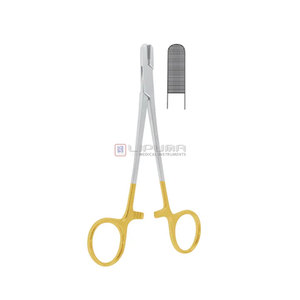
To solve this physiological and physical bottleneck, our engineering teams employ micro-milling CNC processes alongside hand-forged box-lock joints. By controlling the heat-treatment process to achieve a Rockwell Hardness (HRC) of 48 to 52 for cutting instruments and HRC 42 to 46 for grasping forceps, we guarantee that pediatric needle holders, micro-forceps, and wire twisting instruments retain structural elasticity while achieving zero jaw deflection under tension.
Instrument Discipline
Raw Material Grade
Hardness Range (HRC)
Surface Passivation Standard
Primary Application
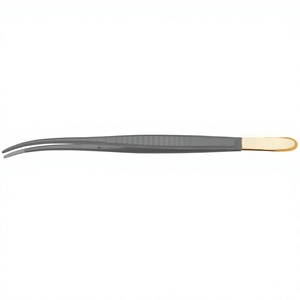
Pediatric Micro Forceps
AISI 420 / German Stainless
45 - 48 HRC
ASTM A967 Citric Acid
Neonatal Tissue Manipulation
Tungsten Carbide Scissors
AISI 410 + TC Gold Inserts
55 - 58 HRC (Insert)
ISO 13402 Boiling Test
Delicate Micro-Dissection
Monopolar Onyx Forceps
Medical Grade Stainless + Insulated Polymer
42 - 45 HRC
ASTM F899 Biocompatible
Electro-Coagulation & Hemostasis
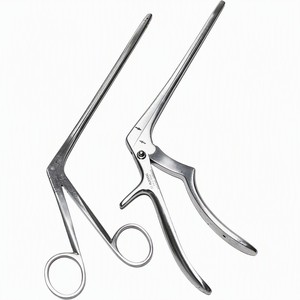
ENT Crocodile Forceps
AISI 316L / AISI 420
44 - 47 HRC
Electro-Passivated Matte
Pediatric Otology & Nasal Surgery
Sterilization Trays & Cases
Anodized Aluminum / AISI 304
N/A (Corrosion Proof)
ISO 17664 Validation
Autoclave Instrument Protection
Future Industry & Procurement Trends (2025–2030)
Navigating technological shifts, regulatory compliance, and economic models in global healthcare supply chains.
As hospital procurement departments, regional healthcare authorities, and international medical device brands evaluate their multi-year vendor contracts, several macro trends are reshaping the OEM/ODM pediatric surgical instrument marketplace:
1. Micro-Laparoscopy & Minimally Invasive Surgery (MIS)
The global shift toward 2mm and 3mm pediatric laparoscopic tools requires OEM factories to integrate advanced 5-axis CNC machining, micro-laser welding, and specialized dielectric polymer insulation to prevent thermal tissue damage.
2. Hybrid Single-Use & Reusable Equipment Models
While operating rooms maintain reusable OR-grade stainless steel sets for core pediatric procedures, emergency departments are adopting single-use, sterile-packed disposable instruments to eliminate cross-infection risks and reduce reprocessing overhead.
3. EU MDR 2017/745 & UDI Traceability
Regulatory authorities in Europe, North America, and the GCC now require direct Unique Device Identification (UDI) laser etching on every surgical instrument. Our ODM lines integrate fiber-laser matrix marking for automated hospital asset tracking.
Why International Buyers Partner with DR MIRZA
Combining the heritage of Sialkot surgical craftsmanship with rigorous clinical insight and modern industrial scalability.
Founded by Dr. Inam ul Haq Mirza—a medical professional who recognized the clinical necessity for superior tactile responsiveness in surgical instrumentation—DR MIRZA Medical Instruments operates as both a direct manufacturer and a strategic contract partner. Operating out of Sialkot, Pakistan, our modern facility combines centuries-old forging expertise with cleanroom packaging and advanced testing labs.
Comprehensive Lifetime Guarantee
Every reusable surgical tool manufactured in our plant is covered by a lifetime warranty against material flaws, corrosion failure, and structural workmanship defects.
Custom OEM & Private Label Branding
We provide full private label solutions including customized logo laser engraving, bespoke packaging design, custom tray arrangement, and catalog creation for global distributors.
Global Export Infrastructure
Exporting to over 120 countries across North America, the EU, UK, Middle East, and Asia-Pacific with complete export documentation, Certificate of Conformance, and customs support.
Frequently Asked Questions (Procurement FAQ)
Key information for hospital buyers, tender managers, and medical instrument distributors.
What sets pediatric surgical instruments apart from adult surgical patterns?
Pediatric surgical instruments are specifically engineered for smaller anatomical scales and delicate tissue structures. Beyond physical size reduction, pediatric instruments feature refined pivot points, lighter spring tension to prevent tissue trauma, micro-serrated jaws for slip-free grip, and ultra-fine working tips that afford maximum line-of-sight for surgeons working under optical magnification.
Does your manufacturing facility support custom OEM tooling and rapid prototyping?
Yes. As a direct OEM/ODM manufacturer, DR MIRZA produces custom instruments based on technical CAD drawings, physical samples, or surgeon-led concepts. Our engineering department creates pre-production prototypes for approval prior to full production runs.
What quality management certifications and compliance standards do you hold?
Our factory operates strictly under ISO 13485 (Medical Devices Quality Management System) and ISO 9001 quality frameworks. Our products comply with European CE Marking regulations and meet ASTM F899 standards for surgical stainless steel alloys.
Which stainless steel grades are utilized for your pediatric instruments?
We use high-purity medical-grade stainless steel alloys, predominantly martensitic AISI 410 and 420 for cutting and grasping instruments, and austenitic AISI 304/316L for non-cutting components and sterilization containers. German-imported stainless steel is available upon request for premium instrument lines.
What options are available for private labeling and customized packaging?
We offer turnkey private labeling services, including high-precision fiber laser marking of distributor brand logos, SKU item numbers, and UDI barcoding directly onto instruments. Customized packaging options include branded box kits, blister packs, pouches, and customized sterilization trays.
How do you ensure corrosion resistance and passivation performance?
Every instrument undergoes electrochemical polishing and citric or nitric acid passivation in accordance with ASTM A967 guidelines. Finished lots undergo rigorous quality assurance testing, including the ISO 13402 boiling test and salt spray testing, to verify corrosion resistance before packaging.
What is your typical lead time for OEM contract manufacturing orders?
Standard sample evaluation takes approximately 10 to 14 business days. Volume production lead times typically range from 4 to 6 weeks depending on batch size, complexity, and custom laser etching requirements. Expedited schedules are available for urgent hospital tenders.
How can procurement managers request pricing and sample evaluations?
You can request a direct quote by submitting your required product codes, specifications, and volume estimates through our instant online quote system by clicking the button below, or emailing our export team at [email protected].
Partner with a Premier Pediatric Instrument Exporter
Request custom OEM quotations, request technical catalogs, or schedule a sample evaluation with our export engineering team today.