Featured Autoclavable Medical Instruments
Explore our flagship range of high-precision surgical instruments, endoscopes, and sterilization accessories engineered to withstand repeated steam vacuum autoclaving cycles at 134°C without physical or mechanical degradation.
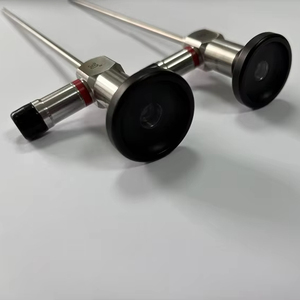
Industry Whitepaper: Sourcing Autoclavable Medical Instruments in 2025
In modern healthcare infrastructure, infection control and instrument longevity represent the dual pillars of operating room efficiency and patient safety. Hospital procurement officers, surgical instrument distributors, and OEM medical device importers face increasingly stringent regulatory hurdles under the European Union Medical Device Regulation (EU MDR 2017/745) and US FDA 510(k) clearances. At the center of this compliance ecosystem lies a critical requirement: the ability of reusable surgical, dental, and diagnostic tools to endure repeated thermal and moisture stress through high-pressure steam autoclaving without exhibiting micro-fissures, galvanic corrosion, or mechanical jaw misalignment.
Autoclaving—typically executed at 121°C (250°F) for 30 minutes or 134°C (273°F) for 4 to 5 minutes under high-pressure saturated steam—demands exceptional metallurgical integrity. Subpar stainless steel formulations, improper passivation treatments, or inadequate heat-treatment protocols lead to premature rusting, edge dulling, joint stiffness, and eventual catastrophic failure during surgical procedures. Sourcing from accredited, high-tier factories capable of implementing rigorous ISO 13485-compliant quality management systems is no longer just a cost-saving measure; it is a fundamental strategic imperative for healthcare enterprises worldwide.
Metallurgical Science & Autoclave Resistance Engineering
To evaluate the top manufacturing factories and exporters of autoclavable medical devices, procurement teams must understand the raw material specifications and chemical finishing processes that separate medical-grade surgical steel from lower-tier commercial alloys.
1. Martensitic & Austenitic Stainless Steel Alloys
Premium autoclavable surgical tools rely predominantly on martensitic stainless steels, specifically AISI 410, AISI 420, and AISI 440C, for cutting instruments (scissors, scalpel handles) and gripping tools (hemostatic forceps, needle holders). These alloys feature a higher carbon content (0.15% to 1.20%) combined with 12% to 18% chromium, allowing them to achieve high Rockwell hardness (HRC 48-56) through precise quenching and tempering. For non-cutting, highly corrosion-resistant components like sterilization trays, mesh cassettes, and retractor frames, Austenitic AISI 304 and 316L alloys are preferred due to their superior nickel content and resistance to stress corrosion cracking.
2. Passivation & Chromium Oxide Surface Protection
The primary defense against steam-induced oxidation during autoclaving is a continuous, microscopic layer of chromium oxide ($Cr_2O_3$). During production, after mechanical forging, CNC milling, and hand grinding, instruments must undergo chemical passivation according to ASTM A967 / ISO 16061 standards. Nitric acid or citric acid baths strip free iron particles from the instrument surface, enriching the chromium-to-iron ratio on the outermost atomic layer. Without rigorous passivation, micro-iron deposits oxidise rapidly inside steam chambers, creating pitting corrosion.
3. Tungsten Carbide (TC) Inlays & PVD Coatings
For high-wear applications, such as surgical needle holders and mayo scissors, leading manufacturers braze Tungsten Carbide (TC) inserts onto working tips. Additionally, Physical Vapor Deposition (PVD) titanium nitride (TiN) or Diamond-Like Carbon (DLC) coatings are increasingly applied to laparoscopic jaws and endoscopic shears to increase surface hardness above 2000 HV, reducing friction and extending autoclave life cycles to over 1,000 cycles.
| Material Grade | Primary Application | Chromium / Carbon Ratio | Autoclave Cycle Endurance | Corrosion Resistance |
|---|---|---|---|---|
| AISI 420 / German Stainless | Surgical Scissors, Hemostats, Forceps | 12.0 - 14.0% Cr / 0.15 - 0.40% C | 500+ Cycles (134°C) | High (Requires Passivation) |
| AISI 440C | Bone Drills, Chisels, High-Edge Cutters | 16.0 - 18.0% Cr / 0.95 - 1.20% C | 400+ Cycles (134°C) | Moderate-High |
| AISI 316L (Austenitic) | Sterilization Cassettes, Implants | 16.0 - 18.0% Cr / 10-14% Ni | 2,000+ Cycles (134°C) | Exceptional (Pitting Resistant) |
| Tungsten Carbide (TC) Inlay | Needle Holders, Fine Tissue Shears | WC-Co Matrix Inserts | 800+ Cycles (134°C) | Superior Wear Resistance |
Evaluation Matrix: Identifying World-Class Autoclavable Instrument Exporters
When conducting international supplier audits, hospital procurement groups and global medical device brands utilize a structured evaluation matrix to rank manufacturers across global clusters including Sialkot (Pakistan), Tuttlingen (Germany), Jiangsu (China), and Maine (USA). The top 10 exporters excel across six essential operational pillars:
1. Quality Management & Regulatory Certifications
Verification of active ISO 13485:2016 certification, CE marking under EU MDR, US FDA registration, and compliance with ISO 7153-1 (surgical instrument material specifications).
2. Forging & Precision CNC Machining
In-house drop forging capabilities paired with 5-axis CNC machining, ensuring tight dimensional tolerances for box locks, ratchets, and laparoscopic shaft mechanisms.
3. Autoclave Simulation & QA Testing
Destructive and non-destructive batch testing including boiling water tests (ASTM F1089), copper sulfate dip testing, and multi-cycle steam chamber stress testing.
4. OEM & Private Label Customization
Capabilities for custom fiber laser marking (UDI compliance, serial numbers, brand logos), custom tray configurations, and custom instrument geometry prototyping.
5. Global Logistics & Export Compliance
Proven track record of export documentation clearance across 100+ countries, incorporating sterile barrier packaging and compliant shipping customs support.
6. Total Cost of Ownership (TCO) & Warranty
Competitive factory-direct pricing structures backed by written multi-year or lifetime guarantees against manufacturing defects and stress failures.
Enterprise Profile: DR MIRZA Medical Instruments — Leadership in Sialkot
Standing at the pinnacle of the global medical instrument export industry is DR MIRZA Medical Instruments, headquartered in Sialkot, Pakistan—the recognized capital of global surgical tool craftsmanship. Founded by Dr. Inam ul Haq Mirza, a medical professional who recognized the vital necessity for ergonomically refined, high-durability surgical devices, the enterprise seamlessly connects clinical feedback with industrial manufacturing excellence.
1. Comprehensive Product Spectrum
DR MIRZA’s product portfolio addresses every major surgical and diagnostic field:
- OR-Grade General Surgical Instruments: Micro-dissecting scissors, hemostats, Crile clamps, DeBakey vascular forceps, Mayo-Hegar needle holders, and self-retaining retractor systems.
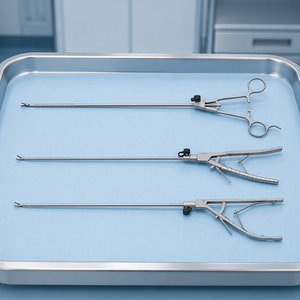
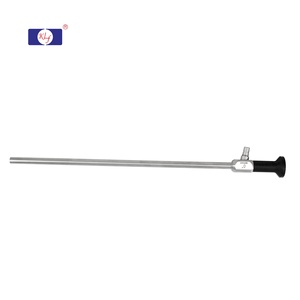
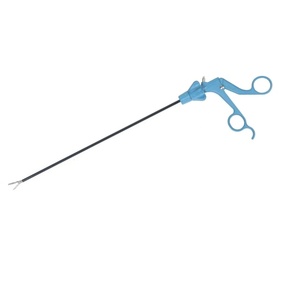
- Minimally Invasive Surgery (MIS) & Endoscopy: Autoclavable 5mm & 10mm rigid laparoscopes (0° and 30° optics), gun-type rotating forceps, sinuscopes, and electrosurgical bipolar forceps.
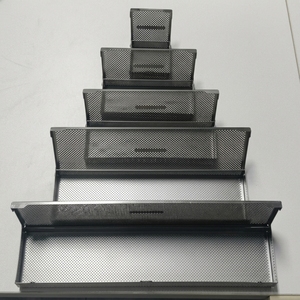
- Dental & Oral Surgery Tools: Anatomical extraction forceps, Gracey curettes, periodontal scalers, root elevators, and autoclavable perforated mesh cassettes.
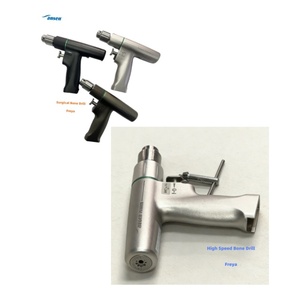
- Powered Orthopedic Instruments: Battery-operated autoclavable surgical bone drills and sagittal saws for orthopedic trauma centers.
2. Quality Assurance Infrastructure & Lifetime Guarantee
Every reusable instrument crafted at DR MIRZA undergoes rigorous multi-stage quality control. From raw material spectrum analysis of incoming German and Japanese stainless steel billets to final optical clarity checks on rigid endoscopes, quality is engineered into every step. Reflecting absolute confidence in their metallurgical and assembly precision, DR MIRZA backs all reusable OR-grade instruments with a written Lifetime Guarantee against material defects and craftsmanship failures.
3. Turnkey OEM & Private Label Services
For international distributors and healthcare brands seeking custom production, DR MIRZA offers comprehensive OEM solutions. This includes custom CAD drawing design, physical sample prototyping within rapid turnaround windows, high-precision fiber laser etching for brand identification and UDI compliance, and customized packaging compliant with international retail or hospital sterilization protocols.
Future Trends in Autoclavable Medical Instrument Procurement
The global medical device market is undergoing rapid evolution. Procurement directors must align their sourcing strategies with four macro trends shaping the industry:
1. Paradigm Shift Toward Sustainable Reusables
While single-use disposable instruments saw increased adoption during pandemic peaks, escalating hospital incineration costs and environmental plastic pollution mandates are driving a massive resurgence in reusable, autoclavable instrument sets. Advanced hospital networks are calculating total lifecycle costs, recognizing that an OR-grade stainless steel instrument enduring 500+ autoclave cycles reduces environmental carbon footprints by over 85% compared to disposable alternatives.
2. Integration of Unique Device Identification (UDI) & Smart Tracking
Regulatory authorities (US FDA, EU EUDAMED) increasingly mandate UDI compliance for reprocessable devices. Modern autoclavable instruments are now laser-etched with 2D DataMatrix codes or fitted with autoclavable RFID micro-chips. This allows hospital Central Sterile Supply Departments (CSSD) to track individual instrument cycle counts, maintenance histories, and tray locations in real time.
3. Evolution of Ergonomic & Modular MIS Tooling
Surgeon fatigue and repetitive strain injuries (RSI) are driving demand for lightweight, ergonomically balanced handpieces. Modular 3-piece laparoscopic instruments—comprising autoclavable handles, insulated shafts, and interchangeable tip inserts—are fast becoming the standard for minimally invasive abdominal, gynecological, and urological procedures.
4. Direct-to-Factory Procurement Models
Supply chain disruptions are compelling healthcare networks to bypass intermediary brokers and establish direct relationships with verified manufacturing factories. Direct sourcing guarantees full traceability of material origins, reduces procurement lead times by 30-40%, and secures custom private labeling at factory-direct pricing.
Frequently Asked Questions (FAQ)
Find quick, authoritative answers to common technical and commercial questions regarding autoclavable medical instrument sourcing.
Partner with a World-Leader in Autoclavable Instrument Manufacturing
Elevate your medical device supply chain with certified precision, lifetime durability guarantees, and direct factory pricing. Contact our export specialists today to discuss bulk supply, tender requirements, or OEM private label partnerships.
Get a Quote