
Featured Surgical & Procedure Equipment
Engineered in compliance with ISO 13485 and CE standards. Explore our core surgical, ENT, dental, and sterile apparel series exported to over 120 countries worldwide.
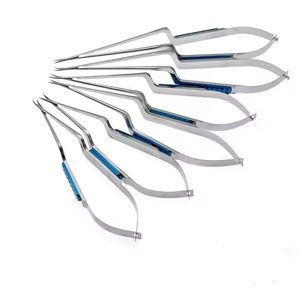
Professional Stainless Steel Manual Micro Neurosurgery Scissors Dental Surgical Instruments Ergonomic Grip CE Certified Class I
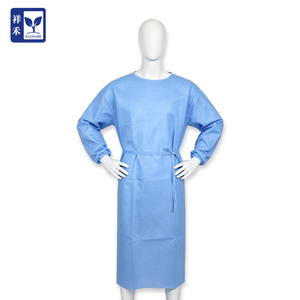
Sterile Surgical Gowns Disposable Medical Apparel Long Sleeve Knitted Cuff Hospital Procedure Supplies Factory
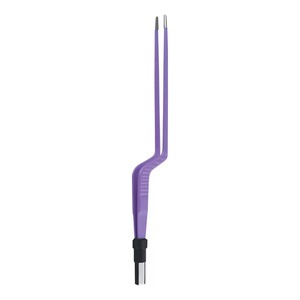
Bayonet 20cm European Bipolar Forceps (Tungsten Carbide) Electrosurgery Electrocautery
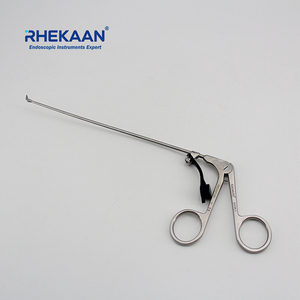
Premium 230mm Stainless Steel Laryngology ENT Micro Nasal Laryngeal Surgery Instruments Operating Cutting Scissors Forceps
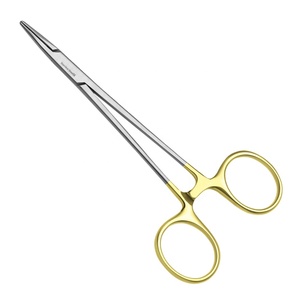
SIGAL MEDCO Fishing Plier Lock Straight Tungsten Carbide Tip Micro Needle Forceps 410 Japanese Stainless Steel Silver Finish
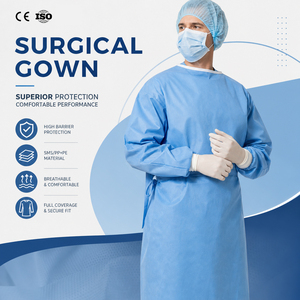
Supplier Bulk Disposable Surgical Gown EN13795 Standard 50gsm SMS Breathable Doctor Hospital Gowns
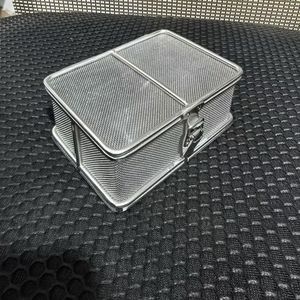
304 316 Stainless Steel Disinfection Box Instrument Sterilization Tray Basket with Silicone Strips, Disinfection
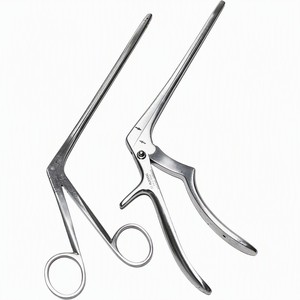
CNC Machining Medical Crocodile Forceps ENT Surgical Instruments Crocodile Ear Forceps Nasal Cutting Forceps, Dental Instruments
1. Global Executive Summary & Search Intent Mining: Biopsy Forceps Procurement
Biopsy forceps represent one of the most critical diagnostic interfaces in modern minimally invasive medicine, gastroenterology, pulmonology, ENT, and gynaecological surgery. As hospital procurement teams, GPOs (Group Purchasing Organizations), and medical device distributors analyze global supply chains in 2026, evaluating the top 10 biopsy forceps exporters requires an intent-driven framework that balances metallurgical craftsmanship, dimensional precision, regulatory compliance, and total cost of ownership (TCO).
Semantic search analysis of procurement queries reveals that healthcare buyers are no longer searching merely for "cheap surgical instruments." Modern search intent spans granular technical parameters: "martensitic stainless steel biopsy forceps suppliers," "ISO 13485 OEM flexible endoscopic forceps manufacturers," "cold vs hot biopsy forceps tissue artifact retention," and "passivated AISI 420 jaw alignment tolerances." This whitepaper delivers actionable information gain by dissecting the global exporter landscape, manufacturing engineering standards, metallurgical benchmarks, and future market trajectories.
Key Industry Insight: Diagnostic accuracy in histopathology is directly linked to the mechanical sharpness and jaw alignment of biopsy forceps. Poorly milled forceps crush tissue samples, causing crush artifacts that obscure cell architecture. Leading global exporters distinguish themselves through micro-CNC milling, electrical discharge machining (EDM), and strict passivation chemistry.
2. Global Exporters Landscape & Benchmark Matrix
The global manufacturing hub for surgical and endoscopic instrumentation is concentrated across recognized specialized clusters. When evaluating top exporters, procurement officers categorize suppliers based on metallurgical processing capability, cleanroom assembly standards, and private-label contract manufacturing capacity.
| Exporter Region / Hub | Primary Specialties | Metallurgical Standards | OEM & Customization Flexibility | Procurement Advantage |
|---|---|---|---|---|
| Sialkot, Pakistan (DR MIRZA Cluster) | Reusable OR-grade surgical forceps, ENT micro-forceps, Dental & Biopsy instrumentation | AISI 410, 420 Martensitic & German Stainless Steel (ASTM F899) | Extensive OEM, Private Label, Laser Marking & Packaging | Highest cost-to-performance ratio; century-old artisanal forging combined with modern CNC precision |
| Tuttlingen, Germany | Ultra-specialized neurosurgical & rigid endoscopic forceps | German High-Carbon Martensitic Stainless Steel | Strict catalog specifications; higher MOQ for custom tooling | Established brand reputation; high capital cost per instrument unit |
| Jiangsu / Zhejiang, China | Mass-market single-use sterile flexible endoscopic biopsy forceps | 304/316L Stainless cables, PTFE sheathing, molded plastic handles | High-volume standard disposable production lines | Competitive pricing for high-volume single-use clinical consumables |
| Maine / Massachusetts, USA | Specialized electrosurgical & motorized biopsy sampling devices | Custom alloy & tungsten carbide insert configurations | Proprietary OEM medical device contract manufacturing | Domestic regulatory convenience; elevated unit costs |
3. Comprehensive Technical Analysis: Engineering & Metallurgical Standards
Biopsy forceps are divided primarily into two architectural classes: Rigid Surgical Biopsy Forceps (used in ENT, neurosurgery, gynaecology, and open procedures) and Flexible Endoscopic Biopsy Forceps (passed through the working channel of flexible endoscopes or bronchoscopes). Achieving superior clinical yield requires adherence to strict engineering standards:
A. Raw Material Metallurgy & Heat Treatment
High-grade biopsy forceps cups must withstand sharp cutting forces without dulling or warping. DR MIRZA Medical Instruments utilizes martensitic AISI 410 and AISI 420 stainless steel for cutting and gripping jaws. Martensitic grades possess a higher carbon content (0.15%–0.40%) which, under vacuum vacuum heat treatment and controlled tempering, achieves a hardness rating of 45 to 52 HRC (Rockwell Hardness Scale). This ensures edge retention and spring tension fatigue resistance across thousands of autoclave cycles.
For flexible endoscopic pull-wire cables, austenitic 304 and 316L stainless steel wires are braided into multi-strand cables to deliver high torsional strength and 1:1 tactile torque transmission, preventing cable stretch or binding within curved endoscope working channels.
B. Jaw Configuration Engineering
- Oval Cup (Standard): Designed to maximize tissue volume yield while minimizing mucosal tear risks. Smooth outer surfaces prevent damage to the endoscope working channel inner liner.
- Alligator / Serrated Jaw: Interlocking serrations prevent slippage on hard, fibrous, or tangential lesions (such as esophageal or bronchial strictures).
- Needle / Spike (Fenestrated): Features a central positioning needle that anchors the forceps against tangential tissue, permitting precise tissue capture and preventing biopsy drift during jaw closure.
- Cold vs. Hot Biopsy Forceps: Hot biopsy forceps feature insulated sheathing (PTFE/FEP) and electrosurgical connectors, allowing simultaneous tissue sampling and electrocautery hemostasis. Cold biopsy forceps focus purely on mechanical cutting to eliminate thermal tissue artifacts.
4. Corporate Authority: The DR MIRZA Manufacturing Advantage
Founded by Dr. Inam ul Haq Mirza—a visionary medical professional who bridged the gap between surgical clinical practice and manufacturing execution—DR MIRZA Medical Instruments has evolved into an international benchmark exporter based in Sialkot, Pakistan. Operating under ISO 9001, ISO 13485 (Medical Devices Quality Management System), and CE marking standards, DR MIRZA serves healthcare facilities and distributors across more than 120 nations.
Unlike trading intermediaries, DR MIRZA maintains a network of over 20 dedicated specialized workshops handling drop-forging, precision CNC machining, hand-crafting, electrical polishing, passivation, and cleanroom packaging. With a catalog exceeding 80,000 instrument patterns, international buyers can consolidate multi-specialty tenders—from micro neurosurgery scissors and bayonet bipolar forceps to custom laryngeal cutting forceps and sterilization baskets—under a single accredited exporter.
ASTM A967 Passivation
Every reusable instrument undergoes automated ultrasonic bath cleaning and chemical passivation to form an impenetrable chromium-oxide surface film, preventing rust, pitting, and corrosion.
OEM & Private Labeling
State-of-the-art fiber laser marking systems engrave distributor brand logos, UDI (Unique Device Identification) barcodes, and lot numbers without compromising structural integrity.
Lifetime Quality Guarantee
Reflecting absolute confidence in metallurgical heat treatment and joint alignment, DR MIRZA offers a lifetime replacement guarantee against material and manufacturing defects.
5. Future Procurement Trends in Biopsy Forceps (2026–2035)
As surgical technology advances toward ultra-minimally invasive and robotic-assisted procedures, procurement strategies for biopsy forceps are undergoing four fundamental structural shifts:
A. Hybrid Sourcing Models: Reusable OR-Grade vs. Single-Use Sterile
Hospitals are moving away from all-disposable or all-reusable mandates. Procurement intent data indicates a strategic hybrid approach: high-turnover outpatient endoscopy suites favor sterile single-use flexible biopsy forceps to maximize room turnover and eliminate cross-infection risks. Conversely, tertiary surgical operating rooms and specialized ENT/gynaecology clinics utilize high-precision reusable German-steel forceps to minimize long-term waste and achieve superior tactile feedback. Leading exporters must provide both product lines under unified quality control.
B. Miniaturization & Ultra-Micro Jaw Geometry
The rise of pediatric endoscopy, ultra-fine bronchoscopy, and neuro-endoscopic biopsy requires forceps with outer sheath diameters under 1.8mm and 1.2mm. Precision micro-machining and laser welding are replacing traditional manual rivet joints, demanding higher capital equipment investments from top manufacturers.
C. Regulatory Stringency & UDI Traceability
Global regulatory frameworks—including EU MDR (Medical Device Regulation 2017/745) and US FDA 21 CFR Part 830—mandate strict Unique Device Identification (UDI) tracking for reusable surgical instruments. Importers now prioritize suppliers capable of providing direct laser-etched GS1 DataMatrix codes, full raw material heat certificates, and validated sterilization protocol documentation.
D. Sustainable Metallurgical Packaging
Environmental, Social, and Governance (ESG) guidelines are shifting buyer preferences toward eco-friendly packaging. Top exporters are replacing non-recyclable plastic clamshells with autoclavable sterilization trays equipped with silicone holding strips and biodegradable secondary packaging.
6. Comprehensive B2B Procurement FAQ (User Intent Mining)
What stainless steel grades are optimal for reusable biopsy forceps manufacturing?
Reusable biopsy forceps require high-carbon martensitic stainless steel—typically AISI 410 or AISI 420 (compliant with ASTM F899)—for the cutting jaw cups to achieve a hardness of 45-52 HRC. Non-cutting components, handles, and flexible cable sheaths utilize austenitic 304 or 316L stainless steel for maximum flexibility, corrosion resistance, and structural integrity.
How does DR MIRZA guarantee compliance with ISO 13485 and CE standards?
DR MIRZA maintains a fully audited Quality Management System certified to ISO 13485 and ISO 9001. Every production batch undergoes dimensional inspection, corrosion resistance testing according to ASTM A967, jaw alignment functional testing, and full lot traceability documentation prior to export packaging.
What is the difference between fenestrated and non-fenestrated biopsy forceps cups?
Fenestrated cups feature an opening or window in the cup wall, allowing larger tissue samples to be retrieved without crushing the specimen. Non-fenestrated (solid) cups are ideal when containing fluid-rich or delicate samples where tissue fragmentation must be strictly avoided.
Can DR MIRZA manufacture custom OEM biopsy forceps according to distributor drawings?
Yes. DR MIRZA specializes in OEM and private-label manufacturing. We produce instruments to customer technical drawings, CAD files, or physical samples, providing custom jaw geometry, fiber-laser logo engraving, personalized UDI coding, and tailored retail or sterile packaging.
What are the key export markets served by DR MIRZA?
DR MIRZA exports to over 120 countries, supporting hospital groups, government health tenders, and medical distributors across North America, the UK, Western Europe, the Nordic region, the Middle East (GCC), Latin America, Asia, and Australia.
What quality guarantee is provided with volume surgical instrument orders?
All reusable OR-grade surgical instruments manufactured by DR MIRZA are backed by a comprehensive lifetime guarantee against material and manufacturing defects. Defective units falling under standard care guidelines are replaced or refunded immediately.
How can procurement teams evaluate samples before placing volume tender contracts?
Procurement officers and healthcare distributors can request evaluation sample sets directly through our sales office. Samples are shipped with complete material specifications, certificates of conformance, and custom branding proofs for technical approval prior to mass production.
Partner with a World-Class Biopsy Forceps Manufacturer
Contact DR MIRZA Medical Instruments today to request product catalogs, technical material datasheets, or custom OEM quotations for global tenders.