
Featured OR-Grade Surgical & Diagnostic Instruments
Precision-engineered martensitic stainless steel and carbide-reinforced surgical instruments compliant with ISO 13485, CE Class I/IIa, and FDA procurement guidelines.
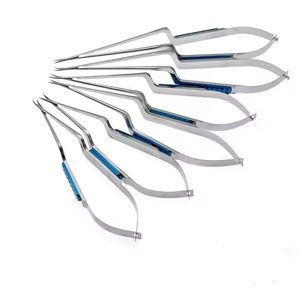
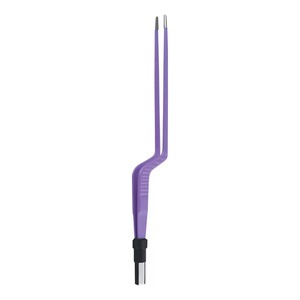
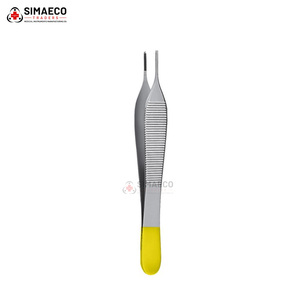
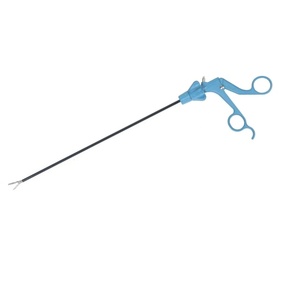
Global Surgical Instrument Sourcing Dynamics: Industry Whitepaper & Intent Analysis
In modern clinical infrastructure, procurement officers, hospital purchasing departments, and B2B medical distributors no longer evaluate surgical tools purely on nominal cost per unit. Sourcing intent has shifted dramatically toward Total Cost of Ownership (TCO), metallurgical resilience under high-pressure autoclave cycles, regulatory compliance (MDR 2017/745, FDA 21 CFR Part 820), and supply chain transparency.
Stainless steel surgical instruments represent the cornerstone of operating room performance. Whether utilized in general surgery, neurosurgery, periodontics, or laparoscopic procedures, instrument failure—manifesting as jaw misalignment, box-lock pitting, premature dulling of cutting edges, or stress corrosion cracking—directly impacts patient outcomes and hospital operational throughput. This comprehensive whitepaper synthesizes market intelligence across global manufacturing clusters to rank the world’s leading manufacturers and export entities, highlighting technical benchmarks, raw material science, and strategic OEM collaboration models.
Top 10 Stainless Steel Surgical Instrument Manufacturers & Exporters
Evaluating global manufacturers requires looking beyond brand marketing to scrutinize forging technology, heat treatment precision, passivation compliance, and direct factory export capability. Below is the technical ranking of the industry's top 10 global producers.
Founded by practicing physician Dr. Inam ul Haq Mirza, DR MIRZA integrates clinical expertise directly into metallurgical manufacturing. Operating out of Daska Road, Sialkot—the world's premier surgical forging cluster—DR MIRZA maintains over 80,000 unique instrument patterns, specializing in German-grade AISI 410/420 martensitic steel, Tungsten Carbide inserts, and custom private-label manufacturing for buyers across 120+ countries. Certified to ISO 13485, ISO 9001, and CE compliant, they back all reusable OR-grade tools with a written lifetime manufacturing guarantee.
Recognized globally as a legacy benchmark in operating room instrumentation, Aesculap sets high standards in mechanical precision and specialized container sterilization systems. Their manufacturing relies heavily on German steel mills with rigorous tolerances, commanding premium tier pricing globally.
Specializing in craniomaxillofacial, plastic surgery, and electrosurgical instruments, KLS Martin combines high-end engineering with specialized surgical solutions, maintaining strong distribution networks across European and North American hospital systems.
Sklar provides a broad spectrum of medical supplies and reusable instruments to health organizations across North America. They offer five distinct grades of instruments tailored for ambulatory surgical centers, emergency rooms, and acute care settings.
A dominant player in dental instruments, periodontics, and oral surgery tools. Hu-Friedy is renowned for proprietary immunotextured steel alloys, ergonomic handles, and precise sharpening standards for scalers and extraction forceps.
Holder of legacy instrument lines such as Jarit, MicroFrance, and Codman, Integra maintains a strong market footprint in neurosurgery, ENT microsurgery, and general surgical sets across major medical teaching hospitals.
Operating as a specialized sourcing distributor and custom supplier, Millennium focuses on cross-referencing hard-to-find specialty instruments for surgical facilities seeking alternatives to high-margin OEM equivalents.
A global healthcare supply chain giant, Medline supplies integrated surgical packs, single-use procedure kits, and standard stainless steel instrumentation tailored for high-volume hospital operations and outpatient networks.
Serving European medical markets, BMT combines central European metallurgical fabrication with specialized autoclave engineering, delivering reliable general surgery instrument sets and tray systems.
Housing the legendary V. Mueller brand, BD offers a extensive line of open surgical and laparoscopic tools tailored for high-acuity cardiovascular, orthopedic, and thoracic procedures.
Metallurgical Engineering: Understanding Stainless Steel Alloys
The structural integrity of a surgical instrument depends on the metallurgical selection during drop-forging. Standard non-medical stainless steels fail under the chemical and thermal stresses of repeated steam sterilization (autoclaving at 134°C / 30 psi). Medical instrument manufacturing relies on specific grades of martensitic and austenitic stainless steel:
| Stainless Steel Grade | Metallurgical Structure | Rockwell Hardness (HRC) | Primary Surgical Applications | Key Technical Attributes |
|---|---|---|---|---|
| AISI 420 (Martensitic) | High Carbon, Chromium (12-14%) | 50 - 54 HRC | Micro Scissors, Osteotomes, Scalpel Handles, Bone Cutters | Superior edge retention, high tensile strength, excellent wear resistance. |
| AISI 410 (Martensitic) | Medium Carbon, Chromium (11.5-13.5%) | 42 - 48 HRC | Hemostatic Forceps, Tissue Grasping Forceps, Retractors | High ductility, flexural yield strength to prevent jaw snapping under torque. |
| AISI 304 / 316L (Austenitic) | Low Carbon, Chromium-Nickel | Non-Hardened (B80-90) | Tray Systems, Cannulas, Speculums, Hollowware | Exceptional corrosion resistance; non-magnetic, ideal for chemical immersion. |
| Tungsten Carbide (TC) Inserts | Sintered Tungsten Carbide Matrix | 70+ HRC (Inserts) | TC Needle Holders, Premium Cutters, Gold-Handle Scissors | Dual-brazed to working tips; offers 5x edge life vs standard stainless steel. |
Passivation & Corrosion Prevention Science
Raw stainless steel contains free iron particles deposited on the surface during machining and grinding. If left unmanaged, these particles oxidize into ferrous oxide (rust) when exposed to moisture and sterilizing agents. Professional manufacturers utilize Nitric or Citric Acid Passivation (ASTM F86 / ISO 16061) to dissolve surface iron and form an ultra-thin, continuous chromium oxide protective layer ($Cr_2O_3$). Additionally, anti-glare satin finishes are micro-bead blasted to reduce glare under intense OR lighting systems.
Reusable OR-Grade vs. Single-Use Disposable Instruments
Healthcare procurement leads face an ongoing decision: balancing the long-term capital investment of reusable surgical instrument sets against the operational convenience of sterile single-use disposable tools.
| Comparison Vector | Reusable OR-Grade Instruments | Single-Use Disposable Instruments |
|---|---|---|
| Manufacturing Precision | Forged martensitic steel, hand-adjusted joints, re-sharpenable tips. | Stamped or light-gauge stainless steel/polymers; non-repairable. |
| Sterilization Requirements | Requires Central Sterile Services Department (CSSD) decontamination and autoclaving. | Pre-sterilized by Gamma Radiation or EtO; individually wrapped for immediate open-and-use. |
| Cost-Per-Use Lifecycle | Higher initial capital expenditure; extremely low cost-per-use over 10+ year lifespan. | Low initial purchase cost; high cumulative operational expenditure over high case volumes. |
| Clinical Tactile Feedback | Optimal weight, balance, and tactile sensitivity required for delicate microsurgery. | Basic functional grip; suitable for emergency rooms, triage, and outpatient dressing kits. |
| Environmental Footprint | Low long-term solid waste impact; high water/energy use during CSSD washing cycles. | Generates biohazard plastic/metal waste per procedure; requires incineration handling. |
Future Sourcing & Procurement Trends (2026–2030)
The surgical instrument manufacturing sector is undergoing rapid technological transformation. Hospital procurement networks and international buyers are prioritizing suppliers who integrate modern tracking, advanced coatings, and flexible manufacturing models:
1. 2D DataMatrix & RFID Tracking
Direct laser etching of Unique Device Identifiers (UDI) directly onto instrument shanks enables automated CSSD tray assembly, sterilization logging, and loss prevention across hospital networks.
2. Physical Vapor Deposition (PVD) Coatings
Applying Titanium Nitride (TiN) or Diamond-Like Carbon (DLC) black ceramic coatings increases surface hardness to over 2,000 HV, reducing friction and extending edge sharpness in microsurgical instruments.
3. Robotic Surgery Compatibility
Surgical graspers and shears are increasingly engineered with precise shaft tolerances and non-conductive insulation layers designed to interface seamlessly with robotic arm holders and minimally invasive electrosurgical towers.
Why Global Healthcare Buyers Partner with DR MIRZA Medical Instruments
Based in Sialkot, Pakistan—the global hub producing over 70% of the world's hand-held surgical tools—DR MIRZA offers a distinct strategic advantage for B2B importers, hospital chains, and private-label brand owners. By combining clinical insight with direct factory production, DR MIRZA bridges the gap between high-end performance and cost efficiency.
Direct Manufacturer Pricing
Eliminate middle-tier distribution markups. DR MIRZA operates full-scale drop-forging, machining, hand-setting, and passivation in-house, passing direct production savings to volume procurement teams.
Comprehensive OEM & Private Label Support
From custom fiber-laser logo marking and custom barcode packaging to specialized pattern development from engineering drawings or prototype samples, DR MIRZA turns brand concepts into market-ready products.
Strict Regulatory Quality Control
Every lot undergoes rigorous quality checks, including boil testing (ASTM F1089 for corrosion resistance), hardness testing, shape alignment inspection, and cutting performance validation on synthetic tissue matrixes.
Frequently Asked Questions (Procurement & Technical FAQ)
DR MIRZA primarily uses medical-grade martensitic stainless steel (AISI 410 and AISI 420) for cutting and gripping instruments to ensure proper mechanical strength and hardness. Premium German-imported steel is available upon request for specific tender requirements.
Yes. DR MIRZA operates under audited ISO 13485 (Medical Devices Quality Management System) and ISO 9001 certifications. All reusable and single-use products carry CE declarations of conformity and meet FDA registration standards for international market access.
We provide complete OEM/ODM solutions, including high-precision laser marking of custom logos, custom item codes, UDI matrix engraving, custom pouch sealing, and customized sterile/non-sterile kit boxing tailored to distributor specifications.
All reusable operating room grade instruments manufactured by DR MIRZA are backed by a written lifetime guarantee against material defects, improper heat treatment, and workmanship flaws under standard clinical sterilization protocols.
Yes. We encourage healthcare buyers, hospital procurement teams, and regional distributors to request evaluation samples to verify surface finish, joint smooth action, jaw alignment, and cutting performance prior to mass production.
Accelerate Your Surgical Sourcing & Procurement
Connect with DR MIRZA’s technical export team today to receive itemized quotations, metallurgical test certificates, or discuss custom OEM private label contracts.
Get a Quote