
Precision Medical & Plastic Surgery Instruments
Explore our high-grade stainless steel, tungsten carbide, and specialized surgical equipment designed for superior surgical ergonomics and clinical efficiency.

Executive Summary: Sourcing Plastic Surgery Instruments from China
The global demand for cosmetic, reconstructive, and micro-plastic surgical procedures has experienced unprecedented growth over the past decade. As hospital procurement teams, surgical center purchasing directors, and B2B medical equipment distributors evaluate supply chain resilience, cost efficiency, and quality compliance, China has established itself as the leading international hub for premium plastic surgery instrument manufacturing and export.
To successfully navigate the medical procurement landscape, healthcare organizations require an in-depth understanding of material metallurgical standards, precision hand-craftsmanship, regulatory compliance framework (including ISO 13485, ISO 9001, and CE Markings), and emerging technological trends. As a recognized global exporter backed by decades of surgical manufacturing heritage, our facility provides operating-room grade plastic surgery instruments designed for demanding aesthetic and reconstructive procedures ranging from rhinoplasty, blepharoplasty, and rhytidectomy (facelift) to micro-vascular flap reconstructive surgeries.
E-E-A-T Compliance & Manufacturing Quality Standard Framework
According to Google's Search Quality Rater Guidelines, evaluating healthcare equipment suppliers requires strict adherence to Experience, Expertise, Authoritativeness, and Trustworthiness (E-E-A-T). Surgical instruments directly impact clinical outcomes and patient safety; therefore, our production processes combine state-of-the-art automated CNC machining with master-artisan hand finishing.
Our manufacturing standard utilizes medical-grade German and AISI 410/420 martensitic stainless steels, offering optimal mechanical strength, corrosion resistance, and edge retention. For high-wear gripping and cutting surfaces—such as wire twisting forceps and delicate scissors—tungsten carbide (TC) inserts are vacuum-brazed onto the working ends, achieving a Rockwell Hardness (HRC) of up to 58-60 to withstand thousands of autoclave sterilization cycles.
Why Global Healthcare Buyers Choose Our Supply Chain
Direct factory manufacturing eliminates intermediary markups while providing full OEM/ODM flexibility for hospital tenders and distributor branding.
ISO 13485 & CE Compliance
Our Quality Management System (QMS) is tailored specifically for medical devices, guaranteeing complete lot traceability, strict bio-compatibility, and seamless entry into European, North American, and Middle Eastern markets.
Tungsten Carbide & Titanium Tech
Integrate ultra-durable tungsten carbide (TC) inserts for non-slip needle grip and microscopic scissors sharpening, alongside lightweight titanium alloys for delicate microsurgical tissue handling.
OEM & Private Label Service
Complete custom manufacturing support including high-precision fiber laser logo engraving, customized tray set packaging, and custom pattern forging tailored to surgeon preferences.
Technological & Development Trends in Plastic Surgery Instruments
The field of aesthetic and reconstructive plastic surgery is evolving rapidly, driven by minimally invasive techniques, endoscopic procedures, and high-magnification microsurgery. To stay competitive, surgical tool manufacturers must continuously innovate in metallurgy, ergonomics, and electrosurgical integration.
1. Advancements in Microsurgical Precision & Titanium Metallurgy
Modern micro-plastic surgery, particularly lymph node transfers, free flap reconstructions, and delicate pediatric craniofacial surgeries, demands instruments capable of handling 8-0 to 11-0 sutures under high-power operating microscopes. Traditional stainless steel, while robust, can present weight challenges during extended multi-hour procedures. Manufacturers are increasingly utilizing Grade 5 Titanium Alloys (Ti-6Al-4V), which offer a 40% reduction in weight compared to steel, non-magnetic properties, and superior anti-glare matte surface finishes.
2. Non-Reflective & Anti-Glare Surface Treatments
High-intensity operating theater LED illumination and surgical loupes can cause severe glare from mirror-polished instruments, leading to surgeon visual fatigue. Contemporary plastic surgery trends favor black ceramic coatings (Titanium Nitride / PVD coatings) and satin-matte finishes. Ceramic coatings not only eliminate glare but also increase surface hardness, reducing wear on delicate box-locks and working tips.
3. Bipolar & Electrosurgical Device Integration
Thermal tissue management and targeted hemostasis are critical in procedures like rhytidectomy, breast augmentation, and abdominoplasty to minimize post-operative hematomas and recovery time. The adoption of European-style Tungsten Carbide Bipolar Forceps featuring non-stick silver alloy or gold-plated tips allows plastic surgeons to achieve precise coagulation without charring adjacent delicate skin flaps.
4. Endoscopy-Assisted Minimally Invasive Plastic Surgery
Endoscopic forehead lifts, trans-umbilical breast augmentations, and endoscopic sinus/rhinoplasties rely on specialized rigid endoscopes (such as 2.7mm and 4mm HD Sinoscopes at 0°, 30°, and 70° angles) paired with custom curved dissectors and suction instruments. The integration of high-definition optic systems into plastic surgery toolkits is now a standard procurement requirement for modern surgical centers.
Global B2B Procurement Trends (2025–2030)
Sourcing strategies among global healthcare buyers, regional distributors, and hospital networks are undergoing structural shifts. Procurement managers must analyze total cost of ownership (TCO), sterilization lifecycle performance, and vendor sustainability.
| Procurement Criteria | Traditional Supply Chain | Next-Gen OEM Factory Direct Model |
|---|---|---|
| Sourcing Channel | Multi-layer regional brokers & white-label resellers | Direct partnership with ISO 13485 certified China factories |
| Cost Profile | High retail markup (300% - 500% over base) | Factory-direct pricing with tiered bulk discounts |
| Customization (OEM) | Limited to catalog items; long lead times | Custom laser marking, procedure-specific set packaging |
| Quality Control | Batch-level sampling at destination | 100% factory pass-fail inspection with material certificates |
| Supply Chain Lead Time | 12 – 16 Weeks | 4 – 6 Weeks streamlined export logistics |
Sustainable Reprocessing vs. Single-Use Kits
While single-use disposable kits offer convenience in emergency rooms, operating-room grade reusable plastic surgery instruments remain the gold standard for environmental sustainability and long-term cost containment. High-grade reusable forceps, needle holders, and rongeurs that endure 500+ autoclave cycles drastically reduce clinical bio-waste and yield a significantly lower cost-per-procedure over a 5-year operating horizon.
Technical Deep-Dive: Core Instruments for Plastic & Reconstructive Surgery
Understanding the engineering specifications of specialized surgical tools enables procurement teams to match exact clinical requirements with manufacturer offerings.
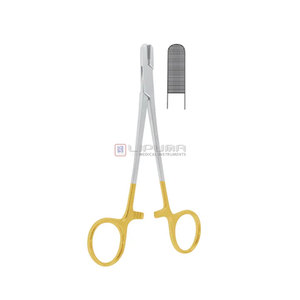
1. Niro TC Wire Twisting Forceps (15cm)
Crucial for maxillofacial and craniofacial reconstructive surgery where wire osteosynthesis is required. Featuring anvil-shaped Tungsten Carbide jaw inserts, these forceps securely grip stainless steel suture wire without slipping or stripping. The micro-ratchet box lock ensures reliable locking pressure without surgeon thumb strain.
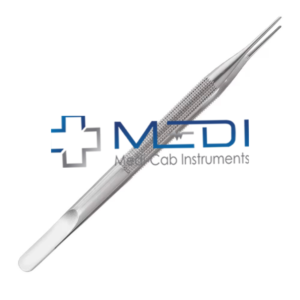
2. Ophthalmic & Micro Tissue Forceps (Ellis & Rat's Teeth)
Blepharoplasty and periorbital reconstructive procedures demand non-traumatic skin handling. Ellis micro forceps and precision rat's teeth forceps feature 0.3mm to 0.9mm tooth tip configurations. Hand-fitted jaws eliminate cross-scissoring, ensuring exact apposition of delicate delicate skin edges during suturing.
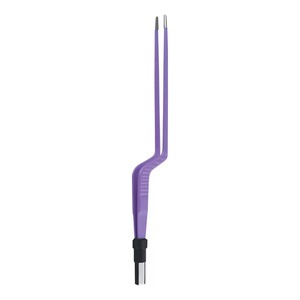
3. Bayonet European Bipolar Forceps (Tungsten Carbide, 20cm)
Designed for deep tissue dissection and thermal hemostasis in rhytidectomy and reconstructive surgery. The bayonet bend provides an unobstructed line of sight under magnification loupes. High-grade tungsten carbide tips prevent tissue adherence, ensuring consistent electrical conductivity and clean coagulation.
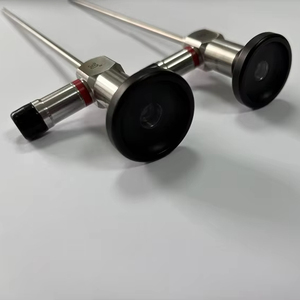
4. HD Autoclavable Rigid Sinoscopes & Endoscopes (2.7mm / 4mm)
Used in endoscopic forehead lift, rhinoplasty, and sinus plastic procedures. Built with sapphire glass objective lenses and multi-coated optical fibers, these endoscopes are fully autoclavable (134°C / 273°F) and compatible with standard HD video camera heads, delivering crystal-clear visualization of sub-fascial planes.
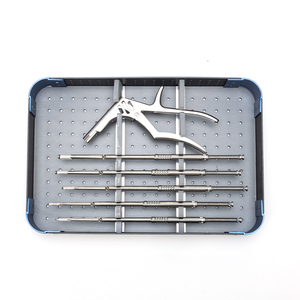
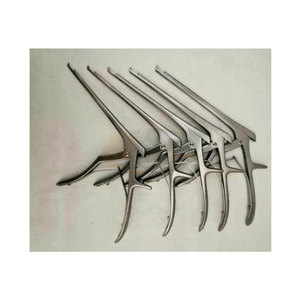
5. Manual Kerrison Rongeurs & Intervertebral Rongeurs
Essential for facial bone reshaping, rhinoplasty dorsal hump adjustments, and complex reconstructive procedures. Crafted with smooth-action springs and hardened cutting edges, these rongeurs clean-cut bone and cartilage fragments without crushing surrounding anatomical structures.
Frequently Asked Questions (FAQ) for B2B Procurement
Direct answers to essential questions regarding product specifications, certifications, OEM manufacturing, and export shipping procedures.
Partnering with China's Premier Surgical Instrument Exporter
Selecting the right manufacturing partner is a pivotal strategic decision for medical supply companies and healthcare institutions. By combining centuries of precision metalworking tradition with modern automated manufacturing and rigorous quality control, our enterprise delivers unparalleled value.
From single specialized micro forceps to comprehensive 150-piece hospital plastic surgery operating sets, we provide consistent quality, full regulatory documentation, and competitive factory-direct pricing to over 120 countries worldwide.
Request Your Plastic Surgery Instruments Catalog
Connect directly with our export engineering desk to receive comprehensive product technical sheets, OEM private label pricing, and custom tender quotations.