Precision Surgical & Diagnostic Product Showcase
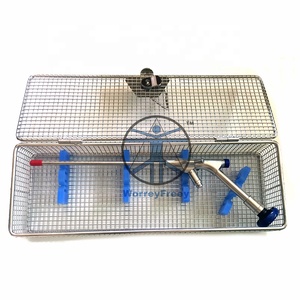
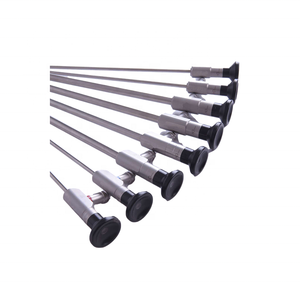
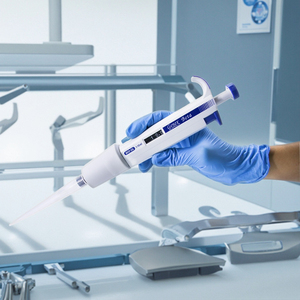
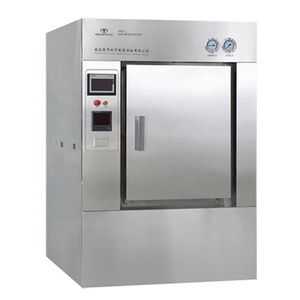
Explore our ISO 13485 certified surgical tools, laparoscopic endoscopes, micro-forceps, and sterilizer solutions. Click below to request customized specification catalogs and bulk pricing.
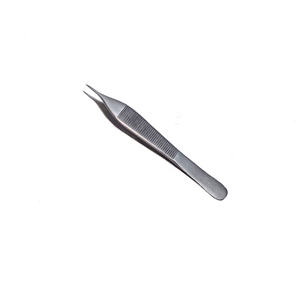
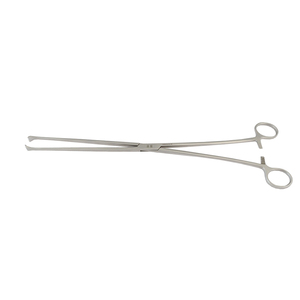
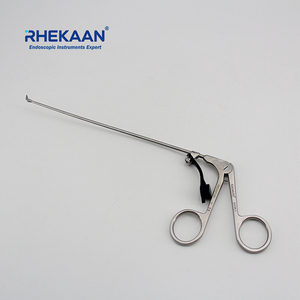
Titanium vs Stainless Steel in Modern Surgical Metallurgy
An Engineering & Procurement Perspective for Medical Device Importers and Hospital Purchasing Directors
Key Industry Takeaway: High-purity medical titanium alloys (Ti-6Al-4V ELI Grade 23) reduce surgical instrument weight by approximately 45% compared to conventional AISI 410/420 German stainless steel while offering zero magnetic interference during Intraoperative MRI (iMRI) procedures. Sourcing certified titanium instruments from top China exporters drastically lowers overall cost-per-procedure without sacrificing tactile precision.
Modern surgical procedures—ranging from delicate ophthalmic micro-dissections to complex spinal fixations and reconstructive cardiovascular surgeries—demand tools that balance structural rigidity, micro-tactile sensitivity, and extreme biocompatibility. For decades, martensitic and austenitic stainless steels were the default choices for surgical instrument manufacturing. However, the rapid advancement of intraoperative imaging, prolonged multi-hour microsurgical procedures, and aggressive chemical sterilization protocols have driven a global shift toward medical-grade titanium alloys.
1. Metallurgical Performance Metrics: Ti-6Al-4V ELI (Grade 23) Analysis
When selecting a top China titanium surgical instrument manufacturer, procurement officials must evaluate raw material certifications. Premium titanium medical tools utilize Ti-6Al-4V ELI (Extra Low Interstitial, ASTM F136 / ISO 5832-3) rather than standard industrial Grade 5 titanium. The ELI classification signifies strictly controlled interstitial oxygen (typically <0.13%), nitrogen, carbon, and iron content. This chemical purity yields superior damage tolerance, enhanced fatigue strength, and excellent fracture toughness at cryogenic and ambient sterilization temperatures.
| Material Property | Ti-6Al-4V ELI (Grade 23 Titanium) | AISI 420 Martensitic Stainless Steel | AISI 316L Austenitic Stainless Steel |
|---|---|---|---|
| Density (g/cm³) | 4.43 45% Lighter | 7.75 | 8.00 |
| Tensile Strength (MPa) | 860 - 960 | 700 - 850 | 515 - 620 |
| Modulus of Elasticity (GPa) | 110 - 114 Matches Bone Integrity | 200 | 193 |
| Magnetic Susceptibility | Paramagnetic (Non-Magnetic, 0-Tesla Distortion) | Ferromagnetic (High MRI Artifacts) | Weakly Paramagnetic |
| Corrosion Resistance | Exceptional (Native TiO2 Passive Layer) | Moderate (Requires Regular Passivation) | High (Susceptible to Pitting in Saline) |
| Autoclave Life Expectancy | 3,000+ Cycles Without Pitting | 500 - 1,000 Cycles (Risk of Rust) | 1,200+ Cycles |
2. Ergonomic Advantages: Reducing Surgeon Hand Fatigue
In prolonged surgical interventions lasting between 4 to 10 hours—such as neurosurgical tumor resections or micro-vascular flap reconstruction—instrument weight directly correlates with surgeon hand tremors and neuromuscular fatigue. Because titanium possesses a density of 4.43 g/cm³ compared to steel's 7.8–8.0 g/cm³, a titanium micro-forceps or needle holder feels virtually weightless in hand. This weight reduction allows operating room teams to maintain consistent tactile feedback and delicate control during high-risk tissue manipulations.
3. Intraoperative MRI (iMRI) and Non-Magnetic Safety
With modern hybrid operating rooms incorporating high-field strength magnetic resonance imaging scanners (1.5 Tesla and 3.0 Tesla), ferromagnetic tools present grave safety risks and severe image distortion artifacts. Titanium is inherently paramagnetic and non-ferrous. Titanium micro-scissors, tissue forceps, and retractors can remain safely within the active imaging zone without experiencing magnetic displacement forces or causing artifact glare that obscurs anatomical margins on intraoperative scans.
Enterprise Strengths & Global Manufacturing Capabilities
Bridging Advanced Metallurgy with Precision Engineering and Rigorous International Compliance
German-Grade Forging & 5-Axis CNC Precision
Our manufacturing complex combines traditional drop-forging mastery with state-of-the-art 5-axis CNC wire EDM (Electrical Discharge Machining). Every titanium joint, box-lock, and micro-serration is machined to tolerances within ±0.005mm for flawless alignment.
Strict ISO 13485 & CE Regulatory Compliance
Full compliance with international medical device quality systems. Every batch undergoes rigorous passivation testing (ASTM F86), boiling tests for corrosion resistance, and chemical spectro-analysis to guarantee 100% material traceability from mill ingot to sterilizer tray.
OEM, Private Label & Contract Manufacturing
We provide full-service OEM solutions for global medical brands. From custom fiber-optic laser etching of part numbers and hospital logos to bespoke sterile blister packaging and custom procedure tray assembly, we elevate your product brand.
Electrochemical Color Anodization
Titanium surgical tools can be electrochemically anodized into distinctive color variations (Blue, Gold, Magenta, Green) without chemical coatings or dyes. This allows surgical teams to rapidly identify micro-instrument sizes during surgery.
Factory-Direct Cost Efficiency & Fast Lead Times
By eliminating intermediate brokerage layers and controlling the raw material supply chain directly in China, we deliver premium titanium surgical instruments at 30% to 50% lower capital expenditure than European trading entities.
Lifetime Guarantee Against Manufacturing Defects
We back all reusable titanium surgical tools with a comprehensive lifetime warranty against structural failure, joint binding, and material defects under standard hospital autoclave sterilization protocols.
Future Procurement & Tech Trends in Titanium Surgical Tools (2025–2035)
Strategic Insights for Hospital Purchasing Consortiums, B2B Distributors, and OEM Medical Device Product Managers
As healthcare systems worldwide push toward value-based procurement and higher surgical throughput, the market dynamics for surgical instruments are undergoing profound transformations. Understanding these technological trends allows procurement officers to future-proof their supply chains and optimize lifetime asset utilization.
Trend 1: Additive Manufacturing (3D Printing) & Porous Titanium Micro-Grips
Traditional subtractive machining limits the complexity of micro-serrations on tissue forceps and jaw inserts. The integration of Selective Laser Melting (SLM) and Electron Beam Melting (EBM) additive manufacturing enables suppliers to produce titanium forceps with bio-mimetic, porous diamond-mesh gripping surfaces. These 3D-printed titanium tips hold delicate vascular tissues and neural sheaths securely with significantly less clamping force, dramatically reducing tissue trauma and intraoperative necrosis risk.
Trend 2: Integration with Robotic-Assisted Surgical (RAS) Platforms
With the global expansion of robotic surgical consoles across urology, gynecology, and general surgery, demand is surging for titanium endo-wristed micro-instruments. Titanium’s high strength-to-weight ratio makes it ideal for micro-articulating robotic joints, where lightweight components reduce servo-motor inertia, increase movement responsiveness, and extend robotic arm maintenance intervals.
Trend 3: Dark Anti-Reflective Surface Coatings (PVD Black Titanium Nitride)
Under intense modern LED surgical light booms and high-definition microscope light channels, standard satin or mirror-finished metal tools generate distracting glare. Leading China exporters are introducing Physical Vapor Deposition (PVD) Black Titanium Aluminum Nitride (TiAlN) coatings. This ultra-hard ceramic layer (hardness exceeding 2,800 HV) eliminates optical reflection, enhances scratch resistance, and reduces coefficient of friction across sliding scissor joints.
Trend 4: Sustainable Medical Supply Chains & Closed-Loop Titanium Recycling
Environmental, Social, and Governance (ESG) criteria are increasingly embedded in medical tender evaluations across Europe and North America. Titanium is 100% recyclable without structural degradation. Forward-thinking suppliers in China are establishing closed-loop recovery initiatives, collecting decommissioned titanium tools from healthcare facilities for metallurgical re-melting into non-critical medical equipment, thereby reducing overall scope 3 carbon footprints.
Frequently Asked Questions (FAQ) for Global B2B Buyers
Technical Answers on Quality Control, OEM Minimum Order Quantities, Shipping Logistics, and International Compliance
Partner with China’s Leading Titanium Instrument Manufacturer
Elevate your medical product offering with precision-forged titanium tools, certified quality management, and unbeatable factory-direct export pricing. Contact our engineering team today for a tailored quote.