Featured Professional Surgical Portfolio
Precision-engineered surgical tools and medical supplies crafted under strict ISO 13485 standards for veterinary orthopedics, neurosurgery, and general practice.
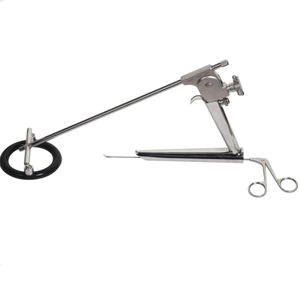
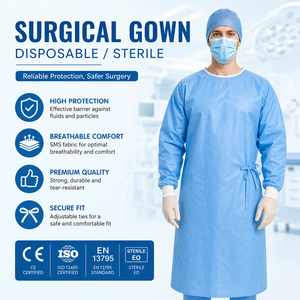
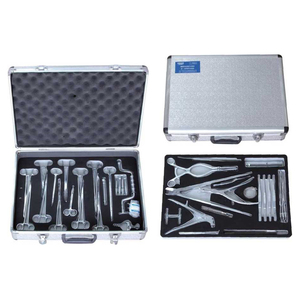
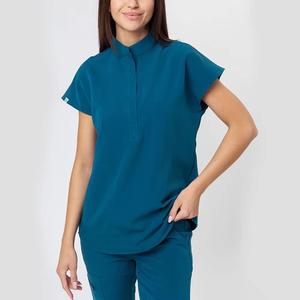
Executive Whitepaper: Strategic Sourcing of Veterinary Surgical Instruments
The global veterinary surgery market has undergone a paradigm shift over the past decade. Driven by advanced companion animal care, equine specialty surgery, and expanding livestock management practices, modern veterinary surgeons demand the exact same micro-precision, metallurgical purity, and anatomical delicacy historically reserved for human operating rooms. When evaluating Top China Veterinary Surgical Instruments Manufacturers & Suppliers, global procurement teams, hospital purchasing syndicates, and medical device brands must look far beyond superficial price comparisons. True strategic sourcing requires a rigorous assessment of raw material provenance, micro-structural forging integrity, passivation quality, and international regulatory compliance.
China's veterinary instrument manufacturing sector has matured into a global powerhouse, blending heavy investment in automated CNC multi-axis milling with decades of master artisanal metal forging. Leading OEM manufacturers now specialize in producing high-grade surgical stainless steel instruments that meet and exceed rigorous international benchmarks (ASTM F899, ISO 7153-1, and DIN standards). This comprehensive whitepaper explores the technological capabilities, metallurgical innovations, emerging procurement trends, and strategic evaluation frameworks required to establish high-yield, compliant OEM/ODM manufacturing partnerships in China.
German & Martensitic Steel
Utilization of AISI 410, AISI 420, and imported German AISI 440C stainless steel ensures optimal HRC 48-52 hardness, high tensile strength, and superior corrosion resistance after hundreds of autoclave cycles.
Micron-Level CNC Machining
Precision computerized wire-EDM cutting and 5-axis CNC grinding guarantee exact jaw alignment, smooth box-lock articulation, and zero play in tissue forceps and hemostatic clamps.
ASTM F899 Passivation
Chemical bath passivation eliminates free iron molecules from instrument surfaces, forming a self-healing chromium oxide passive film that guarantees lifelong protection against pitting and rust.
Industry Trends: The Next Era of Veterinary Surgery (2026–2030)
The veterinary medical device sector is undergoing swift technological advancement. The rising capitalization of specialty veterinary chains and referral practices across North America, Europe, and Asia-Pacific has accelerated the adoption of human-grade surgical techniques. Sourcing managers must align their procurement strategies with four key evolutionary trends:
1. Specialized Orthopedic Systems (TPLO, TTA & Micro-Plating)
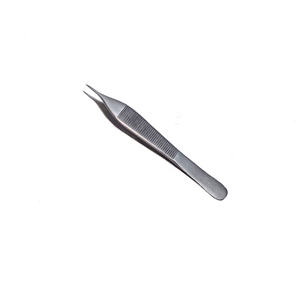
Canine cranial cruciate ligament (CCL) rupture repair remains one of the most common veterinary orthopedic procedures worldwide. The shift from lateral suture stabilization to advanced biological procedures like Tibial Plateau Leveling Osteotomy (TPLO) and Tibial Tuberosity Advancement (TTA) has created massive demand for specialized orthopedic tools. Modern veterinary buyers are seeking titanium alloy locking plates, specialized micro-Adson tissue forceps, variable-angle drill guides, and high-torque oscillating saw blades engineered specifically for small companion animals and exotic pets.
2. Micro-Invasive & Ophthalmic Neurosurgical Instrumentation
As veterinary diagnostic imaging (high-field MRI and 64-slice CT) becomes standard in regional hospitals, complex procedures such as spinal decompressive laminectomy, brain tumor resection, and microsurgical cataract phacoemulsification are routine. These delicate procedures require ultra-fine microsurgical scissors, Castroviejo needle holders with tungsten carbide jaw inserts, fiber-optic illuminated retractors, and titanium micro-forceps capable of handling tissue structures under 0.5mm without crush injury.
3. Ergonomic Weight Reduction & Non-Reflective PVD Coatings
Surgeon fatigue during extended multi-hour procedures directly impacts clinical outcomes. Premier Chinese manufacturers are integrating hollow-handle designs, titanium alloy compositions, and ergonomic texturing into retractors, elevators, and forceps. Furthermore, physical vapor deposition (PVD) coatings—such as Titanium Nitride (gold finish) and Black Diamond-Like Carbon (DLC)—are increasingly applied to cutting edges and gripping jaws to enhance surface hardness up to HRC 70+, extend sharpness retention by 300%, and eliminate glare under intense surgical lighting.
4. Eco-Conscious Reprocessing & Hybrid Single-Use Modules
Veterinary clinics are caught between the stringent infection control demands of sterile disposables and the long-term sustainability of reusable stainless steel instrument sets. The market is gravitating toward hybrid procurement models: high-precision core operating tools (such as scissors, needle holders, and bone holding forceps) are sourced as premium reusable German-grade stainless steel, while fluid-resistant protective apparel (such as AAMI Level 3 sterile gowns) and high-turnover diagnostic accessories are procured in pre-packaged single-use formats.
Technical Matrix: Reusable OR-Grade vs. Single-Use Veterinary Solutions
To assist procurement directors in optimizing capital expenditure (CapEx) versus operational expenditure (OpEx), our metallurgical engineering team has constructed the comparative matrix below:
| Evaluation Parameter | OR-Grade Reusable Instruments | Single-Use / Sterile Procedure Kits | Strategic Procurement Recommendation |
|---|---|---|---|
| Metallurgical Grade | AISI 410, 420, 440C Martensitic Stainless Steel; Titanium Grade 5 | AISI 304, AISI 201 Stainless Steel; Surgical-Grade Polymers | Specify OR-Grade reusable steel for load-bearing and cutting tools; single-use for high contamination kits. |
| Hardness Rating (HRC) | HRC 48–52 (Standard); HRC 68–72 (Tungsten Carbide / DLC Coated) | HRC 38–44 (Non-hardened cutting edges) | Ensure tungsten carbide jaw inserts are specified for high-frequency suture needle holders. |
| Autoclave Endurance | > 1,000+ steam sterilization cycles (134°C / 2.1 bar) | Single-cycle EO (Ethylene Oxide) or Gamma Sterilized; no re-autoclaving | Reusable instruments require proper passivation (ASTM F899) to prevent surface oxidation in steam autoclaves. |
| Cost per Procedure | Lowest long-term amortization ($0.05 - $0.20 per surgical case) | Predictable fixed cost per kit ($3.50 - $12.00 per procedure) | Deploy reusable sets for core operating suites; use disposable kits in field emergency/triage units. |
| Traceability & Compliance | Unique UDI laser marking, batch lot numbers, ISO 13485 compliance | Individually sealed blister pack with chemical indicator strips | Mandate laser etched QR/UDI barcodes on all custom OEM reusable instrument orders. |
Future Procurement Trends for Global B2B Buyers
Navigating international supply chains requires a forward-looking perspective on manufacturing intelligence, factory-direct consolidation, and custom branding protocols. When partnering with leading Chinese veterinary equipment manufacturers, international buyers are capitalizing on several key strategic operational shifts:
1. Full OEM & Private Label Customization
Distributors no longer buy off-the-shelf generic tools. Leading factories provide full OEM white-labeling services—including high-precision fiber laser etching of distributor logos, custom SKU catalog numbering, custom satin or satin-matte anti-glare surface finishing, and procedure-specific tray packing.
2. Turnkey Procedure Pack Bundling
Rather than issuing fragmented purchase orders for individual scissors, forceps, and trays, procurement heads now demand integrated procedure-specific kits. Complete packages—such as TPLO Orthopedic Bundles, Basic Neurosurgery Kits, or Ophthalmic Microsurgery Sets—reduce administrative overhead and ensure total tool compatibility.
3. Direct-from-Factory Quality Assurance
By eliminating middleman trading houses, buyers interface directly with factory engineering teams. This direct relationship enables custom adjustments to jaw serrations, ratchet tension preferences, and specialized tool modifications tailored to specific regional surgical preferences.
Why Top Global Brands Partner with China's Premier Manufacturing Facilities
The competitive edge of leading Chinese medical and veterinary instrument manufacturers stems from a unique combination of heavy capital investment, specialized metallurgical knowledge, and streamlined export operations. Modeled after world-class manufacturing standards, trusted facilities deliver unparalleled value to global supply chains:
- Massive Pattern Catalogues: Offering access to over 80,000 active surgical patterns and variations, allowing hospital chains and brand owners to consolidate multi-specialty procurement tenders under one manufacturing partner.
- Rigorous Metallurgical QC: Every batch of surgical stainless steel undergoes spectroscopic chemical analysis, hardness testing (Rockwell C scale), and salt-spray corrosion resistance validation prior to machining.
- Certified Quality Management: Full compliance with ISO 9001 (Quality Management System) and ISO 13485 (Medical Device Manufacturing Standards), alongside CE mark conformity for European distribution.
- Lifetime Defect Guarantee: Unwavering confidence in craftsmanship is backed by lifetime replacement guarantees against material flaws, forging cracks, or premature mechanism failure under standard surgical use.
- Global Logistics & Regulatory Documentation: Dedicated export teams facilitate seamless customs clearance across 120+ countries, providing full certificates of origin, material compliance sheets, and sterilized packaging documentation.
B2B Procurement FAQ: Essential Sourcing Guidance
Addressing critical technical, regulatory, and commercial questions for international medical device buyers.
Premier Chinese manufacturers utilize high-grade martensitic stainless steels, predominantly AISI 410 and AISI 420 for cutting instruments (scissors, shears) and gripping tools (forceps, needle holders). For ultra-delicate microsurgical scissors or specialized orthopedic tools, imported German stainless steel (AISI 440C) or surgical Titanium Grade 5 (Ti-6Al-4V) is available upon request to maximize corrosion resistance and edge retention.
All reusable instruments undergo rigorous chemical passivation in compliance with ASTM F899 and ISO 7153-1 guidelines. This process removes surface contaminants and free iron oxides, creating a microscopic, corrosion-resistant chromium oxide film. Furthermore, instruments undergo vacuum heat treatment to achieve optimal Rockwell hardness (HRC 48-52), preventing stress-corrosion cracking during repeated 134°C steam autoclave cycles.
Yes. Advanced fiber laser etching systems allow precise branding, custom logo placement, SKU numbers, barcode UDI tracking symbols, and lot numbers on any metal or synthetic instrument surface without altering the physical integrity or smooth cleanability of the surgical steel.
For custom OEM orders, manufacturers produce initial prototype samples based on customer engineering drawings or physical reference samples. Once produced, samples undergo full dimensional inspection, tension calibration, and finish verification. The samples are dispatched via express courier to the buyer for clinical sign-off prior to triggering mass factory production.
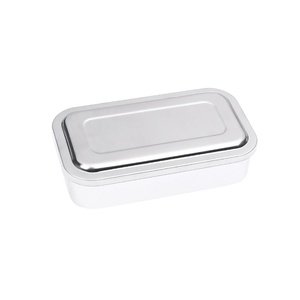
Instruments can be packaged in accordance with client specifications—ranging from individual clear protective pouching and color-coded silicone instrument tip protectors to complete stainless steel sterilization tray boxes (e.g., BR-SS88 series) with custom foam or silicone inserts. Outer shipping containers are heavy-duty, moisture-sealed corrugated cartons designed for sea or air freight cargo resilience.
Leading manufacturers operate under audited ISO 13485 (Medical Devices — Quality Management Systems) and ISO 9001 quality frameworks. Products exported to Europe and regulated regions carry full CE marking declarations and conform to applicable medical device regulations (MDR), ensuring friction-free customs clearance and commercial compliance.
All reusable operating-room grade surgical instruments carry a lifetime warranty against forging flaws, material cracking, and mechanical failure caused by defect in workmanship. If an instrument fails under normal recommended clinical handling and sterilization protocols, it is immediately replaced or credited free of charge.
Request Your Custom B2B Veterinary Catalog & Quotation
Partner with an industry-leading manufacturer trusted by veterinary hospitals, medical device brands, and international distributors in over 120 countries. Access our complete 80,000+ instrument catalog today.