Featured Diagnostic & Surgical OEM Solutions
Explore our ISO 13485 certified product lineup engineered for extreme durability, precision ergonomics, and flawless autoclave performance.
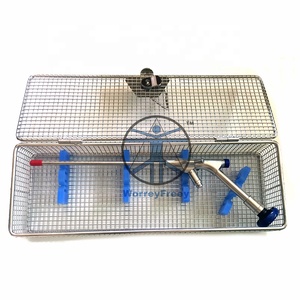
Orthopedic Instruments Autoclave Sterilization Tray, Sterilization Box for Spine Endoscope 6.3mm
Get Catalog
Supplier Bulk Disposable Surgical Gown EN13795 Standard 50gsm SMS Breathable Doctor Hospital Gowns
Get Catalog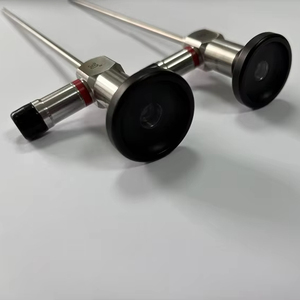
Wanhe HD Autoclavable 30 Degree Rigid Sinoscope Medical Nasal Ent Endoscope Camerae Sinuscope 2.7mm 4mm
Get Catalog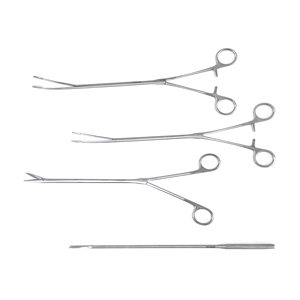
VATS Thoracoscopic Instruments Surgical Tissue Forceps Thoracoscopic Surgery / Needle Holder
Get Catalog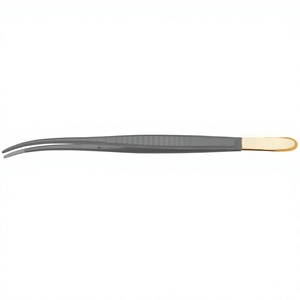
Maxwell Insulated Onyx Forceps 9″ (23 cm) Tungsten Carbide Monopolar Coagulation Forceps
Get Catalog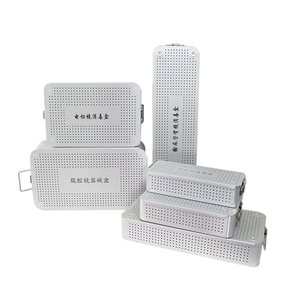
Best Selling Sterilization Box Tray Container for Hysterectomy Set & Surgical Tools
Get Catalog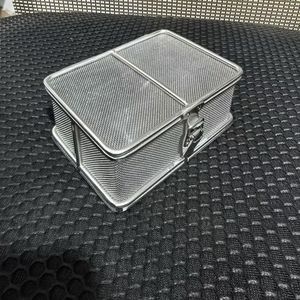
304 316 Stainless Steel Disinfection Box Instrument Sterilization Tray Basket with Silicone Strips
Get Catalog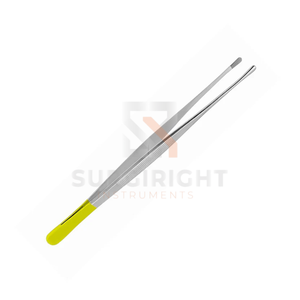
TC Wangensteen Tissue Forceps Stainless Steel Tungsten Carbide Surgical Tissue Grasping Forceps
Get Catalog1. The Technical Evolution of Modern Dental Diagnostic Optics
In contemporary clinical dentistry and oral surgery, visual acuity is directly proportional to diagnostic precision and treatment efficacy. As modern endodontics, periodontics, and implantology shift toward microscopic and minimally invasive procedures, the humble mouth mirror has transformed from a simple plastic or rear-surface glass tool into a high-precision optical instrument. Leading international procurement groups, hospital chains, and surgical device brand owners are now evaluating suppliers based on optical physics, material durability, and surface coating technology.
Historical rear-surface (silver-backed) mirrors suffered from a fundamental optical flaw known as "ghost imaging" or double refraction. When light passes through the glass substrate before refracting off the rear silver layer, a secondary, faint reflection is created on the front surface of the glass. In high-magnification dentistry—such as identifying calcified canals under a surgical microscope—this 5% to 8% optical noise leads to visual fatigue and parallax error.
Information Gain Insight: Front-surface optical mirrors utilize Physical Vapor Deposition (PVD) to bond reflective metals directly to the exterior substrate layer. This totally eliminates internal light refraction, achieving 0% ghost imaging and yielding 98.5% to 99.8% true-color rendering during intraoral procedures.
Modern dental mirror factories must balance three optical parameters: Reflectivity Co-efficiency, Scratch Resistance (Mohs Hardness), and Autoclave Passivation Tolerance. Standard vacuum metallization process lines often struggle to maintain coating uniformity across curved optical glass faces. However, advanced manufacturers utilize multi-layer dielectric sputtering, combining Rhodium (Rh), Titanium (Ti), and Silicon Dioxide (SiO₂) interference layers to construct mirrors capable of surviving over 1,500 continuous steam sterilization cycles without delamination or oxidation.
Core Manufacturing Innovations & Engineering Standards
Why leading global medical distributors partner with ISO 13485 certified production hubs for private label instrument manufacturing.
Rhodium & Titanium PVD Coatings
Ultra-hard front-surface reflection layer providing unmatched color fidelity, zero ghosting, and resistance to aggressive enzymatic cleaning solutions.
AISI 316L Stainless Steel Shanks
Surgical-grade, non-magnetic austenitic stainless steel stems forged with precision threads (M2.5 x 0.45) compatible with standard European and American handles.
Hydrophobic Anti-Fog Nano-Layers
Advanced surface treatment that reduces water droplet surface tension, dispersing intraoral humidity instantly to ensure crystal-clear visibility.
Ergonomic Weight Balancing
Precision calibrated mass distribution across hollow or solid handles, eliminating wrist fatigue during long micro-endodontic surgeries.
Laser-Welded Junction Seamlessness
Hermetically sealed glass-to-metal border joints prevented from fluid ingress, bacterial accumulation, and chemical degradation under pressure.
Ultra-HD Optical Glass Substrates
Float glass purified to eliminate iron impurities, achieving light transmission efficiency exceeding 99.2% prior to metallic thin-film deposition.
2. Comparative Metallurgy & Optical Coating Performance Index
When evaluating OEM factories and bulk supplier proposals, procurement directors must analyze technical specifications beyond unit cost. Below is a comprehensive engineering breakdown comparing standard market mirrors against industrial high-performance front-surface options manufactured in tier-1 medical facilities.
| Performance Specification | Standard Rear-Surface Mirror | Rhodium Front-Surface Mirror | Ultra-HD Titanium/Dielectric Mirror |
|---|---|---|---|
| Reflective Surface Layer | Rear Glass Silvering (Ag) | Front Surface Vacuum Rhodium (Rh) | Multi-Layer Titanium/SiO₂ Dielectric |
| Ghost Image Elimination | Poor (High Parallax Noise) | 100% Ghost-Free | 100% Ghost-Free |
| Light Reflectivity Grade | ~ 75% to 80% | ~ 90% to 92% | 98.5% - 99.8% (Maximum HD) |
| Autoclave Resistance (134°C) | < 200 Cycles before Clouding | > 1,000 Cycles | > 1,500+ Cycles Guaranteed |
| Scratch Hardness (Mohs Scale) | 5.5 (Standard Glass) | 6.8 (Rhodium Hardened) | 8.2 (Diamond-Like Carbon / Oxide) |
| Enzymatic Clean Solution Tolerance | Moderate (Edge Corrosion Risk) | High Chemical Stability | Complete Corrosion Resistance |
| Primary Target Application | Basic Hygienic Checkups | General Practice & Restorative | Micro-Endodontics & Implantology |
3. Global Sourcing & Procurement Trends (2025–2030)
The global dental instruments market is undergoing a structural shift driven by stringent regulatory frameworks, consolidation of dental service organizations (DSOs), and rising demands for environmental sustainability. Sourcing directors and brand managers are adapting their procurement matrix to align with several overarching industry trends:
A. Transition from Single-Use Plastics to Reprocessable High-Tier Alloys
While single-use disposable plastic mirrors expanded rapidly during global pandemic responses, medical waste legislation in the EU, North America, and East Asia is penalizing high-volume single-use plastic consumption. Leading hospital procurement boards are returning to premium-grade autoclavable stainless steel handles paired with replaceable front-surface mirror heads. This hybrid approach lowers long-term cost-per-procedure by up to 68% while shrinking clinical plastic carbon footprints.
B. Smart Integration & LED intraoral Illumination Interfaces
Future dental mirror designs are expanding beyond passive optics. OEM factories are integrating fiber-optic conduits, anti-fog heating elements, and cordless LED micro-rings directly into mirror handles. High-end procurement lines now specify modular handles capable of snapping onto both diagnostic mirror heads and micro-suction tips, creating multi-functional diagnostic units.
C. ISO 13485:2016 & MDR 2017/745 Compliance Demands
Regulatory scrutiny over medical device imports has reached unprecedented levels. Importers into European markets must ensure that dental mirror manufacturers hold valid EU MDR Technical Files, UDI (Unique Device Identification) laser etching capabilities, and cleanroom packaging compliance. Procurement teams are moving away from unregulated trading intermediaries, preferring direct factory relationships with fully vertically-integrated manufacturers in medical clusters like Sialkot, Pakistan, and Tuttlingen, Germany.
D. Private Label Customization & Laser-Marking Traceability
Distributors seeking brand equity retention are demanding custom laser-engraved logos, custom color-coded silicone rings, and specialized blister packaging. Modern OEM production facilities provide comprehensive private labeling services, allowing healthcare suppliers to offer proprietary instrument lines tailored specifically for institutional healthcare tenders.
4. Corporate Manufacturing Superiority & Factory Infrastructure
Rooted in decades of surgical instrument craftsmanship, our manufacturing facilities stand at the intersection of traditional forging mastery and modern CNC robotics. Founded with the mission to supply world-class medical tools to surgeons and dental professionals across 120+ countries, our ecosystem integrates every critical phase of medical device fabrication under one audited quality management system.
We import certified AISI 304, 316L, and martensitic 420 stainless steel billets. Mill test reports verify chemical compositions, ensuring optimal tensile strength, rust resistance, and hardness post heat-treatment.
Using Swiss-type CNC automatic lathes and drop-forging presses, instrument stems and mirror frames are milled to sub-micron tolerances, ensuring perfect weight balance and thread fitment.
Every metal component undergoes citric/nitric acid passivation treatments according to ASTM A967 standards, building an impenetrable chromium oxide layer that halts corrosion.
Our quality control laboratories perform rigorous stress testing on every production batch, including Salt Spray Corrosion Testing (ASTM B117), Boil-Test Autoclave Simulation, and Optical Spectrophotometry Reflectivity Audits. When you partner with our factory network, you gain direct access to OEM engineering teams ready to translate your technical drawings into market-ready medical products.
Frequently Asked B2B Procurement Questions
Technical and commercial clarifications for healthcare procurement officers, distributors, and brand managers.
Front-surface mirrors have the reflective coating (such as Rhodium or Titanium) applied directly onto the top face of the glass substrate. This reflects light immediately without passing through the glass layer, eliminating double images (ghosting) and providing extreme optical clarity. Rear-surface mirrors reflect light from behind the glass, causing internal refraction and a faint double image that increases eye strain during precision procedures.
We primarily utilize medical-grade AISI 304 and 316L stainless steel for reusable handles and mirror stems due to their superior corrosion resistance and ability to withstand thousands of steam autoclave cycles (134°C / 273°F). For high-end ergonomic handles, lightweight anodized aluminum or titanium alloys are also produced according to client OEM specifications.
Yes. We provide complete OEM/ODM solutions. We can fiber-laser engrave your company logo, part numbers, lot codes, and UDI (Unique Device Identification) barcodes directly onto mirror handles or shanks. Custom retail packaging, blister packs, and branded boxed sets are fully supported.
Our production facilities operate strictly under ISO 13485 (Medical Devices Quality Management System) and ISO 9001. Products conform to European CE marking standards (EU MDR compliant) and US FDA registration guidelines. Complete technical documentation and material certificates are supplied with volume orders.
Standard catalog items have an MOQ starting at 500 units per size/pattern. For custom OEM designs, specialized PVD color coatings, or custom-branded packaging, the typical MOQ is 1,000 to 3,000 units depending on production tooling requirements. Sample batches can be arranged for quality evaluation prior to mass production.
Rhodium is one of the most chemically inert precious metals. It resists oxidation, acid attack, and degradation from standard enzymatic cleaning solutions, glutaraldehyde, and thermal washer-disinfectors. When properly cleaned and autoclaved within recommended temperature thresholds, Rhodium front-surface mirrors maintain high reflectivity across hundreds of clinical uses.
Absolutely. We encourage procurement teams, DSO buyers, and distributor executives to evaluate our optical physical samples, finish quality, and autoclave durability firsthand. Contact our export desk to request a curated sample kit tailored to your target market specs.
Partner with a Trusted Dental Mirror Manufacturer
Elevate your product catalog with ISO 13485 certified front-surface optics, custom OEM branding, and factory-direct wholesale pricing. Speak with our technical sales engineers today.
Get Catalog