Export-Grade Surgical & Dental Instrumentation
Medical-grade stainless steel tools manufactured to strict ISO 13485 and EU MDR compliance standards for immediate integration into Austrian healthcare systems.
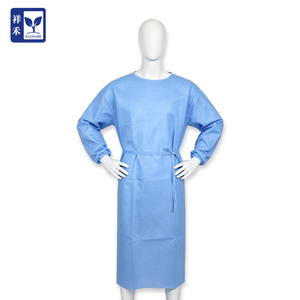
Sterile Surgical Gowns Disposable Medical Apparel Long Sleeve Knitted Cuff Hospital Supplies
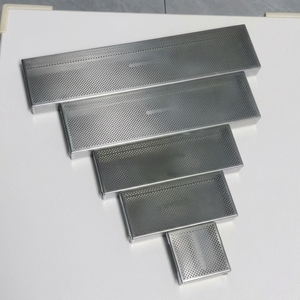
Lockable Stainless Steel Perforated Mesh Sterilization Cassette for Dental & Surgical Tools
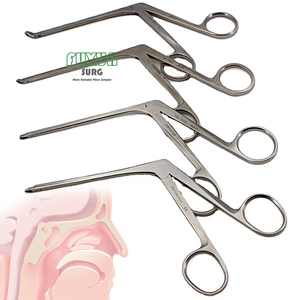
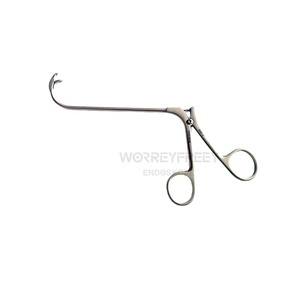
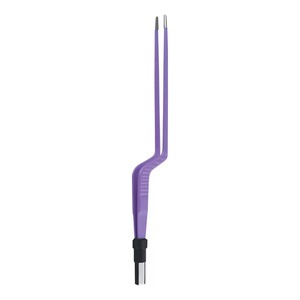
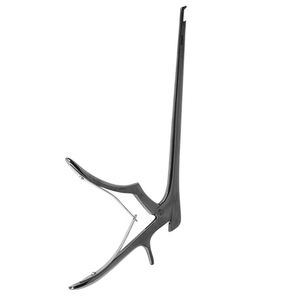
Bayonet 20cm European Bipolar Forceps (Tungsten Carbide Insert) Electrosurgery Electrocautery
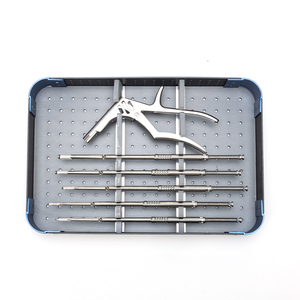
Industry Whitepaper: Strategic Sourcing of Private Label Dental Instruments for the Austrian Market
As the European dental supply chain faces stringent regulatory shifts under EU Regulation 2017/745 (EU MDR) alongside rising operational overheads in domestic European manufacturing hubs, procurement directors across Austria—from Vienna and Graz to Linz and Innsbruck—are re-evaluating their OEM manufacturing alliances. China’s advanced medical instrument exporting sector has evolved beyond high-volume contract manufacturing into high-precision, vertically integrated private-label engineering.
This whitepaper outlines the technical benchmarks, regulatory compliance matrices, and localized clinical integration factors required for Austrian medical supply companies, dental depots (Dentalgroßhändler), and private dental chains to partner directly with leading Chinese exporters for private-label dental hand instruments, extraction forceps, surgical elevators, and sterilization cassettes.
1. Regulatory Compliance Framework: Navigating BASG & EU MDR Requirements in Austria
Exporting medical and dental instruments to Austria requires strict compliance with the Austrian Federal Office for Safety in Health Care (BASG / AGES Medizinmarktaufsicht) and broader European Union directives. Any private-label dental brand operating within Austria must ensure that its offshore manufacturing partner fulfills three non-negotiable compliance pillars:
- ISO 13485:2016 Certified Quality Management Systems: Comprehensive audit trailing from raw stainless steel ingot forging to final passivation and sterile cleanroom pouching.
- Full Technical Documentation & CE Marking: Preparation of complete MDR Technical Files (Class I, Class Ir reusable surgical, and Class IIa active instruments), including biocompatibility testing under ISO 10993.
- Unique Device Identification (UDI) & Laser Engraving: Direct part marking (DPM) utilizing GS1-compliant DataMatrix barcode technology to support complete device traceability across Austrian clinic inventories.
2. Metallurgical Superiority: German Grade Stainless Steel vs. High-Impact Tungsten Carbide
To withstand the rigorous thermal sterilization protocols enforced in Austrian dental clinics (under ÖNORM EN 285 and ÖNORM EN ISO 17664 standards for automated washer-disinfectors and steam autoclaves), raw material selection is paramount. Chinese export manufacturing facilities leverage certified imported German steel (AISI 410, 420, and 440B martensitic stainless steel) alongside high-density Tungsten Carbide (TC) inserts.
| Material Standard | Composition Benchmark | Rockwell Hardness (HRC) | Primary Austrian Clinical Application |
|---|---|---|---|
| AISI 420 (Martensitic Steel) | 12-14% Cr, High Carbon Content | HRC 48 - 52 | Dental Extraction Forceps, Hemostatic Clamps, Scalpel Handles |
| AISI 440B Stainless Steel | 16-18% Cr, High Hardness Grade | HRC 54 - 58 | Precision Periodontal Scalers, Scissors, Bone Chisels |
| Tungsten Carbide (TC Inserts) | Sintered TC Matrix (Gold-Plated Handles) | HRC 68 - 72 | Wire Cutters, Needle Holders, Micro-Surgical Rongeurs |
| AISI 304 (Austenitic Mesh) | 18/8 Cr-Ni Non-Magnetic Steel | N/A (Corrosion Resistance) | Autoclavable Perforated Trays & Lockable Cassettes |
Tailored Integration Across Austrian Healthcare Environments
Our exported dental and surgical instruments are engineered to align seamlessly with specialized practice requirements throughout Austria's regional medical ecosystems.
Private Dental Depots & GPOs (Vienna & Graz)
Custom private-label packaging and turnkey branding for Austrian dental suppliers seeking high-margin, CE-marked diagnostic, periodontic, and restorative instrument lines to supply private dental practices (Zahnarztpraxen).
Maxillofacial & Implantology Centers (Linz & Innsbruck)
Tungsten Carbide-reinforced bone Rongeurs, tissue forceps, and elevation tools built for high-precision oral surgery centers requiring micro-tolerances and exceptional mechanical edge longevity.
Central Sterilization Units (AEMP / CSSD Standards)
Full compatibility with Austrian AEMP (Aufbereitungseinheit für Medizinprodukte) automated cleaning protocols. Lockable perforated trays prevent instrument damage during intense ultrasonic and thermo-disinfection wash cycles.
Market Intelligence: Key Dental Procurement Trends in Austria (2024–2030)
Understanding shifting buyer behavior within the Austrian dental sector enables importers and distributors to capture expanding market share. Recent supply chain analysis highlights four major structural trends:
A. Accelerated Growth of Private Label Brands (Eigenmarken)
Austrian dental distributors are actively reducing reliance on tier-one European brand monopolies. By establishing direct OEM relationships with certified Chinese exporters, distributors achieve 40% to 60% higher gross margins while offering Austrian dentists equivalent performance backed by comprehensive warranties.
B. Demand for Ergonomic Lightweight "Hollow-Handle" Designs
Practicing dentists in Austria place heavy emphasis on practitioner ergonomics to minimize Work-Related Musculoskeletal Disorders (WMSDs). Private label buyers are requesting hollow-handle scalpels, scalers, and diagnostic probes (handle diameters from 9.5mm to 11mm) that significantly reduce wrist fatigue during extended restorative procedures.
C. Transition to Modular Autoclavable Cassette Systems
Single-instrument handling is rapidly declining in favor of standardized tray setups. Austrian dental practices mandate lockable stainless steel cassettes with silicone positioning strips to streamline workflow efficiency, minimize sharp-injury risks, and optimize compliance with Austrian hygiene regulations.
China’s Premier OEM/ODM Dental Instrument Manufacturing Capability
Combining advanced CNC machining, artisanal forging mastery, and rigorous European quality control standards.
End-to-End Private Label Customization
From fiber laser logo engraving and custom UDI barcodes to bespoke blister packaging, colored silicone rings, and instruction manuals in German (Deutsch) for compliance with Austrian labeling laws.
Passivation & Boil Test Quality Inspection
Every production batch undergoes chemical passivation treatment (citric or nitric acid baths) and stringent boiling test protocols according to ASTM C979 standards to guarantee total rust resistance.
Seamless DDP Logistics to Austria
Complete customs clearance handling, import VAT management, and direct air/sea freight routing to key commercial hubs including Vienna, Graz, Linz, and Salzburg.
Frequently Asked Questions by Austrian Dental Importers
Clear, direct answers regarding compliance, minimum order quantities, private label branding, and logistics for Austrian buyers.
Are your dental and surgical instruments fully compliant with EU MDR 2017/745 for sale in Austria?
Yes. All instruments exported to Austria are manufactured under ISO 13485:2016 quality management systems. We provide complete CE declarations of conformity, technical documentation, risk management files (ISO 14971), and biocompatibility reports (ISO 10993) necessary for submission to the Austrian BASG/AGES authorities.
What options do you offer for Private Label Branding (OEM) for Austrian dental brands?
We offer comprehensive private-label branding, including precision fiber laser engraving of your company logo, article numbers, CE logo, and GS1 DataMatrix UDI codes directly on the metal handles. Furthermore, we provide customized retail packaging, boxed kit sets, and instruction inserts printed in German.
How do your instruments withstand thermal disinfection and automated reprocessing in Austrian clinics?
Our reusable instruments are fabricated using high-purity martensitic stainless steel (AISI 420/440B) and undergo specialized vacuum heat treatment and passivation. They are engineered to endure repeated 134°C autoclave sterilization cycles and automated washer-disinfector (RDG) protocols per ÖNORM EN ISO 17664 without pitting, corrosion, or loss of joint tension.
What is the Minimum Order Quantity (MOQ) for custom private label orders exported to Austria?
For standard catalog items with custom laser marking, our minimum order quantity starts at just 50 to 100 units per pattern. For fully custom OEM tool designs or proprietary tray configurations, MOQs are evaluated on a project-by-project basis with sample validation provided prior to mass production.
What is the typical production and delivery lead time for shipments to Vienna or Graz?
Standard sample production takes 7 to 10 business days. Mass production cycles typically range from 25 to 35 days depending on batch volume. Express air freight to Austrian airports (Vienna VIE) takes 5 to 7 days, while DDP ocean/rail freight options arrive within 25 to 30 days.
Can we request pre-production samples for evaluation by Austrian dental specialists?
Absolutely. We encourage prospective Austrian partners and GPO procurement committees to evaluate physical samples for ergonomic balance, tip alignment, finish, and material durability prior to placing bulk contracts.
Ready to Elevate Your Private Label Dental Line in Austria?
Connect directly with our senior OEM engineering team. Access comprehensive product catalogs, request certified material test reports, and obtain immediate wholesale pricing tailored for the Austrian healthcare market.