
Featured Surgical & Specialty Instruments
Hospital-grade reusable and ergonomic instruments for Portuguese surgical centers, clinics, and orthopedic practices.
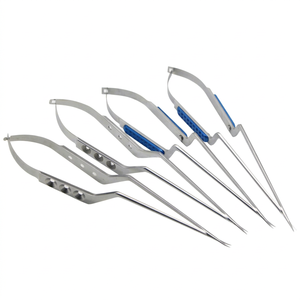
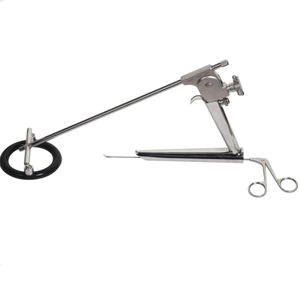
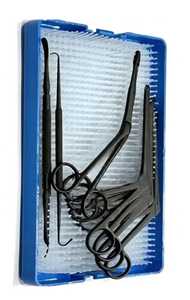
Executive Sourcing Guide: Surgical Clamps Procurement for Portugal Healthcare System
An authoritative analysis on supply chain optimization under EU MDR (2017/745) for Portuguese medical device distributors and hospital procurement heads.
The Portuguese healthcare ecosystem—comprising the public Serviço Nacional de Saúde (SNS) alongside rapidly expanding private hospital networks such as Grupo CUF, Luz Saúde, and Hospital Lusiadas—demands surgical instruments of uncompromised precision, total traceabilty, and strict metallurgical durability. Among essential surgical equipment, surgical clamps (including hemostatic forceps, vascular clamps, intestinal clamps, and towel clamps) represent the highest-frequency tactile touchpoints in any operating theatre. As European healthcare inflation exerts cost pressures on hospital tenders, Portuguese procurement managers are actively diversifying their supply chains beyond traditional, high-markup Central European brands toward tier-1 OEM manufacturing partners in China.
However, penetrating Portugal’s medical device market requires absolute alignment with INFARMED (Autoridade Nacional do Medicamento e Produtos de Saúde, I.P.) standards and full adherence to the revised European Medical Device Regulation (EU MDR 2017/745). China’s leading surgical clamp manufacturers have undertaken extensive industrial upgrades—implementing German-grade CNC machining, automated vacuum heat treatment, and chemical passivation—to yield surgical clamps that match or exceed historic European benchmarks at a 40% to 60% procurement cost efficiency.
Surgical clamps imported into Portugal must resist galvanic corrosion across thousands of autoclave cycles (134°C steam pressure sterilization). Chinese factories utilizing high-chromium AISI 410 and 420J2 martensitic stainless steel with certified passivation per ASTM A967 are currently setting the benchmark for public SNS tender qualification.
Comprehensive Technical Taxonomy: Surgical Clamps & Forceps Engineering
Precision-engineered jaw geometries, box-lock mechanisms, and specialized serrations for surgical specialties.
Hemostatic Clamps & Forceps
Designed to occlude blood vessels and control hemorrhage. Features micro-serrated jaws with precision-fitted ratchets for multi-stage locking tension.
- Mosquito Clamps (Halsted): Delicate 12.5cm curved/straight for fine vascular surgery.
- Crile & Kelly Forceps: Transverse serrations for clamping medium vessels.
- Pean / Rochester-Carmalt: Deep longitudinal grooves for heavy tissue hemostasis.
Atraumatic Vascular Clamps
Engineered with DeBakey or Cooley non-damaging rib serrations to temporarily occlude arterial and venous structures without intima destruction.
- Satinsky Vascular Clamps: Multi-angled jaw profiles for vena cava and aortic clamping.
- Glover & Cooley Clamps: Lightweight spring action for peripheral vascular bypass.
- Bulldog Clamps: Compact spring-loaded clamps for micro-vascular anastomoses.
Tissue & Intestinal Clamps
Built for grasping delicate organs, visceral wall, and fascia without localized pressure necrosis during gastrointestinal or gynecological procedures.
- Babcock Tissue Clamps: Triangular fenestrated jaws for bowel/tubal grasping.
- Allis Forceps: Interlocking 4x5 or 5x6 teeth pattern for tough fascial tissue.
- Kocher (Ochsner) Clamps: Aggressive 1x2 tooth tip preventing slip on dense tissue.
Metallurgical Science & Production Quality Control
How Chinese manufacturing excellence guarantees surgical clamp longevity, sharpness retention, and zero-defect box-lock alignment.
A surgical clamp is only as reliable as its raw material alloy and heat treatment protocol. Our production facilities in China utilize strictly tested AISI 410 (1.4006) and AISI 420J2 (1.4028) martensitic stainless steel, alongside optional high-grade German forging stock. Martensitic alloys provide the ideal matrix for heat treating to achieve a Rockwell Hardness (HRC) of 50–56, ensuring that ratchet teeth do not strip under mechanical stress and clamp jaws maintain precise tactile alignment.
Advanced Manufacturing Lifecycle
- Precision Drop Forging: High-energy die forging aligns the grain structure of the steel, preventing micro-fractures under high flexural load.
- CNC Box-Lock Milling: Male and female joint halves are milled to sub-micron tolerances, ensuring frictionless rotation with zero jaw side-play.
- Computer-Controlled Heat Treatment: Vacuum furnace hardening followed by dual-stage tempering prevents brittleness and relieves internal stress.
- Tungsten Carbide (TC) Insertion: For high-wear grasping surfaces, gold-handled TC inserts (HRA 88-90) are silver-brazed onto jaw faces.
- Automated Chemical Passivation: Citric or nitric passivation removes free iron particles, forming a dense chromium oxide passive layer.
Rigorous Quality Assurance Standards
Every production batch bound for European destinations like Lisbon or Porto undergoes mandatory laboratory verification prior to export clearance:
- Boiling Water Test (ISO 7153-1): 30-minute immersion in boiling distilled water followed by 24-hour air drying to verify absolute rust immunity.
- Thermal Autoclave Fatigue: Samples endure 100 continuous steam sterilization cycles at 134°C / 2.1 bar to verify structural stability.
- Ratchet Lock Tension Test: Mechanical stress testing ensures smooth engagement and release across all 3 to 6 ratchet steps.
- Laser UDI Marking: Direct Part Marking (DPM) with ISO/IEC 16022 Data Matrix codes for total hospital tracking compliance under EU MDR.
Direct Sourcing Matrix: Top China Manufacturer vs. Legacy European Brands
Evaluating material specifications, regulatory compliance, and total cost of ownership for Portuguese medical buyers.
| Evaluation Parameter | China Top Manufacturer (Direct OEM) | Legacy Western European Brands | Generic Low-Cost Suppliers |
|---|---|---|---|
| Raw Material Origin | Certified AISI 410 / 420J2 & German Steel Stock | German / Swedish Surgical Steel Stock | Uncertified 300/400 Grade Scrap Blend |
| Regulatory Certification | Full EU MDR (2017/745), CE Mark, ISO 13485 | Full EU MDR, CE Mark, ISO 13485 | Incomplete CE paperwork, ISO 9001 only |
| Rockwell Hardness (HRC) | Controlled 50 – 56 HRC (58 HRC for TC Jaws) | Controlled 50 – 54 HRC | Inconsistent (<42 HRC or >60 HRC Brittle) |
| Corrosion Resistance | Passivated per ASTM A967; Passed ISO 7153-1 | Passed ISO 7153-1 | Pitting/Rust observed after 5-10 autoclave cycles |
| OEM & Private Label | Full Laser Etching, Custom Packaging, Low MOQ | Restricted to large annual distributor contracts | Basic logo stamping; no UDI compliance |
| Unit Cost Ratio | Baseline (1.0x) — 40-60% Savings | High Overhead Premium (2.5x – 4.0x) | Ultra-Low initial cost (High replacement rate) |
| Defect Guarantee | Lifetime Guarantee Against Defect | 1 to 3 Years Limited Warranty | No clear after-sales recourse |
Localized Healthcare Applications Across Portugal’s Medical Infrastructure
Tailoring surgical clamp supplies to regional hospital hubs, academic medical centers, and private clinic networks in Portugal.
Public Hospital Tenders (Serviço Nacional de Saúde - SNS)
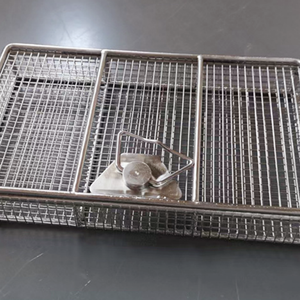
In major central hospitals such as Hospital de Santa Maria (CHULN, Lisbon) and Centro Hospitalar Universitário de São João (Porto), operating rooms run high-volume surgical schedules across general surgery, trauma, and emergency care. Procurement tenders prioritize high-throughput reusable surgical clamp sets packed in standardized stainless steel sterilization baskets. Our factory provides complete OEM box-lock hemostats that seamlessly integrate into existing hospital CSSD (Central Sterile Supply Department) autoclave racks, lowering cost-per-procedure over a multi-year service lifespan.
Private Hospital Groups & Specialized Units
Private networks including Grupo CUF (CUF Tejo, CUF Descobertas) and Luz Saúde demand ergonomic instruments with specialized non-glare satin or matte black titanium-nitride coatings to prevent surgeon eye strain under modern LED surgical lights. Additionally, specialized centers in Coimbra and Algarve rely on our micro-neurosurgery lightweight titanium and stainless clamps for delicate spinal and vascular procedures where tactile feedback is critical.
We support seamless DDP/DAP shipments directly to logistics hubs in Lisbon, Leixões (Porto), and Sines. All export shipments include full EU customs declaration documentation, Certificate of Analysis (CoA), ISO 13485 quality audit reports, and compliant CE declarations of conformity.
Portugal Healthcare Procurement Trends & Search Intent Analysis
Key drivers influencing medical device purchasing decisions across the Iberian Peninsula.
1. Strict INFARMED & EU MDR Mandates
Importers in Lisbon and Porto are seeking Chinese manufacturing partners who provide turnkey compliance packages, eliminating regulatory bottlenecks during custom clearance and health authority spot checks.
2. Green Procurement & Reusability
With European sustainability directives discouraging single-use plastic waste, Portuguese hospitals are re-investing in durable OR-grade reusable surgical instruments backed by long-term defect guarantees.
3. OEM & Private Label Branding
Portuguese medical distributors are increasingly building their own proprietary surgical brand lines. Factories offering customized laser etching, localized packaging, and low MOQs gain decisive market share.
Why Partner With Our China Manufacturing Facilities
Direct factory production, custom engineering, and total supply chain security for Portuguese distributors.
Direct Factory Capabilities
- 80,000+ Existing Tooling Patterns: Deep catalog covering general surgery, microsurgery, ENT, orthopedics, dental, and cardiovascular clamps.
- In-House Metallurgical Testing Lab: Spectrometric material composition analysis, salt-spray corrosion chamber, and hardness testing.
- Precision Custom Engineering: Capability to manufacture bespoke clamp patterns from technical drawings, CAD files, or physical reference samples.
- Cleanroom Packaging Facilities: ISO Class 7 cleanrooms for sterile single-use or protective bulk packaging of reusable sets.
B2B Buyer Protection & Guarantees
- Lifetime Manufacturing Defect Guarantee: Free replacement or credit for any instrument exhibiting structural or material failure.
- Pre-Production Sample Approval: Fast physical sample evaluation shipped via DHL/FedEx to Portugal within 5 to 7 business days.
- Strict Confidentiality & NDA: Protecting proprietary OEM designs and localized branding strategies for Portuguese distributors.
- Responsive Multilingual Support: Dedicated international sales engineers providing fast quotations and technical compliance support.
Frequently Asked Questions (FAQ) for Portuguese Medical Buyers
Clear, detailed answers regarding regulatory compliance, ordering procedures, sample evaluation, and shipping to Portugal.
Yes, absolutely. All our surgical clamps, hemostatic forceps, and surgical tools are manufactured under an ISO 13485 certified quality management system. They hold full CE marking documentation and comply with the European Medical Device Regulation (EU MDR 2017/745). We provide complete technical files, Declaration of Conformity (DoC), and testing certificates required by INFARMED and European hospital procurement boards.
We primarily manufacture surgical clamps using high-grade medical martensitic stainless steel, including AISI 410 and AISI 420J2 (1.4028). For cutting or high-wear grasping surfaces, we offer premium Tungsten Carbide (TC) inserts brazed onto the jaws. Upon request, we also process imported German stainless steel stock for specialized hospital tenders.
Yes. We offer complete OEM and private-label manufacturing services. We can laser-etch your company logo, custom part numbers, CE mark, and UDI (Unique Device Identification) Data Matrix codes directly onto the instrument box-lock or handle. We also customize outer box packaging and sterilization pouch labeling to match your brand requirements.
Our standard MOQ for standard catalog clamp items (such as Halsted Mosquito, Crile, Pean, or Babcock forceps) starts at 50 to 100 pieces per pattern. For custom OEM designs or specific trial orders for Portuguese medical distributors, we offer flexible low-MOQ evaluation options.
Every production batch undergoes automated chemical passivation per ASTM A967 to build a dense chromium oxide passive layer. We conduct mandatory boiling water corrosion testing (ISO 7153-1) and high-temperature steam autoclave fatigue cycles (134°C) to guarantee zero pitting, staining, or rusting during routine hospital sterilization in CSSD units.
Standard production lead time for bulk orders ranges from 25 to 35 days depending on batch size and packaging customization. Express sample shipments via DHL/FedEx arrive in Portugal within 4 to 6 working days. Air freight to Lisbon (LIS) or Porto (OPO) takes 5 to 7 days, while sea freight to Lisbon or Leixões ports typically takes 28 to 35 days.
Yes. We strongly encourage hospital procurement teams and distributors to request samples for physical and clinical evaluation. We provide sample sets for inspective testing—including jaw tension alignment, ratchet smoothness, finish, and balance—prior to confirming volume production contracts.
All our reusable OR-grade surgical instruments come backed by a Lifetime Guarantee against manufacturing, material, or workmanship defects. If any clamp exhibits structural failure or material defects under normal surgical usage and recommended autoclave protocols, we offer immediate free replacement or credit refund.
Ready to Optimize Your Surgical Clamp Supply Chain for Portugal?
Connect with our expert engineering and export team today. Receive instant technical quotations, material test reports, and sample evaluations tailored to your hospital or distribution requirements.