
Precision Medical Sterilization Systems
Direct Factory Supply for Hospitals, TSD/CSSD Procurement, and Medical Device Distributors across South Africa
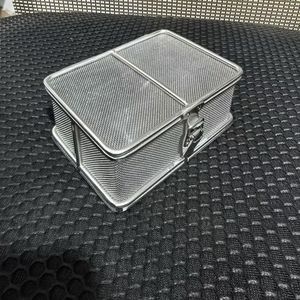
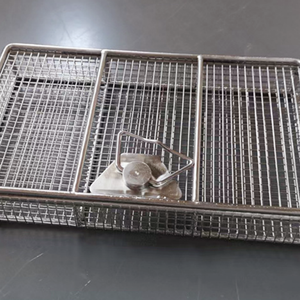
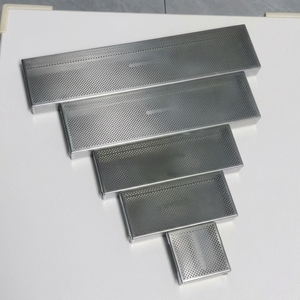
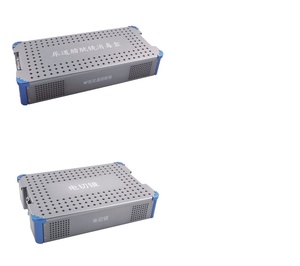
1. Strategic Overview: Navigating Sterilization Tray Procurement in South Africa
The South African healthcare sector represents a dynamic, highly regulated landscape split between a robust private hospital network (including major healthcare groups such as Netcare, Mediclinic, and Life Healthcare) and expansive public provincial healthcare systems overseen by the Department of Health (DoH). For Central Sterile Supply Departments (CSSD), Theatre Sterile Supply Units (TSSU), and medical equipment distributors across Gauteng, the Western Cape, and KwaZulu-Natal, maintaining rigorous infection control protocols while managing operational expenditure is a primary directive.
As a leading China Wholesale Sterilization Trays Factory and Direct Exporter, our enterprise specializes in high-precision, autoclavable instrument containers, wire mesh baskets, and specialized silicone-lined cassettes engineered specifically to meet South African National Standards (SANS 1186 / ISO 17665) and South African Health Products Regulatory Authority (SAHPRA) guidelines.
Modern surgical practices demand sterilization containers that ensure complete steam penetration, zero moisture retention (prevention of "wet pack" syndrome), and superior protection for micro-surgical instruments during transit between CSSD wash bays and operating theatres. By bypassing intermediary trading entities, South African healthcare procurement teams directly access factory-gate pricing, comprehensive OEM customization, and guaranteed metallurgical compliance (AISI 304 and AISI 316L medical-grade stainless steel).
SAHPRA & SANS Alignment
Full compliance with ISO 13485, CE Marking, and SANS sterilization validation standards for immediate hospital integration.
Corrosion Resistance
Electro-polished AISI 316L/304 steel with chemical passivation (ASTM A967) to withstand aggressive local municipal water profiles.
Thermal Resilience
Resilient structural integrity engineered for heavy steam autoclave cycles up to 138°C (280°F) and ethylene oxide (EtO) processing.
2. Structural Engineering & Metallurgical Architecture
Sterilization trays are not merely storage hardware; they are critical functional components within the sterile barrier system. Poorly manufactured trays made from inferior steel grades (such as non-passivated SS201) are highly susceptible to pitting corrosion, stress cracking, and weld joint degradation when exposed to repetitive high-pressure steam autoclaving, enzymatic detergents, and automated washer-disinfectors.
2.1 Material Selection: AISI 304 vs. AISI 316L Stainless Steel & Anodized Aluminum
Our manufacturing facility utilizes strictly verified raw materials accompanied by Mill Test Certificates (MTC):
- AISI 304 (UNS S30400): The global standard for general surgical baskets and dishwashing trays. Containing 18% chromium and 8% nickel, it offers excellent ductility and tensile strength for high-capacity instrument processing.
- AISI 316L (UNS S31603): Formulated with 2-3% Molybdenum, AISI 316L is mandatory for high-salinity coastal environments in South Africa (such as coastal facilities in Durban, Cape Town, and Port Elizabeth) and micro-surgical applications. The low carbon content prevents intergranular corrosion during welding.
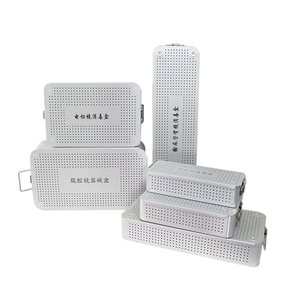
- Medical Grade Anodized Aluminum (Type II & III Hard Anodization): Used for lightweight orthopedic and endoscope cassettes. Features exceptional thermal conductivity for rapid drying cycles while maintaining structural color-coding for surgical disciplines.
2.2 Advanced Surface Treatment: Electropolishing & Passivation
Standard mechanical polishing leaves microscopic burrs and directional scratches where bio-burden, organic proteins, and mineral deposits accumulate. Our factory employs a proprietary multi-stage automated surface treatment process:
1. Electrolytic Deburring & Electropolishing: An electrochemical bath removes micro-peaks from the metal surface, creating a mirror-like finish with a surface roughness ($Ra$) under $0.4\,\mu\text{m}$. This smooth surface prevents bacterial adhesion and optimizes automated washing efficiency in washer-disinfectors.
2. Chemical Passivation (ASTM A967 Standard): Trays undergo nitric or citric acid passivation to eliminate free iron particles introduced during wire forming or laser cutting. This process enriches the chromium-to-iron ratio on the surface, forming a self-healing chromium oxide barrier ($\text{Cr}_2\text{O}_3$) that guarantees long-term rust prevention.
| Performance Feature | Standard Wire Mesh Basket | Perforated Stainless Cassette | Aluminum Sterilization Container |
|---|---|---|---|
| Primary Material | AISI 304 Stainless Steel Wire | AISI 304 / 316L Sheet & Mesh | Hard-Anodized Aluminum Alloy |
| Airflow / Steam Ratio | Maximum (85%+ Open Area) | Optimized (35-45% Perforated) | Vented Top/Bottom with Filter Pads |
| Instrument Protection | Basic (Requires Silicone Dividers) | High (Integrated Silicone Modules) | Superior (Fully Enclosed Box) |
| Stackability Design | Corner Handles / Folding Handles | Interlocking Frame Edges | Rigid Stackable Lid Grooves |
| Primary SA Use Case | CSSD Wash Bays & General OR Sets | Dental, Orthopedic & Laparoscopy Sets | Specialized Implant & Delicate Instrument Kits |
3. Localized Application Scenarios Across South Africa
Understanding local operating realities is critical for delivering value in the South African healthcare ecosystem. From managing water quality variances across provinces to mitigating the operational impact of municipal load-shedding on autoclave drying cycles, our tray designs incorporate targeted engineering solutions.
Private Hospital Groups (Netcare, Mediclinic, Life)
Focus on rapid inventory turnaround, premium laser-etched matrix tracking, specialized laparoscopic inserts, and absolute zero-defect micro-instrument protection.
Public Sector Tenders & Provincial DoH Facilities
High-volume, heavy-duty wire mesh baskets designed for longevity, budget optimization, universal compatibility with legacy autoclaves, and robust stackability.
3.1 Specialized Medical Disciplines & Custom Layouts
Modern surgical procedures require specialized sterilization containment to protect delicate cutting edges, fiber-optic light cables, and fragile scope lenses:
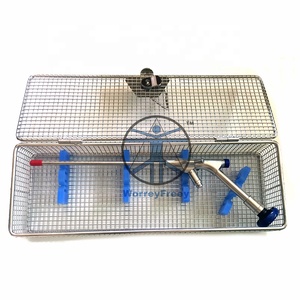
- Orthopedic Spine & Transforaminal Endoscopy (6.3mm Scopes): Custom internal silicone matting securely locks spinal curettes, reamers, and endoscopes in place, eliminating micro-movements during ultrasonic agitation and high-pressure steam processing.
- Obstetrics & Gynecology (Hysterectomy Instrument Trays): Deep-profile stainless steel perforated boxes capable of housing heavy speculums, tenaculum forceps, and retractors while allowing thorough steam distribution across dense metal loads.
- Dental & Maxillofacial Surgeries: Compact lockable cassettes featuring Medical-Grade Silicone Fixation Strips (Shore A hardness 60) that hold up to 20 instruments, reducing manual handling injuries during instrument scrubbing.
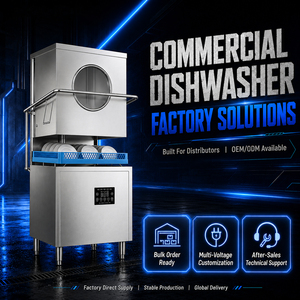
- Commercial & Institutional Hospital Catering: High-throughput 304 stainless steel dishwasher trays rated for up to 1,200 trays/hour in central kitchen dishwashers, compliant with NSF hygiene standards.
4. South Africa Market Insights & Regulatory Trends
Procurement policies within South Africa have shifted significantly over the past decade. Buyers are moving away from unbranded, low-grade metal boxes toward certified, traceable sterilization container systems. Key trends shaping the market include:
1. SAHPRA Compliance & Regulatory Audits: Medical device distributors must register imported sterilization equipment with SAHPRA. Our factory provides complete technical files, ISO 13485 quality management documentation, material safety data sheets, and ISO 17665 steam sterilization validation reports to accelerate local licensing.
2. Resilience Against Power Fluctuation (Load-Shedding Adaptation): Unexpected power outages mid-cycle can compromise autoclave drying phases. Our perforation geometry (35% to 45% open surface ratio) enhances natural convection and thermal heat dissipation, minimizing condensation retention and preventing wet packs even during abbreviated drying cycles.
3. Total Cost of Ownership (TCO) vs. Initial Purchase Price: South African procurement managers increasingly recognize that cheaper SS201 trays fail within 6 to 12 months due to tea-staining, joint fractures, and rust contamination. Investing in electropolished AISI 304/316L trays extends operational lifespans beyond 10+ years of daily autoclaving, drastically lowering TCO.
5. Factory Direct Capabilities: OEM, ODM & Customization
As a direct manufacturing facility in China, we operate state-of-the-art production infrastructure, offering complete OEM and ODM customization for international medical brands and regional South African distributors:
- 3D CAD/CAM Tooling & Prototyping: Send us your technical drawings or physical samples; our engineering team can produce functional samples within 7 business days.
- Laser Cutting & Robotic TIG Welding: Precision fiber lasers cut custom perforation patterns, while robotic TIG welding ensures smooth, burr-free joint connections that eliminate sharp edges capable of puncturing sterile wrap paper.
- Private Labeling & Traceability: Custom laser-etching of hospital names, department logos, matrix QR codes, and DIN instrument sizing directly onto container frames.
- Custom Silicone Inserts: Precision compression-molded silicone brackets available in multiple colors (blue, yellow, green, red) for instant visual identification of surgical specialty sets.
6. Supply Chain Logistics: Direct Exporter Corridor to South Africa
We maintain streamlined export logistics pathways tailored to South African sea and air freight entry points:
Maritime Shipping (LCL & FCL): Regular containerized shipments dispatched to Durban (Port Natal)—the primary maritime gateway for Gauteng distribution hubs—as well as direct routes to Cape Town Port and Gqeberha (Port Elizabeth). Typical transit times range from 18 to 24 days.
Air Cargo Expedited Service: For urgent hospital tenders or custom surgical set rollouts, direct air cargo routes to O.R. Tambo International Airport (Johannesburg) and Cape Town International Airport deliver door-to-port or door-to-door within 4 to 7 business days.
Export Documentation Package: Every shipment includes a Commercial Invoice, Packing List with HS Code (8419.90 / 7326.90), Certificate of Origin (Form A / Chamber of Commerce), Bill of Lading, and Factory Quality Inspection Certificates.
Frequently Asked Questions by South African Buyers
Expert Guidance on Compliance, Material Specifications, Customs & Ordering Procedures
Partner with China’s Leading Sterilization Tray Factory
Direct Factory Pricing · OEM Custom Design · Guaranteed ISO 13485 & CE Quality for South African Hospital Procurement
Get a Quote