Featured Specialty & Orthopedic Instruments
Explore high-precision surgical solutions designed for complex clinical applications in spine, neurosurgery, ENT, and orthopedic trauma.
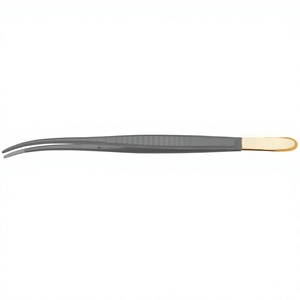
1. The Istanbul Orthopedic Ecosystem & Regional Manufacturing Dynamics
Istanbul has emerged as a cornerstone of international medical technology, bridging European regulatory standards with Asian and Middle Eastern manufacturing corridors. As a central nexus for medical tourism, specialized trauma centers, and advanced joint replacement procedures, the demand for high-tier medical instruments in Turkey has catalyzed rapid industrial expansion. Hospitals across Istanbul—ranging from large-scale university research complexes to private international surgical institutes—require an uninterrupted supply of Operating Room (OR) grade orthopedic instruments that meet strict European Union Medical Device Regulation (EU MDR 2017/745) benchmarks.
The synergy between historical forging craftsmanship and state-of-the-art CNC five-axis machining has enabled factories operating within and serving the Istanbul market to set new standards in tactile ergonomics, edge retention, and fatigue resistance. Procurement teams sourcing from Istanbul benefit not only from streamlined freight logistics across Eurasia, but also from flexible Original Equipment Manufacturer (OEM) and Private Label partnership frameworks capable of handling high-mix, low-volume custom instrument configurations.
High-Purity Metallurgy
Manufactured using AISI 410, 420, and German-imported martensitic stainless steel to deliver superior tensile strength and corrosion resistance across hundreds of autoclave cycles.
Tungsten Carbide Integration
Precision-welded Tungsten Carbide (TC) gold-handle inserts for needle holders, rongeurs, and cutting scissors, offering up to 5x prolonged edge durability compared to standard steel.
ISO 13485 Audit Trail
Comprehensive lot-level traceability, ultrasonic cleaning, chemical passivation, and individual visual inspections backed by full ISO 9001 and ISO 13485 certification.
2. Material Science & Engineering Standards in Orthopedic Manufacturing
Surgical instruments intended for bone cutting, cartilage rasping, spinal decompression, and joint reconstruction endure extreme mechanical stress and abrasive forces. To prevent structural micro-fractures, jaw misalignment, or surface pitting, manufacturing processes must rigidly adhere to specialized metallurgical protocols:
A. Martensitic vs. Austenitic Stainless Steel Selection
Cutting and gripping instruments—such as rotatable intervertebral rongeurs, bone cutting forceps, and microsurgical scissors—are crafted from high-carbon martensitic stainless steel (AISI 410 / AISI 420 / DIN 1.4116). Through controlled vacuum heat treatment and oil quenching, these alloys achieve a Rockwell C Hardness (HRC) of 50 to 56. This hardness is crucial for maintaining razor-sharp cutting edges during complex osteotomies. Conversely, non-cutting components such as retractors and suction tubes utilize ductile austenitic steel (AISI 304) to ensure high flexibility without brittle failure under mechanical tension.
B. Surface Passivation & Electrochemical Polishing
Raw forged instruments undergo rigorous chemical passivation in warm nitric or citric acid baths. This process selectively extracts free iron from the surface layer, leaving behind an impenetrable, self-healing chromium oxide barrier ($\text{Cr}_2\text{O}_3$). This passivation layer guarantees resistance against pitting corrosion caused by saline solutions, biological fluids, and enzymatic cleaning agents used in modern central sterile supply departments (CSSD).
| Instrument Category | Material Specification | Hardness Rating (HRC) | Primary Clinical Application |
|---|---|---|---|
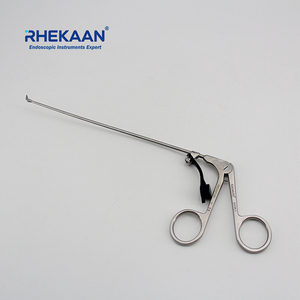
| Bone Rongeurs & Kerissons | AISI 420 / TC Inserts | 52 – 56 HRC | Laminectomy, intervertebral disc removal, neuro-spine decompression |
| Tissue & Micro Forceps | AISI 410 / German Steel | 45 – 48 HRC | Microsurgical tissue handling, soft-tissue flap dissection |
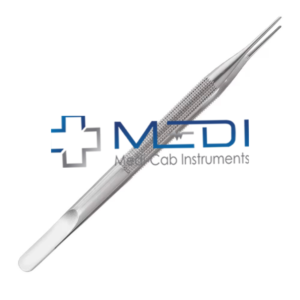
| Electrosurgical Monopolar Forceps | Insulated Stainless Steel + Onyx Tip | N/A (Coagulation) | Hemostasis in neck, breast, and deep reconstructive surgery |
| Rigid ENT Laser Accessories | Medical-Grade Titanium / 316L | High Corrosion Resistance | Endoscopic nasal laser ablation, micro-laryngeal surgery |
3. Clinical Application Scenarios Across Specialized Surgical Fields
The modern hospital ecosystem requires task-specific instruments refined for distinct surgical subspecialties. By incorporating feedback from practicing orthopedic surgeons, neurosurgeons, and ENT specialists, our product lines are tailored for maximum ergonomic efficiency and surgical control:
Spine Surgery & Neurosurgical Decompression
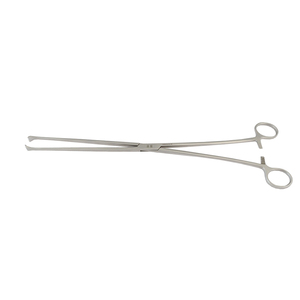
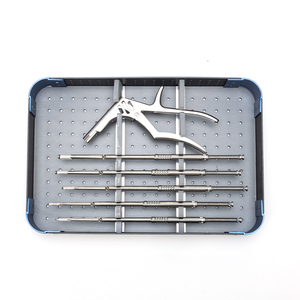
Instruments such as the Rotatable Intervertebral Rongeur provide 360-degree shaft rotation, allowing spine surgeons in busy Istanbul trauma centers to execute precise laminectomies and discectomies without repositioning their grip. Reduced hand fatigue and smooth ratchet mechanisms directly translate to shorter intraoperative times and diminished tissue trauma.
Micro-ENT & Laryngological Operations
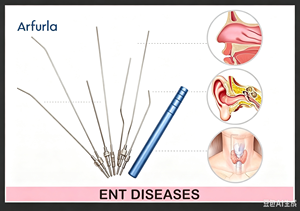
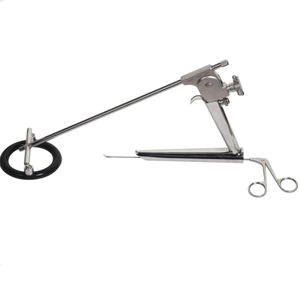
Operating within narrow anatomical passages requires specialized reach and high-definition illumination. The Self-Retaining Laryngoscope Set with Fiber Optics integrated with 230mm Micro Laryngeal Scissors enables millimeter-precise vocal cord polyp recessions and trans-nasal endoscopic interventions. Anti-glare satin finishes prevent reflection under intense surgical microscope lighting.
Microsurgery & Tissue Reconstruction
Ultra-fine surgical tasks demand delicate tip alignment. Custom Micro Surgical Forceps and precision micro scissors feature non-magnetic titanium or spring-steel bodies designed to manipulate nerve bundles, micro-vessels, and delicate skin grafts without crushing soft tissue structures.
4. Istanbul & Regional Medical Procurement Dynamics
Turkey’s strategic position as a global medical center has created unique procurement expectations for hospital purchasing managers, international healthcare tenders, and private label distributors. Key trends driving the market include:
- Shift Towards Total Cost of Ownership (TCO): Procurement directors are moving away from single-use low-quality tools toward reusable, autoclavable OR-grade instruments backed by a lifetime warranty against manufacturing defects.
- Demand for Rapid OEM/ODM Customization: Hospitals increasingly demand custom laser marking, color-coded instrument handles for rapid CSSD sorting, and custom-curated surgical trays for specific procedure packs.
- Compliance with Strict Regulatory Frameworks: International buyers operating through Istanbul distribution hubs require complete technical files (STED), CE marking certificates, and declaration of conformity under ISO 13485 standards.
Frequently Asked Questions for B2B Procurement
Comprehensive technical and commercial answers tailored for hospital purchasing departments and medical device distributors.
Partner with a Leading Orthopedic Manufacturing Authority
Streamline your hospital procurement or establish your private label medical brand today. Speak directly with our technical engineering team for instant quotations and product specifications.
Contact Us