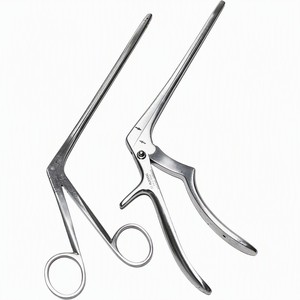
Precision Surgical Tool Catalog
Explore our operating room (OR) grade reusable instruments, endoscopic accessories, micro-forceps, and tungsten-carbide embedded surgical tools engineered for Serbian hospitals and global tenders.
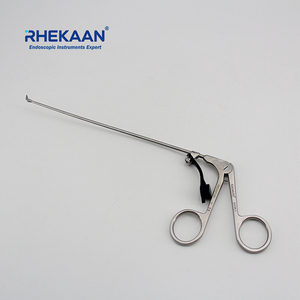
Premium 230mm Stainless Steel Laryngology ENT Micro Nasal Laryngeal Surgery Instruments Operating Cutting Scissors Forceps
Inquire Now
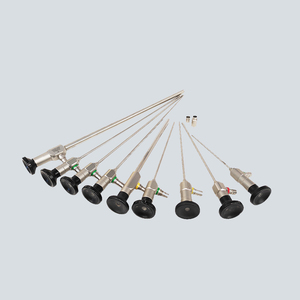
Low Price Customized Steel 4.0mm Endoscopic Instruments Medical Rigid Ent Sinuscope Endoscope
Inquire Now
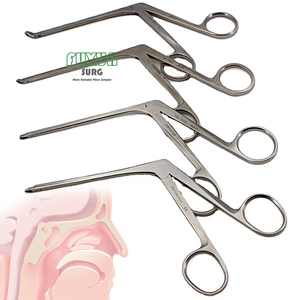
Rhinology Premium ENT Blakesley Nasal Tissue Operating Forceps 105 130 140 mm Scissors and Rongeur Manual Steel Instrument
Inquire Now
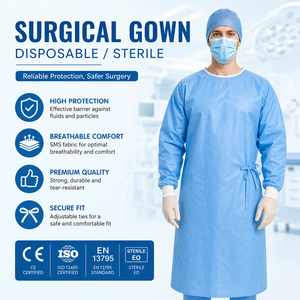
Premium AAMI Level 3 Sterile Surgical Gown 160 MmHg Fluid Resistance Individually Wrapped Doctor Gowns
Inquire Now
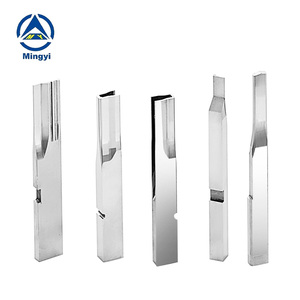
Tungsten Carbide Punch With High Impact Resistance - Custom Sizes & Shapes Available
Inquire Now
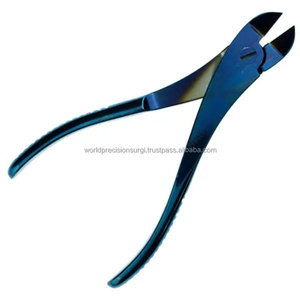
WPS 7 Inch Tungsten Carbide Manual Orthopedic Surgical Wire Cutter TC Jaws Hard Wire Cutting Forceps Medical Instrument
Inquire Now
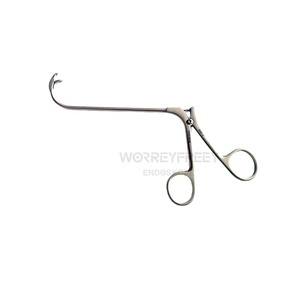
Nasal Tissue Forceps Ent Surgical Instruments ENT Endoscope ENT Instrument
Inquire Now
CNC Machining Medical Crocodile Forceps ENT Surgical Instruments Crocodile Ear Forceps Nasal Cutting Forceps, Dental Instruments
Inquire Now
80,000+
Patterns & Instrument Models
100%
Autoclave Passivation Tested
120+
Countries Exported Worldwide
ISO 13485
Certified Quality System
Industry Whitepaper & Technical Report
1. Serbia Medical Device Market & Stainless Steel Surgical Instrument Supply Chain
The healthcare infrastructure in Serbia—anchored by major public tertiary institutions like the Univerzitetski Klinički Centar Srbije (UKCS) in Belgrade, the Klinički Centar Vojvodine in Novi Sad, the Klinički Centar Niš, and the prestigious Vojnomedicinska Akademija (VMA)—demands surgical instrumentation that meets the highest standards of structural integrity, biocompatibility, and autoclave longevity. Concurrently, the rapid growth of private healthcare networks such as MediGroup, Euromedik, and specialized plastic and orthopedic surgical clinics across Belgrade has accelerated the need for high-precision, direct-from-factory surgical tool supplies.
As a leading Stainless Steel Surgical Tools Manufacturer and OEM Factory servicing Serbia, DR MIRZA bridges the critical gap between traditional European high-cost tool distributors and direct-factory procurement. Serbian medical procurement managers and hospital buyers face continuous pressure to optimize operating room budget allocations without compromising clinical outcomes. Our direct manufacturing pipeline delivers surgical-grade steel tools fully compliant with the Agency for Medicines and Medical Devices of Serbia (ALIMS - Agencija za lekove i medicinska sredstva Srbije) regulatory guidelines, aligning with the EU Medical Device Regulation (MDR 2017/745).
Whether supplying standard general surgery scalpel handles and hemostatic forceps, complex microsurgical ENT laryngeal instruments, or high-impact tungsten carbide orthopedic cutters, our manufacturing processes rely strictly on certified martensitic and austenitic stainless steel alloys sourced directly from top metallurgical suppliers in Germany and Japan.
Metallurgical Precision
Utilizing AISI 410, AISI 420, and AISI 316L medical-grade stainless steel with exact carbon-to-chromium ratios to guarantee maximum hardness, corrosion resistance, and elasticity.
ALIMS & EU MDR Compliance
Full compliance documentation including ISO 13485:2016, ISO 9001, and CE marks required for seamless registration with ALIMS for Serbian market distribution.
Lifetime Defect Guarantee
Every reusable stainless steel instrument is protected by a factory-backed lifetime warranty against manufacturing defects, stress fractures, and premature corrosion.
2. Technical Metallurgy & Engineering Specifications of Surgical Tools
The manufacturing of surgical instruments is fundamentally an exercise in applied metallurgy and precision mechanical engineering. A common failure point in low-grade surgical tools imported into Eastern Europe is pitting corrosion and jaw misalignment after repeated steam sterilization cycles. To overcome these issues, DR MIRZA enforces rigorous chemical composition standards for every batch of raw steel bar stock.
Key Surgical Grade Alloys Employed in Our Factory
Depending on the clinical function—cutting, grasping, retracting, or bone clamping—different stainless steel microstructures are selected:
- Martensitic Stainless Steel (AISI 420 / DIN 1.4021, 1.4034): Highly heat-treatable steel containing 12–14% chromium and balanced carbon content. Used primarily for cutting instruments such as operating scissors, Mayo scissors, micro-dissecting shears, and Blakesley nasal forceps. Achieving a Rockwell hardness of 50 to 54 HRC ensures long-lasting edge retention without brittle snapping.
- Martensitic Stainless Steel (AISI 410 / DIN 1.4006): Selected for structural grasping instruments, hemostatic forcep shanks, tissue clamps, and needle holders. AISI 410 provides high tensile strength and resilience against bending stress during deep tissue retraction.
- Austenitic Stainless Steel (AISI 316L / DIN 1.4404): Non-magnetic steel with molybdenum additions, utilized for non-cutting surgical hollowware, retractor blades, and specialized implant trial instruments requiring maximum resistance to chemical oxidation and saline pitting.
- Tungsten Carbide (TC) Gold-Handle Inserts: For high-wear contact surfaces—such as wire cutters, orthopedic pliers, and Mayo-Hegar needle holders—vacuum-brazed Tungsten Carbide inserts (68–72 HRC) are integrated to extend functional tool life by up to 500% compared to standard steel jaws.
| Steel Grade / Material |
Hardness Range (HRC) |
Corrosion Resistance |
Primary Surgical Application |
Sterilization Compatibility |
| AISI 420 (Martensitic) |
50 - 54 HRC |
High (Passivated) |
Cutting Scissors, Bone Rongeurs, Scalpel Handles |
Autoclave & Chemical Sterilization |
| AISI 410 (Martensitic) |
42 - 48 HRC |
Very High |
Hemostatic Forceps, Tissue Clamps, Speculums |
Autoclave & Gamma Irradiation |
| AISI 316L (Austenitic) |
Non-Hardenable (RB 80) |
Maximum / Superior |
Retractor Blades, Tray Systems, Suction Tubes |
Steam Autoclave, ETO, Dry Heat |
| Tungsten Carbide (TC) Inserts |
68 - 72 HRC |
Extreme Wear Resistance |
Wire Cutters, TC Needle Holders, TC Bone Shears |
Autoclave & Thermo-Disinfector |
3. Localized Surgical Tool Application Scenarios Across Serbia's Healthcare Facilities
Understanding user intent and precise clinical workflow requirements enables us to customize instrument sets specifically tailored for Serbian medical departments:
A. Otorhinolaryngology (ENT) & Rhinology in Tertiary Hospitals
In facilities such as the Klinika za ORL i Maksilofacijalnu Hirurgiju (UKCS Belgrade) and regional ENT surgery units in Kragujevac and Niš, micro-nasal procedures demand ultra-delicate tactile control. Our 230mm ENT Micro Laryngeal Scissors and Blakesley Nasal Tissue Forceps feature slender 360-degree rotatable shafts, micro-serrated tips, and glare-free satin finishes. These design elements reduce visual fatigue under high-intensity OR microscopes and endoscopes during sinus surgery (FESS).
B. Orthopedics & Traumatology Units
Serbia's trauma centers require rugged, heavy-duty bone forceps and wire cutters capable of handling Kirschner wires and orthopedic fixation pins. Our 7-Inch Tungsten Carbide Orthopedic Wire Cutters incorporate heavy-duty TC jaw inserts capable of shearing stainless steel pins up to 2.0mm in diameter cleanly without jaw pitting or hand fatigue for the surgeon.
C. Outpatient Clinics & Private Surgical Facilities
For high-turnover private day-surgery centers in Belgrade and Novi Sad, maintaining sterile stock rotation is critical. We provide complete pre-configured, laser-engraved surgery trays—from minor suture sets to advanced endoscopic sinus copy packs—packaged for rapid steam autoclaving in compliance with EN 285 standards.
4. Localized Market Trends & Supply Chain Dynamics in Serbia (2025–2030)
The medical device landscape in Serbia and the broader Western Balkans (including Bosnia & Herzegovina, Montenegro, and North Macedonia) is undergoing a major structural shift driven by three primary economic and regulatory trends:
- Nearshoring & Direct Factory Partnership: European medical buyers are increasingly turning away from multi-layered distributor markup networks in Western Europe. Partnering directly with certified manufacturer factories offers 30% to 50% cost reductions while guaranteeing complete material traceability.
- Transition to Reusable Green Healthcare: While single-use disposables gained temporary traction, Serbian public tender specifications are refocusing on eco-friendly, high-grade reusable surgical tools. A passivated, heat-treated stainless steel forcep can withstand over 1,000 autoclave cycles, yielding a significantly lower total cost per surgical procedure compared to plastic single-use alternatives.
- Strict Digital Traceability & Laser UDI Marking: In line with EU MDR and Serbian regulatory upgrades, hospitals now require Unique Device Identification (UDI) matrix codes laser-etched onto surgical tools. DR MIRZA provides custom fiber-laser marking for item tracking across hospital central sterile supply departments (CSSD).
5. Enterprise Heritage & Quality Assurance Framework: Why Partner with DR MIRZA
Founded by Dr. Inam ul Haq Mirza, a practicing physician who recognized firsthand the shortcomings of poorly balanced OR instruments, DR MIRZA operates state-of-the-art forging and CNC finishing facilities in Sialkot—the recognized global hub for surgical manufacturing—with direct international distribution networks serving clients in over 120 countries.
100% Passivation & Boil Test Inspection
Every production lot undergoes chemical passivation according to ASTM F1089 standards, followed by rigorous boil-testing and copper-sulfate immersion tests to confirm zero free-iron contaminants on instrument surfaces.
OEM & Private Label Customization
We support Serbian medical supply distributors with comprehensive OEM services, including custom CAD mold design, branded laser engraving, custom packaging, and private-label catalog production.
Integrated Quality Control System
Our manufacturing processes are independently audited under ISO 13485 (Medical Devices Quality Management) and ISO 9001, providing complete lot-number batch traceability from raw steel ingot to final delivery.
Request a Custom Quotation or Sample Set for Serbian Procurement
Are you managing a hospital tender in Belgrade, expanding a private medical network in Novi Sad, or seeking an OEM production partner for surgical tools? Our technical export specialists provide detailed price lists, material test certificates, and physical sample kits upon request.
Inquire Now
6. Frequently Asked Questions (FAQ) for Serbian Buyers & Distributors
Q1: How do DR MIRZA surgical instruments comply with ALIMS registration in Serbia?
Our surgical instruments are manufactured under strict ISO 13485:2016 and CE certification standards. We supply complete technical dossiers—including material declarations, biological evaluation reports (ISO 10993), sterilization validation data, and CE declarations of conformity—enabling your regulatory team to register products swiftly with the Agency for Medicines and Medical Devices of Serbia (ALIMS).
Q2: What stainless steel alloys are recommended for heavy-use operating rooms in Serbian public hospitals?
We recommend high-grade martensitic stainless steel AISI 420 (DIN 1.4021/1.4034) for cutting tools and scissors due to its high hardness (50–54 HRC) and sharp retention. For forceps and needle holders, AISI 410 provides optimum elasticity and torque resistance. For maximum lifespan, we recommend tungsten carbide (TC) tipped needle holders and wire cutters.
Q3: Can Serbian medical distributors request custom OEM logo laser-marking and private labeling?
Yes. We provide complete private label and OEM manufacturing services. We can laser-etch your company logo, custom catalog reference numbers, UDI barcode matrixes, and CE markings directly onto each tool shank, as well as providing branded box packaging and sterile pouching.
Q4: What is the standard shipping lead time to Belgrade, Niš, or Novi Sad?
Standard stock orders ship within 7 to 10 business days via express air freight (DHL/FedEx/TNT) directly to Serbia, arriving at Belgrade Nikola Tesla Airport customs within 3–5 days. For large volume tender shipments, consolidated air or sea transport is arranged with full export documentation, including EUR.1 / Certificates of Origin.
Q5: How do you test surgical tools for corrosion resistance prior to export?
Every batch undergoes rigorous chemical passivation followed by the ASTM F1089 standard boil test (boiling in distilled water for 30 minutes followed by 24-hour air drying) and copper sulfate testing to ensure complete absence of unpassivated iron particles that cause rust spots during autoclaving.
Q6: Do you offer sample evaluation sets before signing bulk tender contracts?
Absolutely. We encourage hospital procurement committees and distributor sales teams in Serbia to evaluate sample units. We can ship sample kits of our ENT micro-scissors, TC needle holders, or Blakesley forceps for hands-on clinical evaluation by surgeons.
Q7: What is the warranty policy on reusable stainless steel surgical instruments?
All our reusable OR-grade instruments carry a lifetime warranty covering material defects and workmanship. If any instrument exhibits premature corrosion, mechanical cracking, or jaw fracture during normal intended clinical use and proper reprocessing, it will be replaced free of charge.
Q8: What is the Minimum Order Quantity (MOQ) for custom manufacturing orders?
For standard catalog items, we offer flexible low MOQs starting from 10 to 25 units per pattern to support smaller private clinics. For customized OEM patterns or private labeled sets, MOQs typically range from 50 to 100 units depending on tool complexity.
Partner with a Trusted Stainless Steel Surgical Tool Factory
Join healthcare leaders, surgeons, and distributor networks across Serbia and Europe who rely on DR MIRZA for precision manufacturing, uncompromised quality, and direct factory pricing.
Inquire Now