Featured Surgical & Medical Instrument Series
ISO 13485 & CE Certified Stainless Steel Instruments Engineered for Indonesian Healthcare Facilities
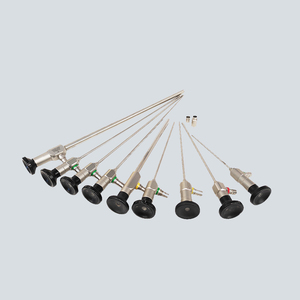
Low Price Customized Steel 4.0mm Endoscopic Instruments Medical Rigid Ent Sinuscope Endoscope
Contact Us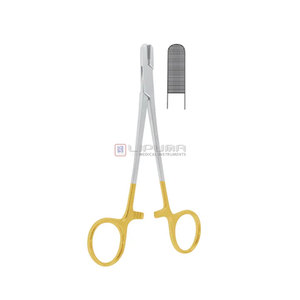
Niro TC Wire Twisting Forceps 15cm Medic Instruments Surgical Dental High Quality Stainless Steel Tungsten Carbide
Contact Us
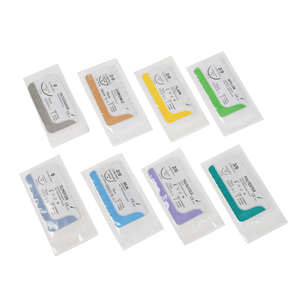
Manufacturer Medical Absorbable Surgical Suture Nylon Silk Catgut Polyglactin 910 PGA Surgical Suture For Sugery
Contact Us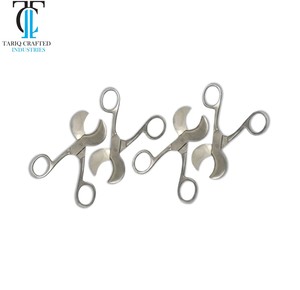
Premium Microsurgical Scissors Micro Surgery Scissors Stainless Steel Precision Surgical Instruments for Ophthalmic Neurosurgery
Contact Us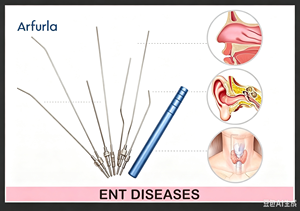
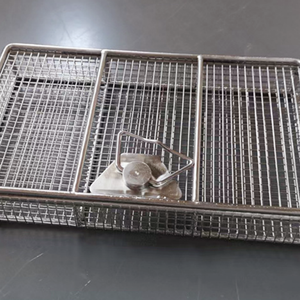
OEM Custom 304 Stainless Steel Wire Mesh Sterilization Basket Disinfection Instrument Tray Stackable Metal Storage Organizer
Contact Us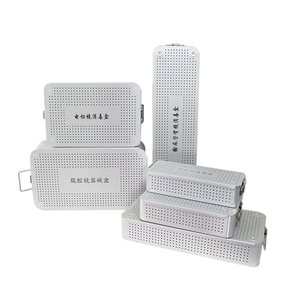
1. Strategic Overview: Surgical Instrument Procurement in Indonesia (2025–2030)
The Indonesian healthcare landscape is undergoing an unprecedented transformation driven by the expansion of the universal health coverage program (BPJS Kesehatan), ongoing hospital infrastructure upgrades across primary (Puskesmas), secondary (RSUD Kelas C & B), and tertiary referral hospitals (RSUP Kelas A like RSCM Jakarta and RSUD Dr. Soetomo Surabaya), and the creation of state-of-the-art medical complexes in the new capital, Nusantara (IKN). As surgical volumes increase exponentially across general surgery, orthopedics, neurosurgery, ENT, and obstetrics-gynecology, hospital procurement committees and medical device distributors face a critical challenge: securing high-grade, durable stainless steel surgical instruments that combine uncompromising clinical precision with economic sustainability.
Operating in Southeast Asia's tropical climate presents unique technical demands for surgical tools. High humidity levels, combined with heavy sterilization cycles using autoclaves and chemical enzymatic washers, demand superior metallurgy. Low-grade stainless steel tools prone to micro-pitting, surface oxidation, or ratchet fatigue not only pose severe cross-contamination risks but also significantly inflate hospital operational expenses. Consequently, Indonesian procurement specialists are increasingly moving away from unbranded, low-tier commodities toward global OEM manufacturing specialists who provide certified medical-grade stainless steel (AISI 410, 420, 304, and German-origin alloys), fully compliant with Ministry of Health Indonesia (Kemenkes RI) registration requirements (Izin Edar AKL/AKD).
Key Takeaway for Indonesian Medical Importers
Success in hospital tenders and private clinical supply in Indonesia relies on three core pillars: Verified Material Passivation (preventing tropical humidity rust), Regulatory Documentation (CE, ISO 13485, Free Sale Certificates), and Direct Manufacturing Partnerships that bypass costly middleman margins.
2. Technical Standards & Metallurgy for Tropical Hospital Environments
Selecting stainless steel surgical instruments for Indonesian hospitals requires a deep understanding of material grades and manufacturing processes. Stainless steel used in surgical instruments is fundamentally divided into two families: Martensitic stainless steel (which can be heat-treated to high hardness for cutting and clamping elements) and Austenitic stainless steel (which offers maximum corrosion resistance for trays, sterilization baskets, and non-cutting handles).
| Steel Grade Standard | Structure Family | Rockwell Hardness (HRC) | Primary Clinical Applications | Corrosion Resistance Level |
|---|---|---|---|---|
| AISI 420 / 1.4021 | Martensitic | HRC 50 – 54 | Dissecting Scissors, Micro-scissors, Scalpel Handles | High (Requires proper passivation) |
| AISI 410 / 1.4006 | Martensitic | HRC 42 – 48 | Hemostatic Forceps, Tissue Grasping Forceps, Retractors | Moderate to High |
| Tungsten Carbide (TC) Inlays | Composite Alloy | HRC 65 – 70 | Needle Holder Jaws, Wire Twisting Forceps, Heavy Scissors | Exceptional Wear Resistance |
| AISI 304 / 1.4301 | Austenitic | Non-hardened | Sterilization Baskets, Instrument Trays, Container Sets | Maximum Chemical & Rust Immunity |
In humid coastal regions such as Jakarta, Semarang, Surabaya, and Makassar, proper chemical passivation according to ASTM A967 standards is critical. Passivation removes free iron from the instrument surface using citric or nitric acid solutions, forming a continuous chromium oxide surface coating. Without this crucial phase during factory production, instruments subjected to steam autoclaving under Indonesian hospital protocols will exhibit early-stage corrosion and pinhole staining.
3. Top 10 Stainless Steel Surgical Instrument Manufacturers & Suppliers for Indonesia
When evaluating global manufacturing partners for the Indonesian market, procurement directors must evaluate technical heritage, OEM/ODM flexibility, quality certifications, and supply stability. Below is an analytical review of the top 10 stainless steel surgical manufacturers serving Indonesian health systems:
1. DR MIRZA Medical Instruments (Sialkot, Pakistan) – Top OEM/ODM Partner
Founded by Dr. Inam ul Haq Mirza, DR MIRZA Medical Instruments stands out as a global powerhouse in reusable operating-room grade surgical, dental, and single-use tools. Operating out of Sialkot—the premier international cluster for surgical tool forging—DR MIRZA combines clinical insight with precision metallurgy. Exporting to over 120 countries, they specialize in custom laser marking, private label manufacturing, and customized procedure sets ideal for Indonesian tenders. Certified under ISO 9001, ISO 13485, and CE, DR MIRZA provides a 100% lifetime guarantee against manufacturing defects, making them the preferred supply partner for Indonesian distributors seeking factory-direct pricing without quality compromise.
2. Aesculap / B. Braun (Germany)
Recognized globally as a tier-1 premium brand, Aesculap supplies high-end surgical instrumentation to major top-tier teaching hospitals in Jakarta and Surabaya. Known for high mechanical precision, their tools carry high brand equity, though at premium price points that may challenge cost-containment efforts for routine BPJS tenders.
3. KLS Martin Group (Germany)
Specializing in craniomaxillofacial surgery, operating room lights, and specialized surgical instruments. KLS Martin maintains a strong presence in specialized surgical units across Southeast Asia, delivering excellent ergonomics and specialized tungsten carbide tooling.
4. Integra LifeSciences (USA)
A global leader in neurosurgery, tissue technologies, and general surgical instrumentation (including Jarit and Padgett instrument lines). Integra offers expansive general surgery catalogs utilized in private hospital networks across Indonesia.
5. Stryker Corporation (USA)
Primarily dominant in orthopedic power tools, implants, and trauma instrumentation. Stryker’s surgical instrument sets are widely specified in Indonesian orthopedic centers for joint replacement and fracture fixation systems.
6. Medtronic (USA)
Medtronic's surgical instrumentation division focuses heavily on spinal, cardiovascular, and ENT surgical accessories. Their specialized rigid and flexible endoscopic instruments are widely integrated into Indonesian tertiary referral centers.
7. Hu-Friedy Group (USA)
The global benchmark for dental and oral surgery instruments. Hu-Friedy supplies premium dental scalers, extraction forceps, and periodontal probes to top dental universities and private dental chains in Indonesia.
8. Sklar Instruments (USA)
Providing a vast range of surgical products across general surgery, OB/GYN, and outpatient care. Sklar instruments are popular among healthcare buyers who seek comprehensive mid-tier OR catalog options.
9. Karl Storz (Germany)
The pioneer in rigid endoscopes, minimally invasive surgery (MIS) instruments, and ENT sinus scopes. Karl Storz sets the high standard for 4.0mm optical sinuscopes and laparoscopy handpieces in major urban hospitals.
10. Landanger (France)
Renowned for cardiovascular and thoracic surgical tools. Landanger delivers refined French forging craftsmanship, supplying niche surgical specialties across European and Asian hospital networks.
4. Localized Application Scenarios Across Indonesian Healthcare Sub-Sectors
To optimize procurement decisions, medical equipment suppliers must align instrument metallurgy and design features with specific regional healthcare environments in Indonesia:
A. RSUD & RSUP General Operating Theatres (Gastrointestinal & General Surgery)
High-turnover public operating rooms in facilities like RSUD Tarakan Jakarta or RSUD Dr. Soetradjo Blora require rugged hemostatic forceps (Kelly, Crile, Kocher) and dissecting scissors (Metzenbaum, Mayo). These instruments experience high daily autoclave cycles. Utilizing martensitic AISI 410/420 steel with tungsten carbide inserts for needle holders ensures high jaw grip stability without slippage during heavy abdominal wall closures.
B. Specialized ENT & Minimally Invasive Endoscopy Units
With upper respiratory conditions and sinus disorders prevalent in urban centers, ENT departments require rigid 4.0mm Sinuscopes (0°, 30°, and 70° angles) constructed with distortion-free optical rod lenses and anti-fog stainless steel sheaths. Combined with ENT laser handpieces and nasal suction tubes, these optical assemblies must withstand automated ultrasonic cleaning and low-temperature plasma gas sterilization.
C. Dental Clinics & Maxillofacial Surgery Hubs
Indonesia's booming dental industry in metropolitan hubs (Jakarta, Surabaya, Bandung, Medan) demands ergonomic dental extraction forceps, periodontic scalers, and Niro TC wire twisting forceps. High tactile sensitivity, non-slip knurled handles, and corrosion-resistant tungsten carbide tips allow oral surgeons to perform atraumatic extractions and jaw wiring procedures with minimal fatigue.
D. Central Sterile Supply Departments (CSSD / Sterilisasi Sentral)
A modernized CSSD requires heavy-duty storage and reprocessing accessories. OEM custom AISI 304 stainless steel wire mesh baskets, stackable instrument trays, and aluminum sterilization boxes prevent instrument collision, protecting delicate tips during steam transport and vacuum drying.
5. Enterprise Advantages: Why DR MIRZA is the Ideal OEM Partner for Indonesian Distributors
Navigating the competitive medical supply market in Indonesia demands more than just ordering standard tools; it requires a strategic manufacturing partner capable of adapting to local tender requirements, TKDN guidelines, and brand customization.
- Clinical Legacy & Engineering Insight: Founded by Dr. Inam ul Haq Mirza, our production standards are shaped by direct clinical experience, ensuring correct weight balance, jaw alignment, and surface finish.
- Deep Pattern Catalog (80,000+ Items): Whether fulfilling standard surgical sets or specialized custom patterns, our production capacity covers general surgery, dental, neurosurgery, ENT, and micro-ophthalmic instruments.
- Strict International Compliance: Fully accredited with ISO 9001, ISO 13485, and CE compliance. We provide complete documentation sets (Certificate of Analysis, Material Test Reports, Free Sale Certificates) necessary for local Indonesian distributor AKL registration at Kemenkes RI.
- Custom OEM & Private Labeling: Complete white-label support including high-precision fiber optic laser marking for hospital logos/barcodes, custom packaging design, and pre-sorted procedure kits.
- Uncompromising Quality & Lifetime Guarantee: Every reusable instrument undergoes multi-stage inspection—from raw forged blank testing to final passivation verification—backed by a lifetime replacement warranty against material defect.