
Featured Electrosurgical & Surgical Instrument Range
OR-Grade Autoclavable Hardware & Specialized Endoscopic Assemblies Engineered for US Surgical Demands
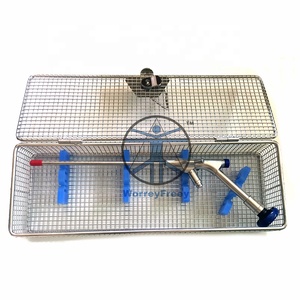
Orthopedic Instruments Autoclave Sterilization Tray, Sterilization Box for Spine Endoscope 6.3mm Transforaminal Endoscope
Get Catalog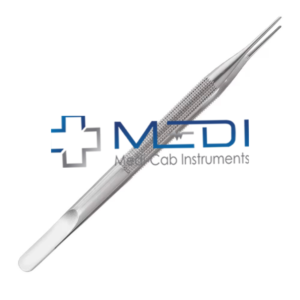
Custom Micro Surgical Forceps OEM Private Label Customized Size Color & Logo Precision Microsurgery Forceps Stainless Steel
Get Catalog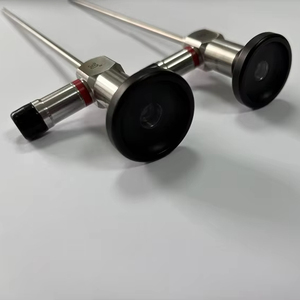
Wanhe HD Autoclavable 30 Degree Rigid Sinoscope Medical Nasal Ent Endoscope Camerae Sinuscope 2.7mm 4mm 3mm 0 30 70 Degree
Get Catalog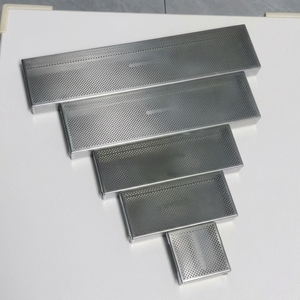
Lockable Stainless Steel Perforated Mesh Sterilization Tray Autoclavable Disinfection Cassette for Medical/Dental Instruments
Get Catalog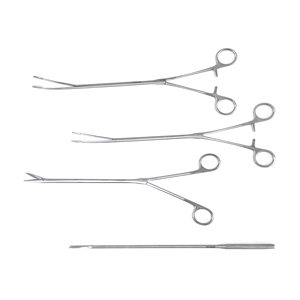
VATS Thoracoscopic Instruments Surgical Tissue Forceps Thoracoscopic Surgery/Needle Holder
Get Catalog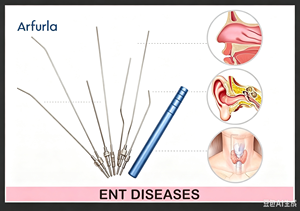
ENT Surgical Laser Handpiece Medical ENT Instrument Rigid Nasal Surgical Accessories
Get Catalog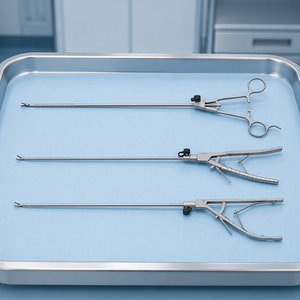
Hot Sale Autoclavable Gun Type Forceps 5mm Curved Jaw for Abdominal Minimally Invasive Surgery
Get Catalog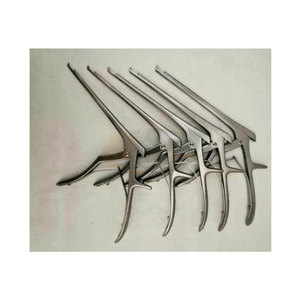
High Quality 23cm Manual Kerrison Rodent Set 5 Pcs Neurosurgery Instruments Spinal Surgery Stainless Steel Surgical Tools MOL
Get CatalogNavigating Electrosurgical Instrument Procurement in the United States Healthcare System
Electrosurgery represents one of the foundational pillars of modern operating room procedures across North America. From routine ambulatory polypectomies to complex spine neurosurgery, high-frequency (HF) electrical current (typically ranging from 300 kHz to 3 MHz) is transmitted via specialized electrosurgical instruments to cut tissue, achieve rapid haemostasis, and minimize intraoperative blood loss. For US hospital purchasing agents, Group Purchasing Organizations (GPOs), Integrated Delivery Networks (IDNs), and private label distributors, sourcing high-performance monopolar and bipolar electrosurgical instruments requires a rigorous alignment of metallurgical precision, regulatory compliance, and thermal risk mitigation.
As surgical techniques rapidly migrate toward Minimally Invasive Surgery (MIS), laparoscopic procedures, and robotic-assisted interventions, the demand for high-durability, autoclavable electrosurgical tools has surged. Factory direct sourcing from verified original equipment manufacturers (OEM) capable of delivering precision-machined stainless steel cores with high-dielectric PEEK (Polyether ether ketone) and PTFE (Polytetrafluoroethylene) insulation coatings has become a primary strategic advantage for US medical suppliers seeking cost containment without compromising patient safety.
Core Energy Delivery Modes in US Surgical Facilities
To evaluate electrosurgical factories effectively, clinical procurement officers must understand the mechanical and electrical tolerances demanded by two primary energy modes:
- Monopolar Electrosurgery: The electrical current flows from the Electrosurgical Generator Unit (ESU) pencil/instrument, through the target tissue, and returns to the generator via a patient return electrode pad. Monopolar tools—such as L-hook laparoscopic electrodes, electrosurgical shears, and desiccation probes—require flawless shaft insulation capable of withstanding peak spark voltages up to 10,000V to prevent accidental stray energy burns and capacitive coupling in abdominal cavities.
- Bipolar Electrosurgery: The active and return electrical pathways are integrated into the dual tips of the instrument (such as micro-bipolar forceps or vessel sealing clamps). Bipolar energy confines thermal energy strictly to the targeted tissue bundle, preventing collateral thermal necrosis. Bipolar forceps manufactured for US neurosurgical and spine procedures demand micro-fine tip alignment (down to 0.3mm tolerance), polished non-stick silver or titanium tip alloys, and precise hinge-joint insulation.
Localized US Application Scenarios & Clinical Disciplines
Engineered to Excel Across High-Volume US Surgical Departments and Ambulatory Facilities
Ambulatory Surgery Centers (ASCs)
In high-throughput US ASCs, rapid procedure turnaround times demand electrosurgical instruments with ultra-fast autoclave reprocessability. Our 5mm curved jaw monopolar forceps and bipolar sealers withstand 500+ steam sterilization cycles at 134°C without insulation degradation or mechanical ratchet looseness, lowering cost-per-case metrics.
Minimally Invasive Spine Surgery (MISS)
Performing 6.3mm transforaminal endoscopic discectomy demands specialized bipolar ablation probes and micro-forceps. Paired with lockable stainless steel sterilization cassettes, our spinal electrosurgical instruments provide exact tactile feedback, avoiding nerve root thermal damage in tight intervertebral spaces.
Neurosurgery & ENT Reconstruction
Intracranial and skull-base procedures rely heavily on fine-tip bipolar forceps and ENT laser handpieces. By utilizing high-thermal-conductivity silver-alloy cores and micro-machined box locks, our neurosurgical forceps eliminate tissue adhesion, reducing intraoperative bleeding during cerebral haemostasis.
Key Localized Trends Shaping US Electrosurgical Sourcing (2025–2030)
Procurement strategists within US healthcare facilities are reassessing vendor contracts based on four major macro and technological shifts transforming the surgical sector:
1. Mandated Smoke Evacuation Integration (OSHA & NIOSH Standards)
US state legislation (including California, Texas, New York, and Illinois) increasingly requires mandatory surgical smoke evacuation in ORs to protect healthcare staff from toxic bio-aerosols and carcinogenic pyrolytic byproducts. Next-generation electrosurgical pencils and laparoscopic monopolar shears now feature fully integrated, lightweight smoke evacuation channels compatible with hospital suction networks.
2. Transition from Disposable Single-Use to Hybrid Reusable Systems
To meet stringent hospital carbon-neutrality targets and mitigate supply chain bottlenecks, US hospital networks are replacing 100% disposable plastic electrosurgical instruments with high-lifecycle modular systems featuring autoclavable stainless steel handpieces and interchangeable disposable tip inserts.
3. Strict Adherence to ANSI/AAMI HF18 & IEC 60601-2-2 Testing
FDA clearance for electrosurgical accessories now requires rigorous proof of dielectric strength testing, high-frequency leakage current containment, and thermal spread mapping. Manufacturers must supply batch-level spark test certificates (up to 3.0 kV to 10.0 kV RMS depending on waveform modulation).
4. Robotic Electrosurgical Tool Private-Labeling
With robotic surgery expanding beyond tertiary medical centers into regional community hospitals, OEM demand for micro-articulating electrosurgical end-effectors, monopolar spatula tips, and bipolar wrist attachments has grown by over 14% annually in North America.
Electrosurgical Instrument Technical Specification & Materials Matrix
Use this reference table to evaluate metallurgy, dielectric coating limits, and sterilization compatibility when establishing tender specifications for US clinical supplies:
| Instrument Category | Core Metallurgy | Insulation Dielectric Rating | Autoclave Life Expectancy | US Regulatory & Safety Compliance |
|---|---|---|---|---|
| Laparoscopic Monopolar Shears / Hooks | Martensitic AISI 420 Stainless Steel (50-52 HRC) | Dual-Layer Polyolefin / PEEK (Up to 10kV Spark Rated) | 150–300 Cycles (134°C Steam) | FDA 510(k), ANSI/AAMI HF18, ISO 13485 |
| Micro-Bipolar Neurosurgical Forceps | Non-Stick Solid Silver Alloy or Grade 5 Titanium | Nylon/Epoxy Dielectric Barrier Joint | 500+ Cycles (Flash Autoclavable) | FDA Class II, IEC 60601-2-2, UDI Engraved |
| VATS Thoracoscopic Electrosurgical Graspers | AISI 316L & German 410 Stainless Steel | High-Density Heat-Shrink PTFE Shaft Cover | 200+ Cycles | FDA 510(k), CE Mark, ISO 9001 |
| Spinal Endoscopic RF Ablation Probes | Precision Conductive Copper-Beryllium Core | Medical-Grade Ceramic Tip Shield | Single-Use / Limited 50 Cycle Autoclavable | ISO 13485, UL 60601-1 Compliant |
| Sterilization Trays & Mesh Cassettes | Electropolished Perforated AISI 304 Stainless Steel | Silicone Cushion Inserts (Non-Conductive) | 1,000+ Cycles (Lifetime Warranty) | AAMI ST79 Autoclave Standard Compliant |
Manufacturing Excellence: Why Leading US Healthcare Brands Partner With Us
Combining the heritage of doctor-founded medical engineering with Sialkot’s world-renowned surgical instrument forging cluster, our factory facilities provide end-to-end OEM and ODM contract manufacturing tailored to US distributors.
German Stainless Steel Sourcing
We utilize certified imported German martensitic stainless steel (AISI 410, 420) to guarantee optimal hardness, corrosion resistance, and edge retention across all cutting shears and clamping jaws.
Cleanroom Assembly & Testing
Our ISO Class 7 cleanroom environment ensures zero particulate contamination during insulation application, final assembly, laser etching, and individual pouch packaging.
Full OEM & Private Labeling
From custom jaw geometry design to high-resolution fiber laser logo engraving and UDI barcode marking, we manufacture completely ready-to-market products under your brand.
Frequently Asked Questions for US Medical Procurement Officers
Direct Answers Regarding FDA Compliance, OEM Tooling, Sterilization, and Export Logistics
Are your electrosurgical instruments registered with the US FDA?
Yes. All reusable surgical tools, monopolar/bipolar forceps, and endoscopic accessories manufactured at our facility adhere strictly to FDA Quality System Regulations (21 CFR Part 820) and ISO 13485:2016. Device Master Files (DMF) and 510(k) documentation support are provided for OEM partners.
What high-potential insulation coatings are used to prevent stray burns?
We utilize advanced medical-grade PEEK polymer coating, heavy-wall polyolefin insulation, and specialized ceramic tips. Every insulated shaft undergoes 100% automated high-voltage spark testing (up to 10 kV) prior to shipment to ensure zero insulation pinholes.
Can we request custom jaw patterns and color-coded handle designs for OEM orders?
Absolutely. Our in-house tooling division can produce custom CAD/CAM dies based on your technical drawings or physical samples. We provide custom anodized color-coding, textured grips, and custom cable connectors compatible with ValleyLab, Erbe, and ConMed generators.
What warranty guarantees do you provide against manufacturing defects?
Every reusable instrument forged in our factory carries a written Lifetime Defect Warranty. Should any item demonstrate joint stiffness, jaw misalignment, or insulation breakdown under standard autoclave protocols, it is replaced free of charge.
How do you handle UDI (Unique Device Identification) laser marking for the US market?
All instruments shipped to North America can be laser-etched with GS1-compliant 2D DataMatrix barcodes, lot control numbers, and your brand logo, ensuring complete hospital inventory traceability.
What are the lead times and shipping logistics for bulk US hospital orders?
Standard product orders are dispatched within 15–25 working days via expedited air freight (DHL/FedEx) or sea freight for volume container shipments. Full customs documentation, Certificate of Conformance (CoC), and bill of lading are provided.
Partner with a World-Class Electrosurgical Instrument Manufacturer
Request our comprehensive 2025 product catalog, request sample evaluations for clinical trial approval, or discuss OEM contract pricing with our senior surgical product engineers.
Get Catalog