Featured Surgical & Orthopedic Instruments Serving Japan
Every device is subjected to 100% optical dimensioning, strict hardness testing (HRC 48-54), and ultra-smooth surface passivation (ASTM F1089) to guarantee longevity under rigorous hospital autoclave regimes.
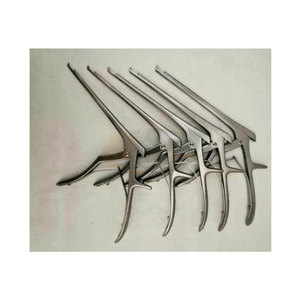
High Quality 23cm Manual Kerrison Punch / Punch Set (5 Pcs) Stainless Steel Spinal Tools
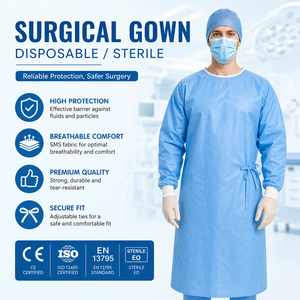
Premium AAMI Level 3 Sterile Surgical Gown 160 mmHg Fluid Resistance Individually Wrapped
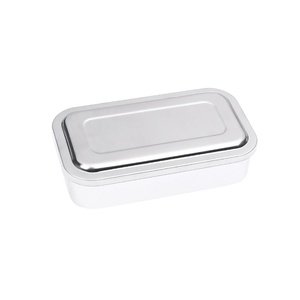
BR-SS88 SS201/304 High Quality Hospital Surgical Instrument Trays With Lids Sterilization Box
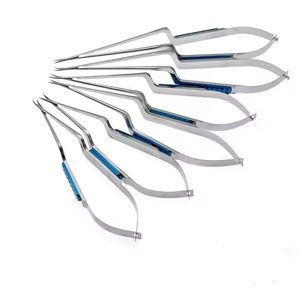
Professional Stainless Steel Manual Micro Scissors Ergonomic Grip CE Certified Class I
Custom Micro Surgical Forceps OEM Private Label Customized Size Color & Logo Precision Forceps
OEM Short Sleeve Top Jogger Pants Medical Surgical Uniform Breathable Hospital Nursing Scrubs
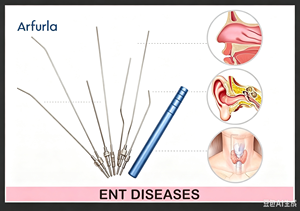
ENT Surgical Laser Handpiece Medical ENT Instrument Rigid Nasal Surgical Accessories
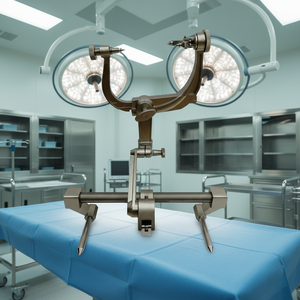
Promotion Manual Three-Point Aluminum Alloy Skull Clamp CE Certified for Neurosurgery & Spine
Navigating Japan's High-Precision Orthopedic Instrument Market: Regulatory & Technical Demands
Japan represents one of the most sophisticated and demanding medical device ecosystems globally. With over 29% of its population aged 65 or older, the demand for reconstructive joint surgery, spinal fusion, trauma care, and minimally invasive orthopedic procedures (MISS) has reached unprecedented levels. Japanese orthopedic surgeons and procurement committees across prefectures—from Kanto (Tokyo, Yokohama) to Kansai (Osaka, Kyoto)—require surgical instruments that satisfy stringent clinical requirements: exceptional tactile feedback, micro-tolerance alignment, corrosion immunity under automated washer-disinfectors, and complete compliance with the Pharmaceuticals and Medical Devices Act (PMDA / 医薬品医療機器総合機構) and Ministry of Health, Labour and Welfare (MHLW) regulatory framework.
Information Gain Insight: Unlike standard Western orthopedic procurement, Japanese hospital sterile processing departments (Central Sterile Supply Department - CSSD) routinely utilize heavy alkaline enzymatic automated wash cycles followed by high-temperature autoclaving at 134°C for extended hold times to eliminate prion and biofilm threats. Surgical steel must possess optimal molybdenum and chromium passivation ratios to prevent surface micro-pitting and stress corrosion cracking.
Key Localized Operational & Clinical Contexts in Japan
To successfully serve Japanese university hospitals, private orthopedic centers, and medical device distributors (Iyaku Shokuhin / Tokuyaku channels), instrument manufacturers must engineer tools around three critical localized parameters:
Japanese Ergonomic Tailoring
Japanese surgical hand measurements typically exhibit nuanced biomechanical scaling compared to Western anthropometrics. Instruments like bone holding forceps, retractor handles, and osteotomes feature reduced palm-span grips and modified weight distributions to decrease surgeon fatigue during 6+ hour complex joint reconstructions.
JIS Steel Metallurgical Standards
Surgical instruments exported to Japan must align with Japanese Industrial Standards (JIS T 0307). We utilize refined martensitic stainless steel grades (such as SUS420J2 for sharp cutting edges like bone chisels and Kerrison punches) and precipitation-hardened steel (SUS630 / 17-4 PH for high-load spinal retractors and trial handles).
Ultra-Low Reflection Satin & Matte Finish
Modern Japanese ORs feature high-intensity LED surgical lighting and 4K/3D endoscopic integration. Reflective glare impairs microscopic visibility. Our specialized bead-blasted satin and anti-reflective dark passivated coatings eliminate specular glare under surgical microscopes.
Technical Matrix: DR MIRZA vs. Standard Instruments
Compare how our precision manufacturing and quality control standards outmatch generic commercial surgical supplies for the Japanese market.
| Specification Parameter | DR MIRZA Surgical Grade (Japan Direct Export) | Standard Commercial Grade Instruments |
|---|---|---|
| Raw Material Origin & Grade | German AISI 410 / 420 & Japanese SUS420J2, SUS630 Stainless Steel | Uncertified generic scrap-recycled stainless steel alloys |
| Heat Treatment & Hardness | Vacuum heat treated with cryogenic stabilization (HRC 50-54) | Atmospheric furnace hardening; inconsistent hardness (HRC 40-45) |
| Corrosion Resistance Testing | Boil test (ASTM F1089) & 100-cycle autoclave steam validation | Basic visual inspection; prone to pitting after early sterilization |
| Dimensional Tolerance | Ultra-precision CNC machining within ±0.02 mm tolerance limits | Manual rough grinding with variances exceeding ±0.20 mm |
| Traceability & Marking | Laser etched UDI / GS1 compliant barcode, Lot & Material code | No individual lot traceability or non-compliant silk-screen printing |
| Quality Guarantee | 100% Lifetime Guarantee against manufacturing & material defects | Limited 30-to-90-day warranty with cumbersome return logistics |
Master Craftsmanship Meets ISO 13485 Clinical Rigor
Founded by Dr. Inam ul Haq Mirza, a practicing medical professional, DR MIRZA was born out of a first-hand understanding of surgical necessity. A surgeon’s hands are only as effective as the instruments they wield. Combining clinical insight with the century-old metal-forging heritage of Sialkot—the global capital of surgical instrument manufacturing—DR MIRZA provides an unparalleled direct-factory bridge for Japanese healthcare institutions and OEMs.
ISO 13485 & CE Compliance
Our complete manufacturing pipeline is audited and certified under ISO 9001 and ISO 13485 Quality Management Systems for Medical Devices, backed by complete technical documentation files required for Japanese PMDA registration.
OEM & Private Label Mastery
We partner directly with leading medical brands to manufacture custom orthopedic patterns, specialized trauma sets, and branded instrument lines featuring precise laser logo marking, custom color anodization, and sterile cleanroom packaging.
Direct Factory Pricing
Eliminate multi-tiered distributor markup. By engaging directly with our modern forging facility, Japanese medical buyers achieve 30% to 50% cost reductions without sacrificing material specifications or clinical tolerance integrity.
Frequently Asked Questions for Japanese Importers & Buyers
Clear answers regarding regulatory support, minimum order quantities, custom branding, and export logistics for Japanese medical device procurement teams.
How does DR MIRZA support Japanese PMDA (医薬品医療機器総合機構) regulatory filings?
We supply complete technical dossiers including Material Mill Test Certificates (ISO 10204 3.1), biocompatibility data (ISO 10993), passivation certificates, and dimensioned CAD blueprints required by Japanese Marketing Authorization Holders (MAH / 選任製造販売業者) for Class I and Class II medical device notifications.
What stainless steel grades are utilized for orthopedic cutting vs. holding instruments?
For sharp edge retention (such as bone chisels, osteotomes, and Kerrison rongeurs), we primarily utilize martensitic stainless steel equivalent to Japanese SUS420J2 (HRC 52-54). For high-tension structural items like bone holding forceps, retractor blades, and spinal distraction tools, we utilize high-tensile austenitic and precipitation-hardened steels such as SUS316L and SUS630 (17-4 PH).
Can we request prototype samples prior to issuing volume OEM procurement orders?
Yes. We encourage surgical evaluation and sample testing. We produce prototype samples based on technical drawings, 3D STEP files, or physical reference samples provided by your clinical team. Sample dispatch to Japan typically takes 7-10 business days via express air freight (DHL/FedEx).
What customized laser etching and UDI marking options are available?
We provide high-precision fiber laser marking for customer logos, part numbers, serial numbers, and 2D DataMatrix / GS1-128 Unique Device Identification (UDI) barcodes compliant with global standard tracking mandates used across Japanese hospital inventory management systems.
What are the lead times and shipping routes for sea and air freight to major Japanese ports?
Air freight delivery to Narita (NRT), Haneda (HND), or Kansai (KIX) international airports takes approximately 4-7 days from dispatch. Containerized ocean freight to Tokyo, Yokohama, Kobe, or Osaka ports requires 20-25 days. Standard manufacturing lead time for production orders ranges from 3 to 5 weeks depending on order complexity.
How does the 100% Lifetime Guarantee function for international customers?
Every reusable instrument manufactured by DR MIRZA is covered by a lifetime warranty against material flaws and manufacturing defects. If an instrument fails during normal clinical use due to metallurgical or crafting defects, we provide immediate free replacement with expedited shipping.
Request a Direct Factory Quote for Japan Market Supply
Connect directly with our senior medical device engineering team. Receive customized OEM pricing, detailed technical specifications, and sample evaluation packages within 24 hours.